
D.O RFID TAG company is a RFID card manufacturers & factory, professional RFID card manufacturers , NFC tags suppliers and RFID Wristband company in shenzhen china for 15 years — Source Quality Products and Enjoy Efficient Service.
When it comes to animal identification and tracking, microchip tags have become an increasingly popular choice. These tags are typically inserted under the animal's skin and can be read using an RFID (Radio Frequency Identification) scanner. While the technology behind these tags is complex, one of the most important factors to consider is the thickness of the tag.
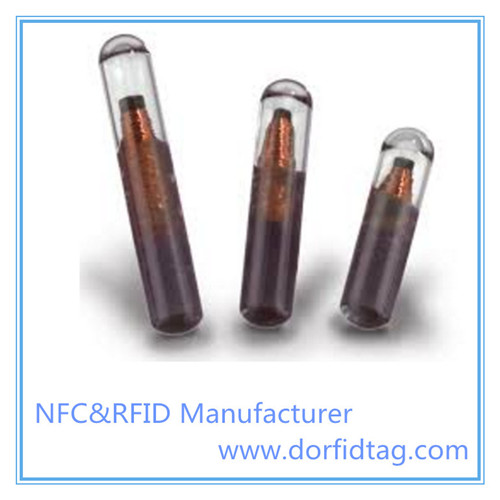
The thickness of an animal microchip tag is typically around 0.0001mm, which may seem incredibly thin. However, this thickness is essential for several reasons. Firstly, a thinner tag reduces the risk of discomfort or injury to the animal during insertion. A thicker tag may cause more discomfort, and may even increase the risk of infection or other complications.
Secondly, a thinner tag is easier to insert and read, which can save time and reduce the risk of errors during the tagging process. A thicker tag may be more difficult to insert, and may require more pressure or force, which can increase the risk of damaging the tag or the animal.
Finally, a thinner tag can also be more durable and long-lasting. A thicker tag may be more prone to wear and tear, or may be more easily damaged by environmental factors such as moisture or temperature changes.
Overall, while the thickness of an animal microchip tag may seem insignificant, it is actually an essential factor to consider when choosing the right tag for your animal identification needs. A thinner tag can help ensure the comfort and safety of the animal, as well as the accuracy and reliability of the identification and tracking system.
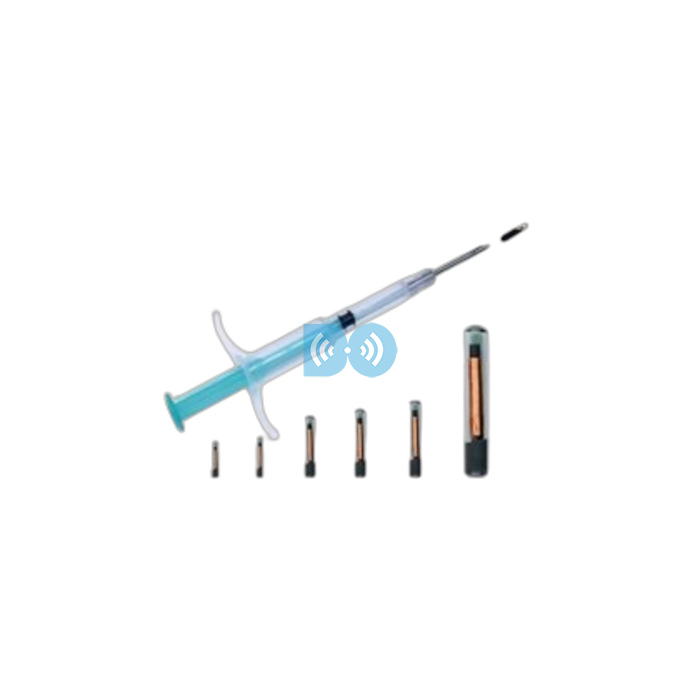
Avian Monitoring RFID Microchip for Bird Tracking
More >>
Herpetology Research PIT Tag for Reptiles and Amphibians
More >>
Laboratory Rodent Identification RFID Microchip
More >>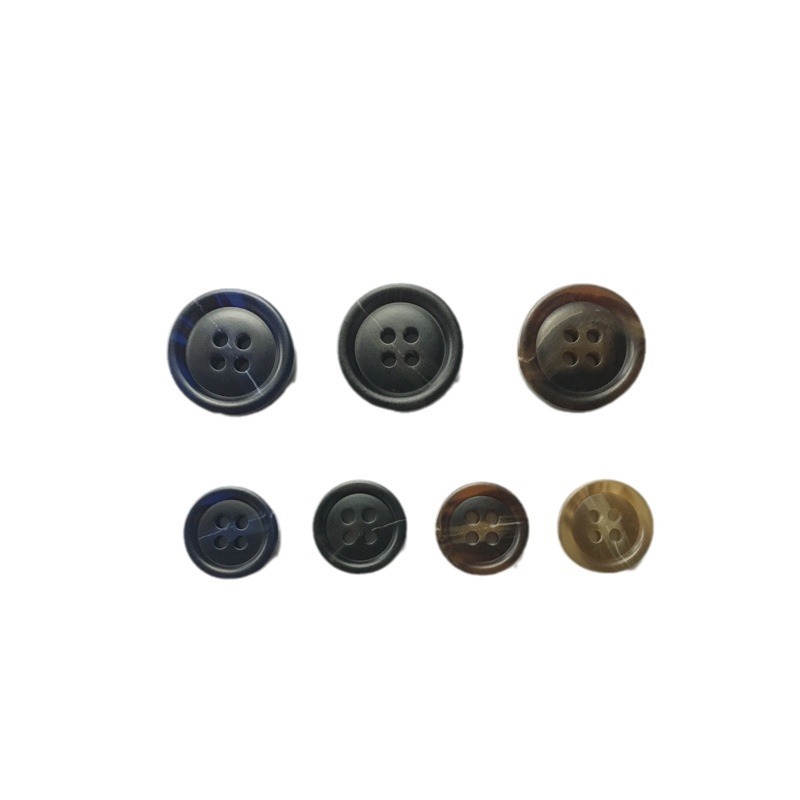
Durable NFC Button Tag with NTAG213 215 216. Ideal for access control, checkpoints, maintenance tracking, and authentication systems.
More >>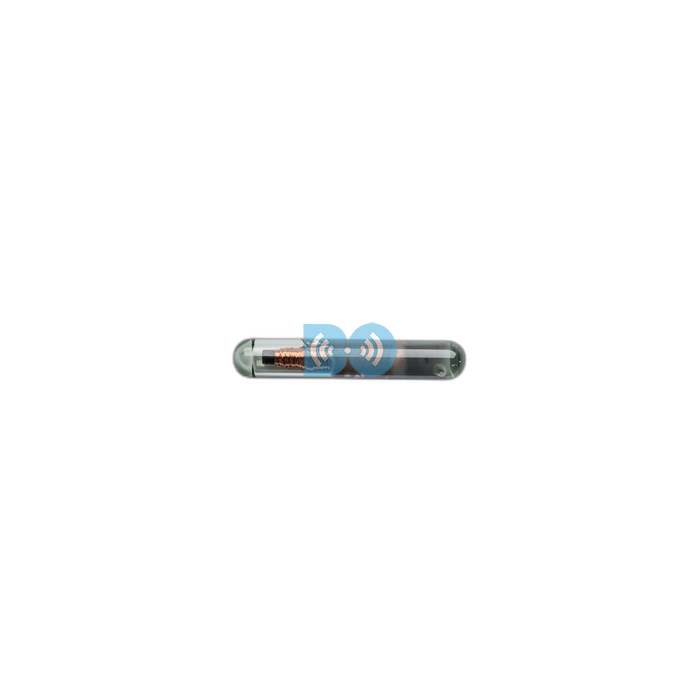
379.png)