D.O RFID TAG company is a RFID card manufacturers & factory, professional RFID card manufacturers , NFC tags suppliers and RFID Wristband company in shenzhen china for 15 years — Source Quality Products and Enjoy Efficient Service.
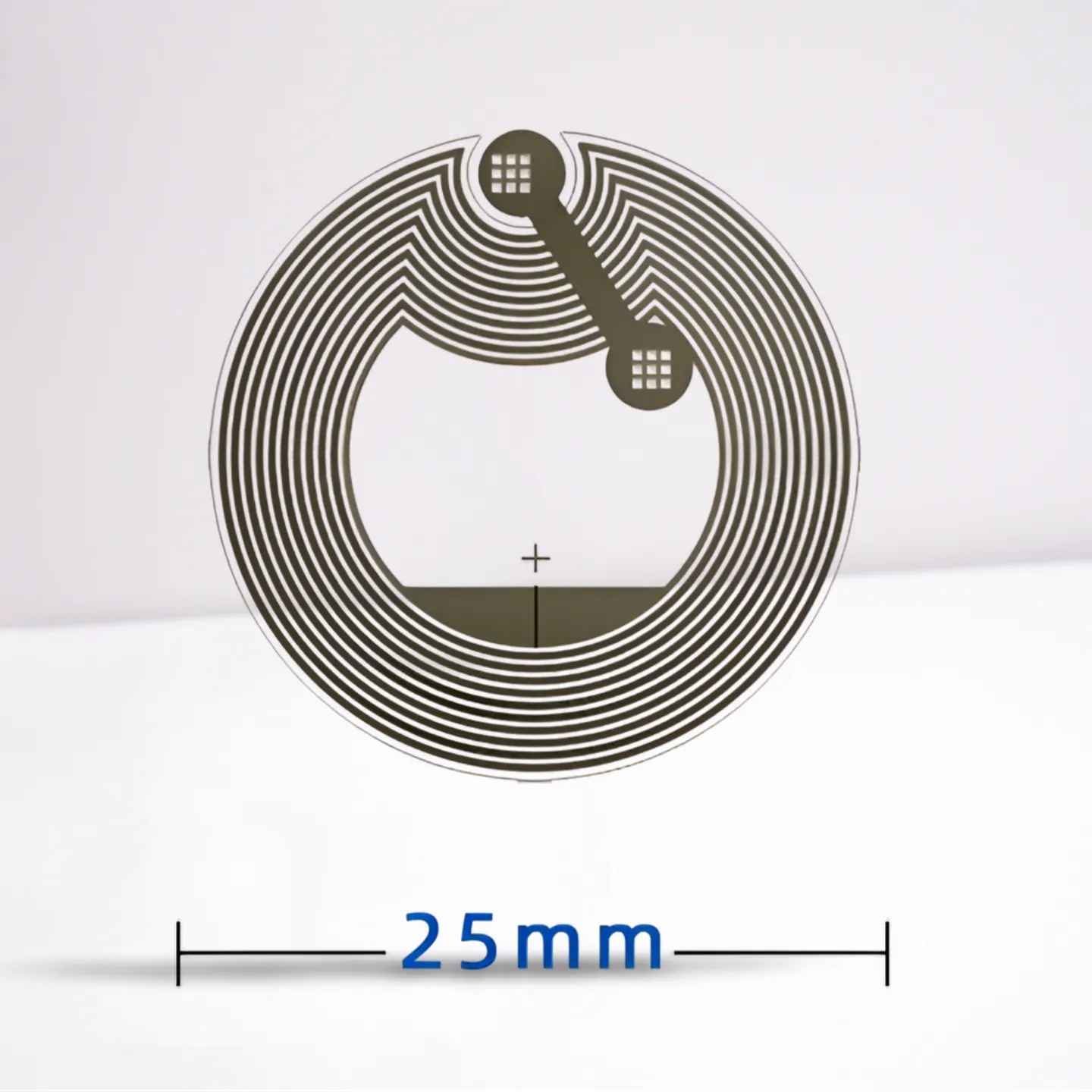
Near Field Communication (NFC) is a short-range wireless communication standard similar to BLE or Wi-Fi, but works over short range typically 10cm or less. NFC is a radio frequency (RF) signal initiated by an active NFC device such as a smartphone or reader, and another active or passive device such as an NFC tag to transfer data. All NFC tags consist of an antenna coil and a small chip that is bonded to the antenna. When a mobile phone is within range of an NFC tag, its antenna becomes energized and powers the chip, which stores data. This antenna plus chip combo can be embedded inside a variety of form factors: circular/square NFC stickers, NFC business cards, NFC access control cards, NFC keychains, NFC bank cards and NFC even e-passports. Typically, the larger the antenna the longer the read range. The chip memory size ranges from 144 bytes, large enough to store a URL, to 36 kilobytes to store a person’s photo on an e-passport.
Our NFC Tags are compatible with ALL NFC devices including the Nexus 4, Galaxy S4 & S5, & Nexus 10, LG G3, Motorola Moto X and Droid Turbo, HTC One, Sony, Samsung Note 3 4 5 & 6, Galaxy S6 & S7, and ALL other NFC phones.
Anti-Metal NFC Tags have a special backing allowing them to work even on metal surfaces.
Tags are lockable by some 3rd Party Apps, but once locked can NEVER be re-written.
NTAG203 Tags have about 137 bytes of usable memory.
Topaz 512 Tags have about 450 bytes of usable memory.
NTAG213 Tags are a newer version of NTAG203. Both tags work great, but NTAG213 might have a slight edge on response.
NTAG216 Tags are a newer high capacity tag that has about 850 bytes of usable memory.
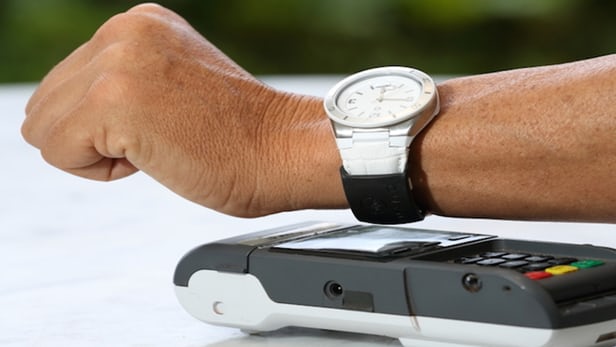
Near Field Communication (NFC) is a short - range wireless communication standard. Similar to Bluetooth Low Energy (BLE) and Wi - Fi, yet distinct in its operation range, NFC typically functions within a mere 10cm or less. It operates via radio frequency (RF) signals. An active NFC device, like a smartphone or a reader, initiates the signal. This signal then interacts with another active or passive device, such as an NFC tag, facilitating seamless data transfer.
All NFC tags are composed of two key components: an antenna coil and a small chip attached to the antenna. When a mobile phone enters the range of an NFC tag, the tag's antenna is energized, powering up the chip that stores data. This combination of antenna and chip can be integrated into various forms. For instance, circular or square NFC stickers, NFC business cards that enable quick contact sharing, NFC access control cards for secure entry, NFC keychains for convenient access, NFC bank cards for contactless payments, and even e - passports for enhanced security and data storage. Generally, the larger the antenna, the longer the read range. The chip's memory size varies widely, from as little as 144 bytes, sufficient to store a URL, to a more substantial 36 kilobytes, which can store a person's photo in an e - passport.
Our NFC Tags are designed to be universally compatible. They work seamlessly with a vast array of NFC - enabled devices. This includes popular models like the Nexus 4, Galaxy S4 & S5, Nexus 10, LG G3, Motorola Moto X, Droid Turbo, HTC One, Sony devices, Samsung Note 3, 4, 5 & 6, Galaxy S6 & S7, and essentially all other NFC - equipped phones.
For situations where NFC tags need to be used on metal surfaces, our Anti - Metal NFC Tags come to the rescue. They feature a special backing that allows them to function optimally even in such challenging environments.
The applications of NFC tags are incredibly diverse:
Programming NFC tags is a breeze. You can use your phone and one of the many NFC apps available on Google Play. Most of these apps are free, allowing you to customize your NFC tags according to your needs. Whether you want to set up quick actions, share information, or automate tasks, these apps provide the flexibility to do so.
If you're using devices like the Nexus 4 & 10, Galaxy S4, Moto X, or other phones/tablets that don't have NXP hardware, don't worry. Any NFC tag that adheres to the NFC Forum's protocol will be compatible. The NTAG203 is a popular choice among them, with its 137 - byte usable memory. Topaz 512 Tags, although a bit pricier, offer more memory, which is great for storing more complex information. Additionally, newer NTAG models like NTAG213, NTAG215, and NTAG216 are also universally compatible, available in different memory sizes. However, they may be a bit more expensive and less readily available at the moment. D.O RFID tag manufacturer offers a wide range of NFC tags that are compatible with all NFC devices, ensuring you have plenty of options to choose from.
To increase the chances of this page being indexed by Google:
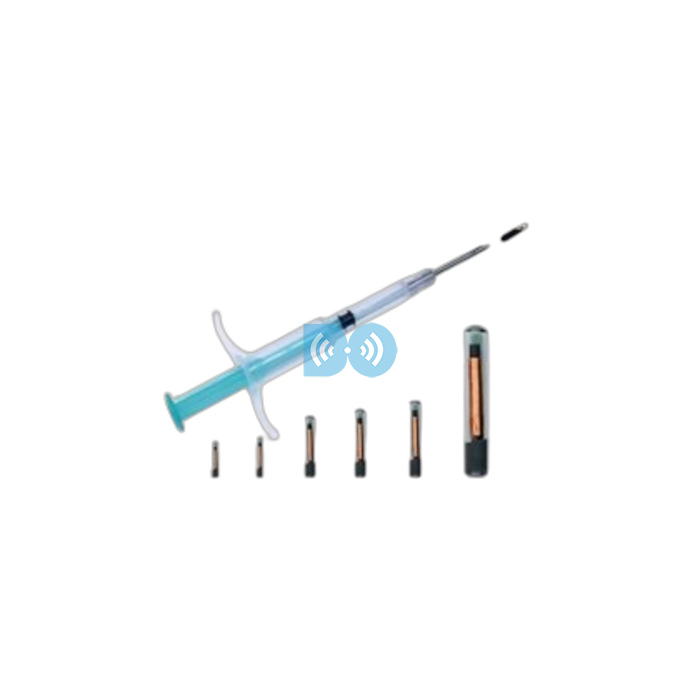
Avian Monitoring RFID Microchip for Bird Tracking
More >>
Herpetology Research PIT Tag for Reptiles and Amphibians
More >>
Laboratory Rodent Identification RFID Microchip
More >>
Durable NFC Button Tag with NTAG213 215 216. Ideal for access control, checkpoints, maintenance tracking, and authentication systems.
More >>
379.png)