D.O RFID TAG company is a RFID card manufacturers & factory, professional RFID card manufacturers , NFC tags suppliers and RFID Wristband company in shenzhen china for 15 years — Source Quality Products and Enjoy Efficient Service.
For teams handling high-volume PIT tagging—whether for fish stocking programs, pet adoption centers, or wildlife conservation—disposable PIT tag syringe kits eliminate the risks of cross-contamination, reduce prep time, and ensure consistent implantation. This guide breaks down why disposable kits outperform reusable tools, what to look for in a quality kit, and where to source factory-direct options that balance safety, affordability, and functionality.
Reusable PIT tag injectors require time-consuming cleaning, sterilization, and maintenance—and even with proper care, they pose hidden risks. Disposable PIT tag syringe kits solve these pain points with three key advantages:
Zero Cross-Contamination: Each kit comes pre-sterilized (via ethylene oxide or gamma radiation) and sealed, eliminating the spread of bacteria, viruses, or parasites between animals. This is critical for vulnerable populations like juvenile fish or rescue pets.
No Prep Time: Reusable injectors need disassembly, autoclaving, and reassembly—disposable kits are ready to use out of the box, cutting tagging time by 30%+ for large projects (e.g., tagging 1,000+ fish in a single day).
Consistent Implantation: Factory-calibrated syringes ensure the PIT tag is placed at the optimal depth and angle, reducing tag migration (a common issue with manually adjusted reusable tools) and improving long-term readability.
Not all disposable PIT tag syringe kits meet the standards for safe, effective tagging. Focus on these five non-negotiable features to avoid subpar products:
The best kits include a pre-loaded PIT tag (compatible with 134.2KHz ISO 11785 standards) that’s already secured in the syringe. This eliminates the need to handle the tag manually, reducing the risk of damage or contamination.
Example: RFID Tag Maker’s Pre-loaded Sterile FDX PIT Tag (1.25×7mm) comes as a complete disposable kit—syringe, tag, and sterile packaging—ideal for small animals like juvenile fish, mice, or kittens. The tag is pre-aligned for smooth injection, minimizing tissue trauma.
Syringes should be made from biocompatible plastic (e.g., polypropylene) that’s rigid enough for precise injection but flexible enough to avoid breaking in the field. Look for kits labeled “latex-free” to prevent allergic reactions in animals or handlers.
Dorfid’s disposable kits (paired with their HDX 7×125mm PIT Tag for medium-sized wildlife) use medical-grade syringes with a textured grip, ensuring control even in wet or gloved hands—critical for outdoor tagging projects.
To avoid over- or under-implanting the tag (which can lead to migration or failure), the syringe should have clear depth markers (e.g., 5mm, 10mm, 15mm). This is especially important for mixed-species projects (e.g., tagging both 10cm and 20cm fish).
Each kit should be sealed in a tamper-evident bag with a sterilization indicator (a color-changing label that confirms the kit is sterile). If the seal is broken or the indicator hasn’t changed, the kit should not be used.
Ensure the kit fits the PIT tag size you need—common options include 1.25×7mm (small animals), 1.4×8mm (juvenile fish), and 2×12mm (adult fish or small mammals). Most factories offer kits in multiple sizes; for example, Dorfid’s PIT Tag Injectors page lists disposable options for their full range of tag sizes.
Disposable kits shine in scenarios where speed, safety, and consistency are critical. Here are the most common applications:
For hatcheries releasing thousands of juvenile fish (e.g., salmon, trout), disposable PIT tag syringe kits let teams tag quickly without stopping to sterilize tools. RFID Tag Maker’s kits are popular here—their small 1.25×7mm tags fit in narrow syringes, ideal for fish as small as 8cm.
When tagging endangered species (e.g., red pandas, sea turtles), cross-contamination risks are too high for reusable tools. Dorfid’s disposable kits, paired with their High-Frequency PIT Tags for Wildlife Research, are used in global conservation projects to protect vulnerable populations.
Shelters processing dozens of adoptable pets daily rely on disposable kits to tag cats, dogs, and small mammals safely. The pre-sterilized design ensures no spread of diseases like parvovirus, and the quick setup reduces stress for both animals and staff.
To get the best value and quality, source disposable PIT tag syringe kits directly from manufacturers like:
Specializes in small-animal and aquaculture kits, with pre-loaded sterile tags and bulk pricing (save 20% on orders of 500+ kits). Their PIT Tags Page lets you filter kits by tag size and species, making it easy to find the right fit for your project.
Focuses on wildlife and large-fish kits, with durable syringes and compatibility with HDX tags (ideal for long-range tracking). Their Dorfid PIT Tag Page includes custom kit options—e.g., adding extra sterile wipes or gloves for field teams.
When ordering, ask factories about:
Sterilization certificates: Confirm kits meet medical standards (e.g., ISO 11135 for ethylene oxide sterilization).
Expiration dates: Disposable kits typically have a 2–3 year shelf life—order only what you need to avoid waste.
Bulk shipping: Factories often offer discounted shipping for large orders (e.g., 1,000+ kits), which is key for budget-conscious projects.
Store in a cool, dry place: Avoid extreme temperatures, which can damage the syringe or compromise sterility.
Train teams on proper use: Even with pre-loaded tags, handlers should practice injecting into a dummy (e.g., foam block) to master depth control.
Dispose of safely: After use, place kits in biohazard bins—never reuse or throw in regular trash.
By choosing disposable PIT tag syringe kits from trusted factories like RFID Tag Maker and Dorfid, you’ll streamline your tagging process, protect animal health, and ensure reliable data for years to come—whether you’re managing a fish hatchery or saving endangered wildlife.
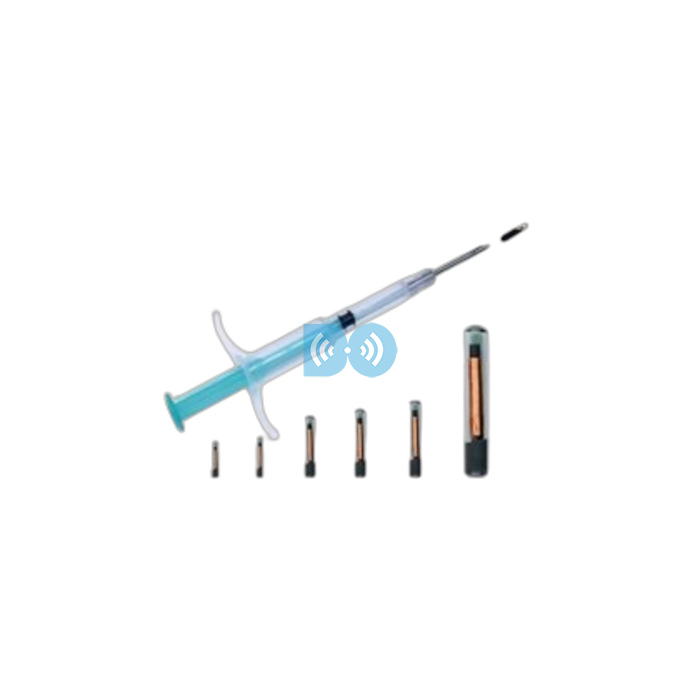
Avian Monitoring RFID Microchip for Bird Tracking
More >>
Herpetology Research PIT Tag for Reptiles and Amphibians
More >>
Laboratory Rodent Identification RFID Microchip
More >>
Durable NFC Button Tag with NTAG213 215 216. Ideal for access control, checkpoints, maintenance tracking, and authentication systems.
More >>
379.png)