D.O RFID TAG company is a RFID card manufacturers & factory, professional RFID card manufacturers , NFC tags suppliers and RFID Wristband company in shenzhen china for 15 years — Source Quality Products and Enjoy Efficient Service.
NFC Button Tag chip, NFC Button Tag NTAG213, NFC Button Tag NTAG215, NFC Button Tag NTAG216, 13.56 MHz NFC Button, ISO 14443 NFC tag, NFC button technology, NFC button manufacturer, NFC button tag factory, NFC button tag customization
This guide explains how to select the right NFC Button Tag technology, based on real project requirements.
Choosing an NFC Button Tag is not only about size or appearance.
For system integrators, solution providers, and OEM buyers, chip type, NFC protocol, memory size, and frequency compatibility directly affect system stability, mobile compatibility, and long-term scalability.
This guide explains how to select the right NFC Button Tag technology, based on real project requirements.
All NFC Button Tags operate at 13.56 MHz, compliant with ISO/IEC 14443 standards.
ISO/IEC 14443 Type A
NFC Forum Type 2 / Type 5
Fully compatible with:
Android NFC phones
iOS (iPhone XS and later)
NFC-enabled tablets & handheld readers
This ensures seamless interaction with smartphones, access readers, kiosks, and embedded systems.
Selecting the correct NFC chip is critical. Below are the most commonly used production-grade NFC chips inside NFC Button Tags.
Memory: 144 bytes user memory
Best for:
Simple ID
URL redirection
Check-in systems
Advantages:
Low cost
High compatibility
Typical projects:
Event buttons
Basic access trigger points
Memory: 504 bytes user memory
Best for:
Encrypted IDs
App interaction
Advantages:
More data capacity
Stable mobile performance
Typical projects:
Interactive systems
Mobile-based authentication
Memory: 888 bytes user memory
Best for:
Data-rich NFC applications
Multi-record NDEF storage
Advantages:
Maximum flexibility
Strong future scalability
Typical projects:
Industrial traceability
Maintenance logging systems
Standard: ISO/IEC 15693
Read distance: Longer than classic NFC
Best for:
Industrial identification
Asset tracking
Note:
Not smartphone NFC-friendly by default
When selecting an NFC Button Tag, consider what data will be stored:
UID only
URL / Web trigger
Encrypted ID
App command
Maintenance records
For most B2B and industrial projects, NTAG215 or NTAG216 is recommended due to:
Better data flexibility
Stronger long-term compatibility
NFC Button Tags are typically encapsulated in:
ABS
PPS
Epoxy resin
Key technical factors:
RF transparency of material
Resistance to water, oil, chemicals
Mechanical durability
At dorfidtag, antenna tuning is optimized for:
Stable read performance
Consistent mobile interaction
Long lifecycle environments
| Application | Recommended Chip |
|---|---|
| Access control | NTAG213 / NTAG215 |
| Equipment maintenance | NTAG216 |
| Smart checkpoints | NTAG215 |
| Industrial identification | NTAG216 / SLIX2 |
| Mobile NFC interaction | NTAG213–216 |
Unlike trading companies, dorfidtag is a direct RFID & NFC manufacturer.
We provide:
Chip-level customization
UID control (if supported)
Pre-encoding & locking
Protocol verification before shipment
Engineering support during system integration
This reduces:
Project risk
Compatibility issues
Deployment failure
The most common chips are NTAG213, NTAG215, and NTAG216, operating at 13.56 MHz and compliant with ISO/IEC 14443.
NTAG213–NTAG216 NFC Button Tags are fully compatible with Android and iOS devices.
Choose based on memory requirement, data structure, security needs, and application environment. NTAG215 and NTAG216 offer better flexibility for B2B projects.
Yes. dorfidtag provides chip selection, encoding, material customization, and antenna optimization at the factory level.
A well-chosen NFC Button Tag ensures:
Stable system performance
Long-term compatibility
Lower maintenance cost
Understanding chip type, protocol, memory, and material is essential for successful deployment.
Avian Monitoring RFID Microchip for Bird Tracking
More >>
Herpetology Research PIT Tag for Reptiles and Amphibians
More >>
Laboratory Rodent Identification RFID Microchip
More >>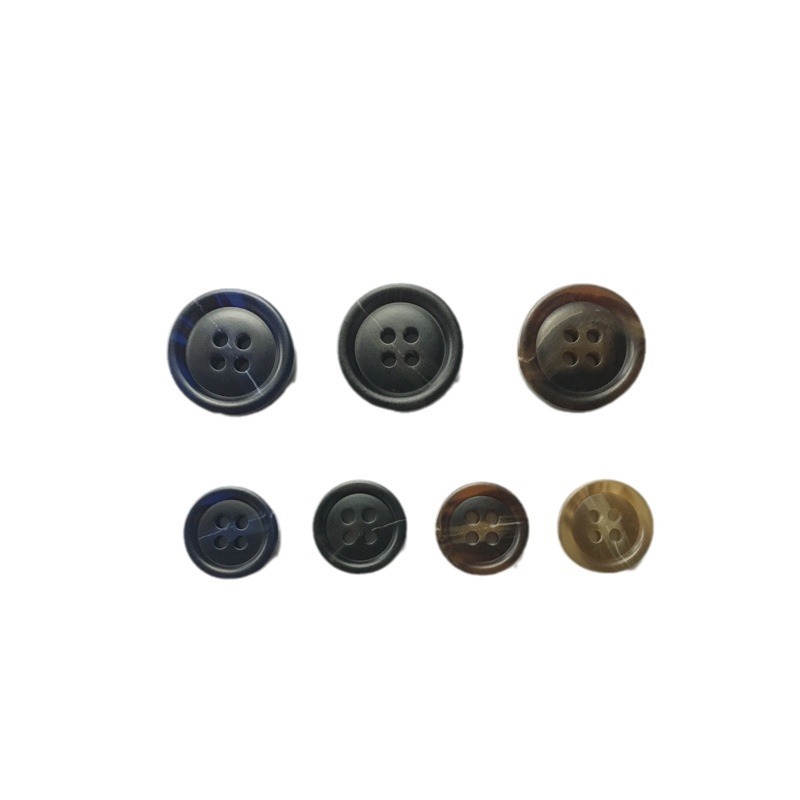
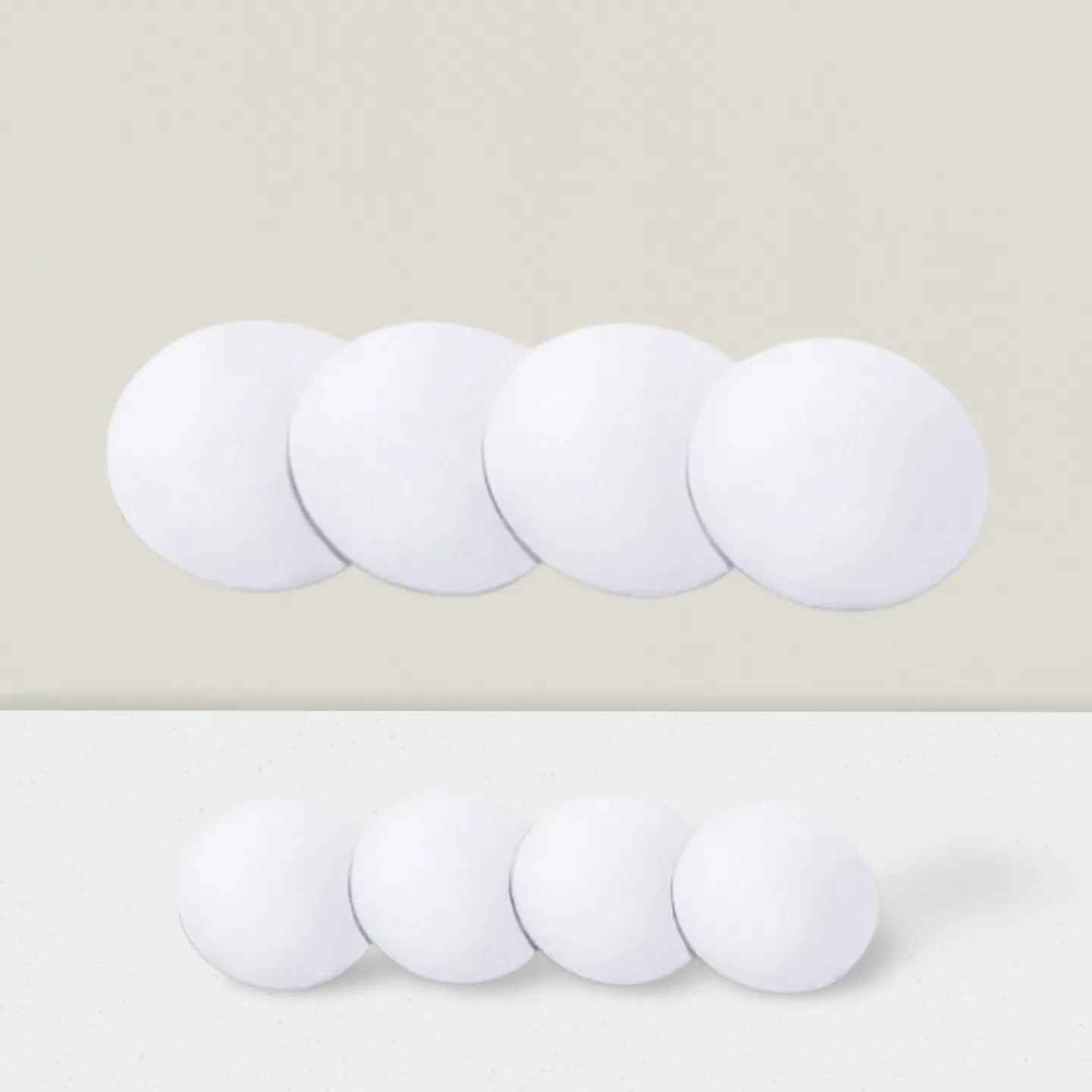
Durable NFC Button Tag with NTAG213 215 216. Ideal for access control, checkpoints, maintenance tracking, and authentication systems.
More >>
379.png)