
D.O RFID TAG company is a RFID card manufacturers & factory, professional RFID card manufacturers , NFC tags suppliers and RFID Wristband company in shenzhen china for 15 years — Source Quality Products and Enjoy Efficient Service.
This guide explains the differences, advantages, and best-use scenarios for fish microchips, salmon PIT tags, and trout PIT tags—helping hatcheries, research institutions, and fisheries managers choose the correct solution.
Guide for Fish Tracking, Salmon Research, and Aquaculture RFID Identification
Aquaculture, fisheries research, and river monitoring projects all rely on digital identification for fish. However, many new users are unsure whether standard pet microchips are suitable for fish, or whether PIT tags are required.
This guide explains the differences, advantages, and best-use scenarios for fish microchips, salmon PIT tags, and trout PIT tags—helping hatcheries, research institutions, and fisheries managers choose the correct solution.
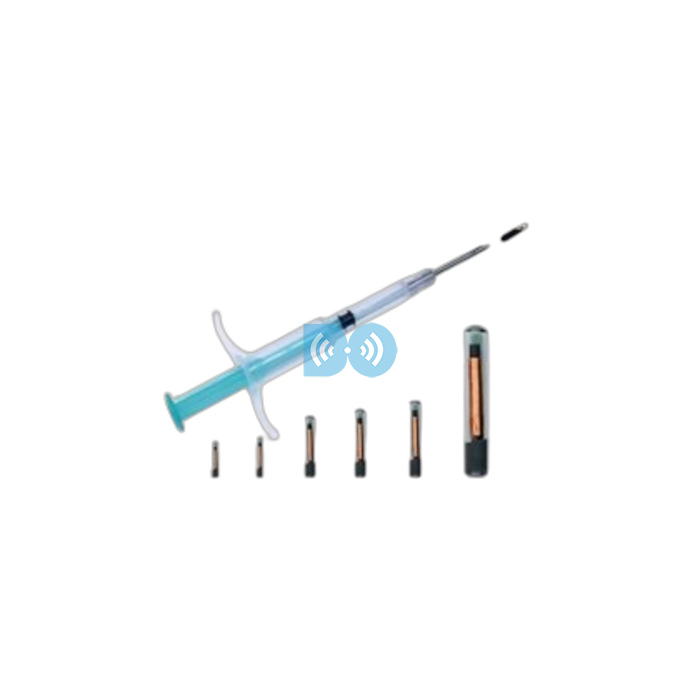
A fish microchip is a subcutaneous RFID ID tag implanted in fish for tracking, population monitoring, and scientific research.
These microchips use 134.2 kHz low-frequency technology, the same general frequency used for pet microchips, but the design is optimized for aquatic environments.
Fish microchips are typically:
Very small (1.25 × 7 mm or 2 × 8 mm)
Lightweight to avoid buoyancy issues
Made using bioglass safe for long-term implantation
Encoded with ISO 11784/11785 standards
Although structurally similar to a pet microchip, fish microchips must meet stricter survival and compatibility requirements.
A PIT tag (Passive Integrated Transponder) is a specialized microchip widely used in fisheries and wildlife research.
While PIT tags are also passive RFID devices, they are engineered for:
River monitoring stations
Migration tracking
Long-distance antenna detection
Harsh environmental conditions
Long-term population studies
PIT tags are standard in salmon hatcheries, trout research programs, and fish passage monitoring across North America and Europe.
Although both use 134.2 kHz RFID, they are not interchangeable.
Here is the technical comparison:
Pet Microchip: Short range, handheld scanners only
PIT Tag: Longer range, compatible with underwater antennas and fixed monitoring systems
Pet Microchip: Designed for animals on land
PIT Tag: Designed for underwater, river, and migration pipelines
Pet Microchip: General bioglass shell
PIT Tag: Often thicker, stronger bioglass ideal for fish passage systems
Pet Microchip: Suitable for veterinary databases
PIT Tag: Connects to fisheries management software and government tagging programs
PIT tags are recommended when you need:
Fish migration monitoring
Hatchery release tracking
Fish ladder passage counting
Salmon and trout movement studies
Long-term research programs
Remote antenna detection
Salmon PIT tags and trout PIT tags are specifically optimized for high survival rate, low rejection rate, and long read distance.
Typical sizes:
12 mm PIT tag
8 mm PIT tag (for smaller species)
Standard fish microchips are suitable for:
Small aquaculture farms
Fish inventory management
Breeding programs
Basic fish ID
Laboratory research with handheld readers
If your project does not require long-range antenna detection, a standard fish microchip is more cost-effective.
Salmon require robust PIT tags because:
They migrate long distances
They pass through dams and fish ladders
They need to be detected by underwater antennas
Salmon PIT tags focus on:
Extremely high survival rate
Reliable reading during movement
Compatibility with river monitoring systems
Very low tag failure rate
These projects often use ISO 11784/11785 FDX-B PIT tags.
Trout are smaller and require:
Lighter, shorter PIT tags
Slimmer diameter for safe implantation
Specific injection tools
Common sizes for trout PIT tagging:
8 × 1.4 mm
9 × 1.4 mm
These provide excellent detection while minimizing implantation stress.
You need long-range detection
You run a salmon or trout hatchery
You work with dams, fish ladders, or river monitoring
You require automated passage counting
Government tagging programs require PIT systems
You only require handheld scanning
You are managing fish stock in ponds or tanks
You need cost-effective ID for large quantities
Your project does not involve migration tracking
General implantation steps:
Anesthetize the fish safely
Disinfect the implantation site (usually near the ventral cavity)
Insert microchip or PIT tag using a sterile injector
Verify ID with a handheld scanner
Record the ID in the database or hatchery system
Proper technique ensures high survival and low tag loss.
Fish microchip or PIT tag
Injector with sterile needle
ISO 11784/11785 pet/animal microchip scanner
PIT tag antenna system (for large projects)
Tag management software
Fish microchip
PIT tag antenna (
Hatchery management
Fish microchips and PIT tags serve different purposes in aquaculture and fisheries research.
For simple fish identification, breeding management, or hatchery stock control, standard fish microchips are ideal.
For river monitoring, migration tracking, salmon research, trout research, and large-scale government programs, PIT tags are essential.
By selecting the correct tag type, hatcheries and research facilities can achieve more accurate data, higher survival rates, and long-term reliability.
Avian Monitoring RFID Microchip for Bird Tracking
More >>
Herpetology Research PIT Tag for Reptiles and Amphibians
More >>
Laboratory Rodent Identification RFID Microchip
More >>
Durable NFC Button Tag with NTAG213 215 216. Ideal for access control, checkpoints, maintenance tracking, and authentication systems.
More >>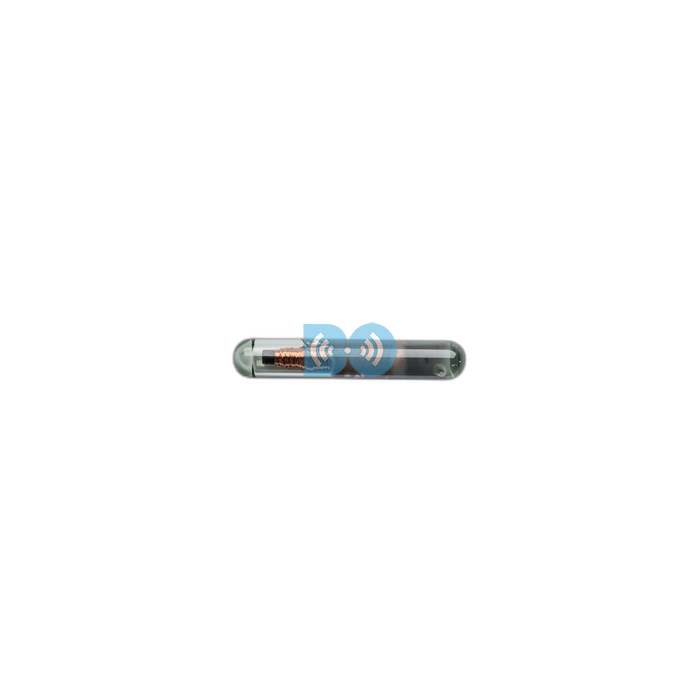
379.png)