D.O RFID TAG company is a RFID card manufacturers & factory, professional RFID card manufacturers , NFC tags suppliers and RFID Wristband company in shenzhen china for 15 years — Source Quality Products and Enjoy Efficient Service.
For dogs, cats, cattle, horses, pigs, and other farm animals, RFID microchips are the most reliable identification method used today.
An RFID animal microchip is a small bioglass-encapsulated implant that contains a unique ID number.
When scanned by an animal microchip reader, it identifies the animal instantly.
RFID microchips are widely used across pets, livestock, wildlife, and aquaculture because they are:
Permanent (20+ years)
Tamper-proof
Impossible to duplicate
Globally recognized
Safe and biocompatible
For dogs, cats, cattle, horses, pigs, and other farm animals, RFID microchips are the most reliable identification method used today.
RFID animal microchips use passive low-frequency (LF) 134.2 kHz technology.
They do not contain a battery; instead, they are energized by the scanner’s electromagnetic field.
Workflow:
Scanner emits 134.2 kHz LF signal
Microchip harvests energy
Microchip sends back its unique ID
Scanner displays the number
This simple but stable mechanism provides long-term, maintenance-free identification.
Different animals require different sizes or coating types:
Common size: 1.25 × 8 mm or 2 × 12 mm
Anti-migration coating optional
Works with universal pet microchip readers
Used for pet registration, travel, and lost pet recovery
For cattle, pigs, goats, horses, camels, etc.
Features:
Larger size for deeper implantation
High read range
Strong anti-migration layer
Often paired with ear tags or animal management systems
Typical sizes: 2 × 12 mm, 3 × 15 mm, 3 × 13 mm.
Used for birds, reptiles, fish, and laboratory animals.
Often require very small diameter (1.25 mm) for safety.
Most global markets use FDX-B RFID microchips, fully compliant with ISO 11784/11785.
Key benefits:
Universal compatibility
High readability through tissue and moisture
Stable identification even in harsh farm environments
Accepted for international pet travel
FDX-B is also the standard for livestock traceability in many countries and government programs.
Permanent ID for lost pet recovery
Proof of ownership
International travel requirements (EU, UK, AUS, etc.)
Veterinary records and vaccination tracking
Livestock microchips play a major role in:
Animal traceability
Disease control programs
Breeding management
Milk production monitoring
Meat safety compliance
Large-scale farm digitalization
Microchips are often connected with animal management software, databases, and ear tag systems.
Used for:
Registration
Racing industry identification
Ownership protection
Medical history tracking
In modern farms, RFID microchips help to:
Track weight gain
Manage feeding systems
Identify animals automatically
Connect data with sensors & smart farming devices
Visual ear tags can fall off, be damaged, or be replaced.
RFID microchips remain inside the animal and cannot be altered.
Comparison:
| Feature | RFID Animal Microchip | Visual Ear Tag |
|---|---|---|
| Permanence | 20+ years | Can fall off |
| Security | High | Low |
| Data tampering | Impossible | Possible |
| Read range | Short, precise | Visual only |
| Accuracy | 100% digital ID | Operator-dependent |
| Database integration | Full | Limited |
For high-volume farms and long-term pet identification, RFID microchips offer much higher reliability.
Most RFID microchips come pre-loaded inside sterilized syringes.
Steps:
Scan microchip before injection
Disinfect implantation site
Inject under the skin (subcutaneous)
Rescan to confirm activation
Register the ID number in the database
Veterinarians, animal technicians, breeders, and farm staff can perform implantation safely.
For distributors, veterinary suppliers, and integrators, selecting a reliable factory is essential.
Key criteria include:
ISO 11784/11785 compliance
ICAR certification (optional for livestock)
Stable encoding system
Multiple size options
Anti-migration coating
Sterilized syringes with batch traceability
Large production capacity for bulk orders
ODM branding availability
A professional manufacturer can provide both pet microchips and livestock microchips, plus scanners, readers, and database integration support.
RFID animal microchips are now essential for modern pet management and livestock traceability.
From dogs and cats to cattle, goats, pigs, and horses, RFID technology provides:
Accurate identification
Long-term reliability
Compatibility with universal readers
Support for farm digitalization
Better security than visual tags
For B2B buyers, choosing a trusted RFID microchip factory ensures stable supply, consistent quality, and higher market competitiveness.
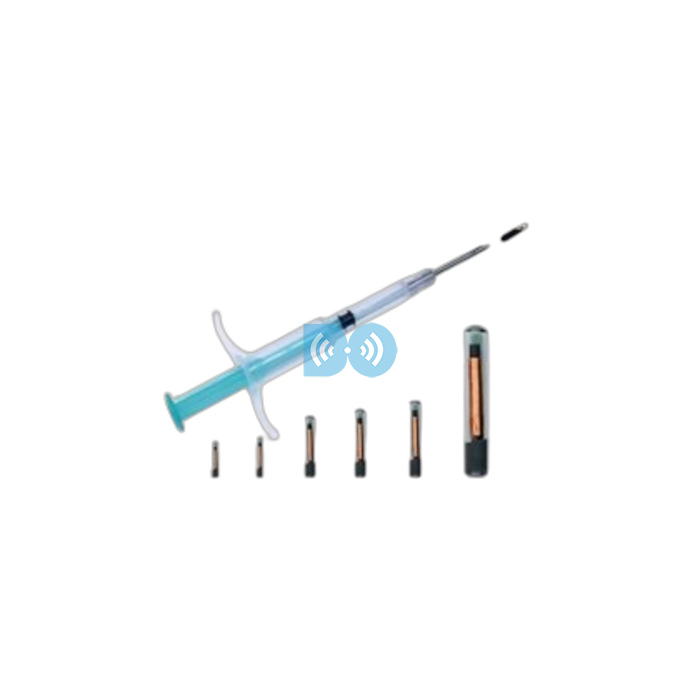
Avian Monitoring RFID Microchip for Bird Tracking
More >>
Herpetology Research PIT Tag for Reptiles and Amphibians
More >>
Laboratory Rodent Identification RFID Microchip
More >>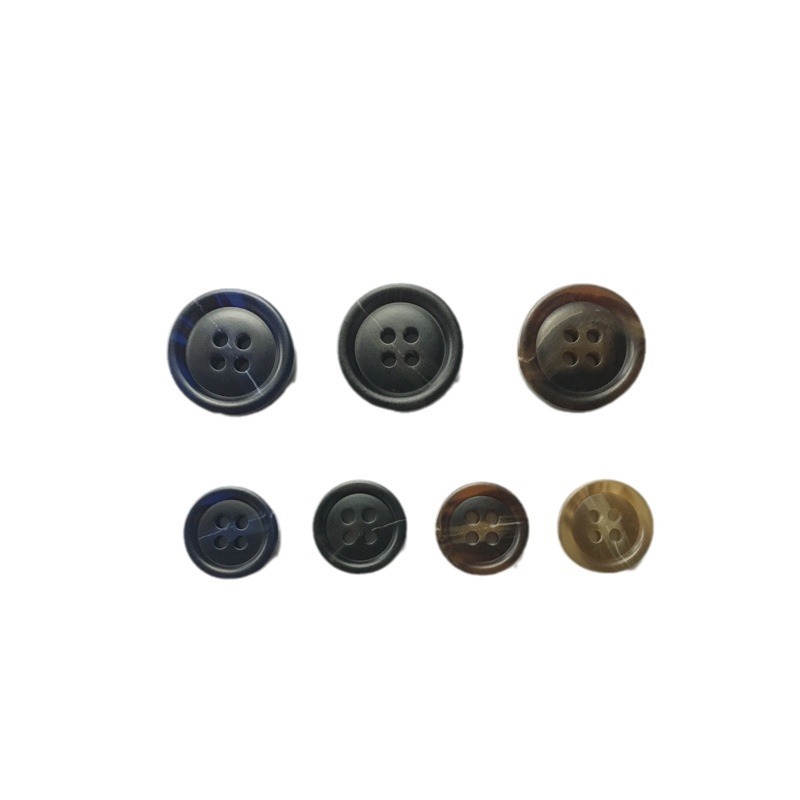
Durable NFC Button Tag with NTAG213 215 216. Ideal for access control, checkpoints, maintenance tracking, and authentication systems.
More >>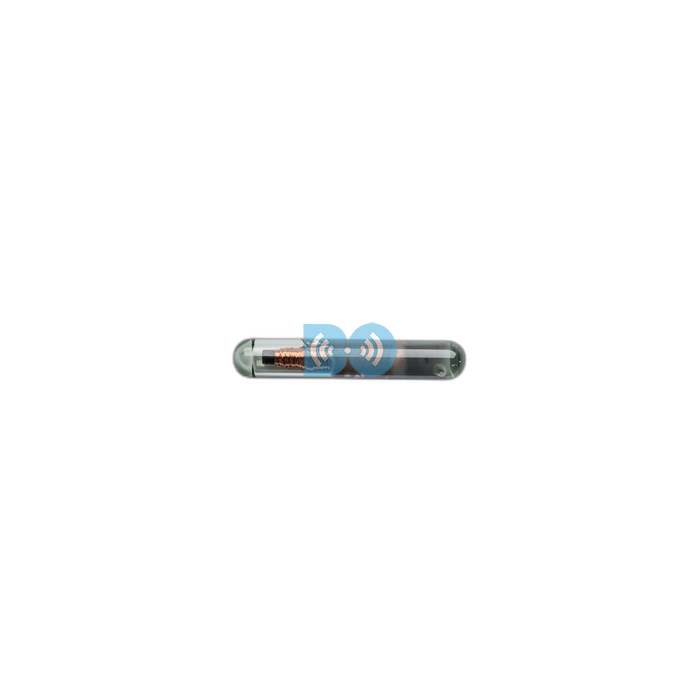
379.png)