D.O RFID TAG company is a RFID card manufacturers & factory, professional RFID card manufacturers , NFC tags suppliers and RFID Wristband company in shenzhen china for 15 years — Source Quality Products and Enjoy Efficient Service.
PIT tag recovery techniques, fish tag reading guide, PIT tag data matching, underwater PIT tag scanner, fish tracking data collection
Learn expert fish PIT tag recovery and reading methods for research & aquaculture. Discover scanner selection, tag localization, and data matching tips to maximize tagging project value.
The success of any fish PIT tagging project doesn’t end with implantation—fish PIT tag recovery and reading are the critical final steps that turn physical tags into actionable data. For fisheries researchers studying migration patterns or aquaculture farmers tracking stock, mastering these processes ensures accurate data collection, reliable population analysis, and full return on investment in tagging efforts. This guide covers everything from selecting the right reading tools to recovering tags from harvested or recaptured fish, with insights from leading PIT tag manufacturers.
PIT tags are only valuable if their data can be retrieved—and poor recovery or reading practices can render years of tagging work useless. Here’s why these steps are non-negotiable:
Validate Project Goals: Recovery data confirms survival rates, migration routes, and growth patterns—core metrics for conservation research and aquaculture efficiency.
Maximize Resource Value: Recovered tags can sometimes be reused (for non-endangered species), reducing project costs for large-scale studies.
Ensure Data Integrity: Proper reading and matching avoid duplicate or missing records, which is critical for peer-reviewed research and regulatory compliance.
Optimize Future Tagging: Issues like low recovery rates or unreadable tags highlight opportunities to adjust implantation sites or tag types.
Whether you’re recapturing wild salmon for migration studies or harvesting farmed tilapia, fish PIT tag recovery and reading turn passive tags into active data assets.
The first rule of successful reading is choosing equipment tailored to your scenario—whether you’re scanning fish in the field, at a hatchery, or underwater. Below are the key tools and their use cases:
Ideal for recaptured wild fish or farmed fish during sorting, handheld readers offer portability and precision. Look for these features:
Waterproof Design: IP67+ rating to withstand wet field conditions (e.g., riverbanks or fish processing areas).
Long Battery Life: 8+ hours of use for all-day fieldwork.
Multi-Tag Compatibility: Reads both FDX and HDX tags (the two most common types for fish).
Top Pick: RFID Tag Maker’s PIT Tag Scanner. This lightweight reader (250g) has a 10cm read range for small tags and 50cm for large HDX tags, with a backlit screen for low-light conditions—perfect for early-morning river surveys.
For monitoring fish movement through rivers, estuaries, or fish ladders, fixed antennas automate reading without manual recapture. Key specs include:
Wide Read Range: Up to 500mm to capture fast-swimming fish.
Data Logging: Integrates with cloud or local storage to record tag IDs, timestamps, and water temperature.
Corrosion Resistance: Marine-grade stainless steel for saltwater or freshwater use.
Top Pick: Dorfid’s custom underwater antennas, paired with theirHDX PIT tags. Used in Columbia River salmon studies, these antennas capture 90% of passing tagged fish and sync data in real time to research databases.
In aquaculture, locating tags in processed fish (e.g., filleted salmon) requires a locator that pinpoints tag position without damaging the fish. Look for:
Precision Sensors: Detects tags within 1–2mm to avoid cutting into edible portions.
Ergonomic Design: Handheld wand shape for easy scanning of fish carcasses.
Dorfid offers specialized locators for aquaculture, available via their main PIT tag page, that work with all their fish tag models.
Even the best tools fail with poor technique. Follow these guidelines to ensure 100% read accuracy:
Minimize Stress: Keep the fish in a wet, aerated container during scanning—prolonged air exposure reduces survival and makes handling difficult.
Target Implantation Zones: Scan the dorsal muscle (the standard implantation site) first, moving the reader in slow, circular motions. For large fish, focus on a 10cm radius around the spine.
Adjust Reader Distance: Hold handheld readers 2–5cm from the fish’s body—too close can overload the sensor, too far reduces read range.
Record Data Immediately: Note the tag ID, fish length, weight, and location directly in your tracking app or notebook—never rely on memory.
Test Antenna Placement: Run a “tag test” before deployment—pass a tagged fish through the antenna to confirm read rates (aim for 90%+).
Maintain Equipment: Clean antennas monthly to remove algae or debris, which block signals. Replace worn cables annually to avoid data drops.
Cross-Check Data: Compare antenna logs with manual recapture data to identify gaps (e.g., tags read by the antenna but not recaptured).
Scan Before Processing: Pass the whole fish through a portable locator to find the tag—do this before filleting to avoid cutting the tag.
Sync Reading Data: Download data from readers/antennas and import it into your database. Use the tag ID as the primary key to match reading records with implantation records.
Both Dorfid and RFID Tag Maker offer compatibility guides to ensure their tags work with popular aquaculture and research data management software.
Dorfid: Offers a full suite of recovery and reading tools, including underwater antennas, portable locators, and HDX-compatible readers. Their High-Frequency PIT Tags page includes tool bundles for research projects, with bulk discounts.
Train Your Team: Host workshops on reading and recovery technique—even experienced handlers make mistakes with new tools.
Document Everything: Note any issues (e.g., a tag that was unreadable) in your log—this helps troubleshoot future projects.
Avian Monitoring RFID Microchip for Bird Tracking
More >>
Herpetology Research PIT Tag for Reptiles and Amphibians
More >>
Laboratory Rodent Identification RFID Microchip
More >>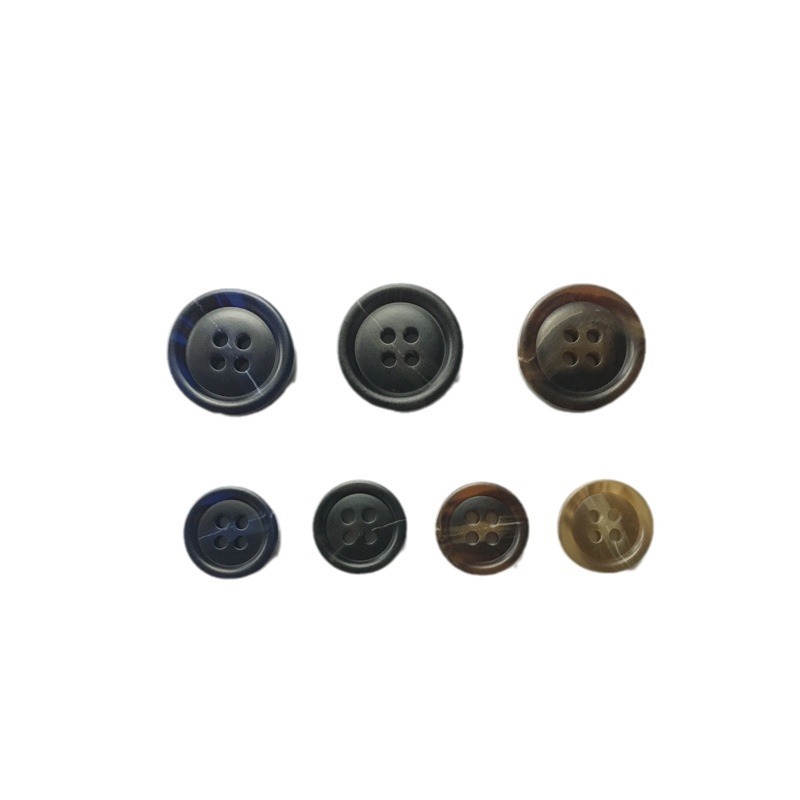
Durable NFC Button Tag with NTAG213 215 216. Ideal for access control, checkpoints, maintenance tracking, and authentication systems.
More >>
379.png)