
D.O RFID TAG company
D.O RFID TAG company is a RFID card manufacturers & factory, professional RFID card manufacturers , NFC tags suppliers and RFID Wristband company in shenzhen china for 15 years — Source Quality Products and Enjoy Efficient Service.

Fish PIT Tagging for Migration Tracking

Master fish PIT tagging for migration tracking with our expert guide. Learn about HDX PIT tag selection, underwater antenna setup, and data analysis to study fish movement & support conservation projects.

For fisheries biologists and conservationists, fish PIT tagging for migration tracking is the most reliable method to study how fish move through rivers, estuaries, and oceans. Unlike acoustic tags that require battery power, passive PIT tags offer lifelong identification—making them ideal for long-term studies of anadromous species like salmon, sturgeon, and eels. This guide breaks down the technical steps, equipment selection, and data analysis strategies to run a successful migration tracking project, with recommendations from trusted PIT tag factories.

Why PIT Tagging Is the Gold Standard for Migration Research

Migration tracking requires a tagging solution that can withstand years in aquatic environments and be read remotely as fish pass through key habitats. Fish PIT tagging for migration tracking delivers on these needs with three unmatched advantages:

  1. Long-Term Reliability: PIT tags have no batteries, so they work for the fish’s entire lifespan—critical for tracking species that take 5–10 years to complete their migration cycle.

  2. Remote Reading Capability: Pair tags with underwater fixed antennas to automatically record fish movement 24/7, without manual handling of the animals.

  3. Cost-Effective Scalability: PIT tags are cheaper than acoustic or satellite tags, allowing researchers to tag thousands of fish for large-scale population studies.

This method is especially vital for conservation—tracking data helps identify migration barriers (e.g., dams, culverts) and inform habitat restoration projects to protect endangered fish species.

How to Design a Fish PIT Tagging Migration Tracking Project

A successful migration tracking project requires careful planning around tag selection, antenna placement, and data management. Follow these core steps:

1. Select the Right PIT Tags for Migration Studies

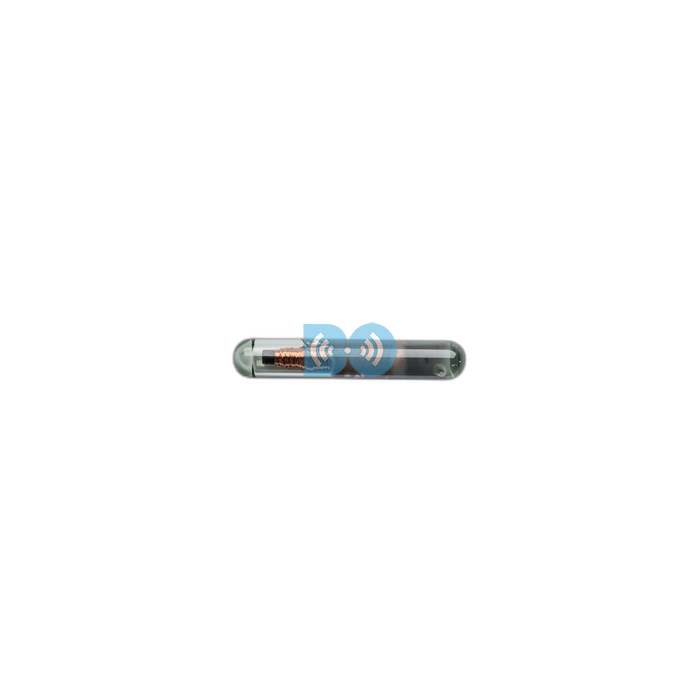
Not all PIT tags are suited for migration tracking—prioritize HDX (Half-Duplex) tags for their longer read ranges (up to 500mm) and better performance in murky, fast-flowing water. Key tag features to look for:

  • Size Matching: Choose tags based on the target fish species (e.g., 1.4×8mm for juvenile salmon, 8×212mm for adult sturgeon) to minimize swimming disruption.

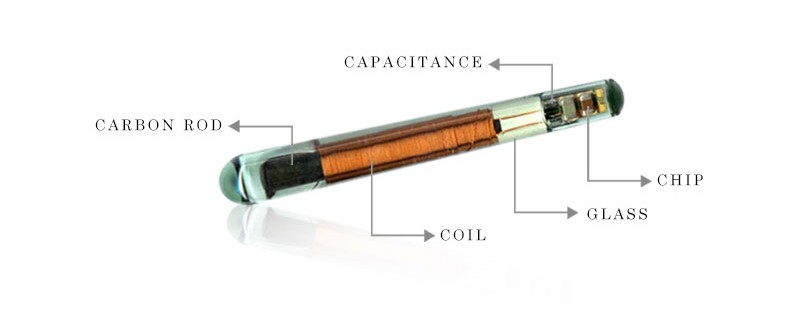
  • Waterproof & Corrosion-Resistant Encapsulation: Opt for bioglass-encapsulated tags with IP68 ratings to withstand saltwater, freshwater, and extreme pressure (up to 100 meters deep).

  • Anti-Migration Coatings: Tags with medical-grade coatings stay fixed in the fish’s dorsal muscle, avoiding shifts that could lead to missed reads.

Dorfid offers HDX tags optimized for migration tracking, including their HDX 7×125mm PIT Tag for medium-sized fish and HDX 32×4mm PIT Tag for large species like white sturgeon. Their PIT Tags for Fish Tracking page also provides technical specs for migration-focused tag performance.

2. Implant Tags Correctly for Maximum Retention

Proper implantation is critical to ensure tags stay in place during long migrations. Follow these best practices:

  • Anesthetize Fish Safely: Use MS-222 or clove oil to calm fish—never tag awake animals, as stress can lead to high mortality rates.

  • Choose the Optimal Implant Site: For most fish, implant tags in the dorsal muscle (between the spine and dorsal fin). This location avoids vital organs and reduces tag migration during swimming.

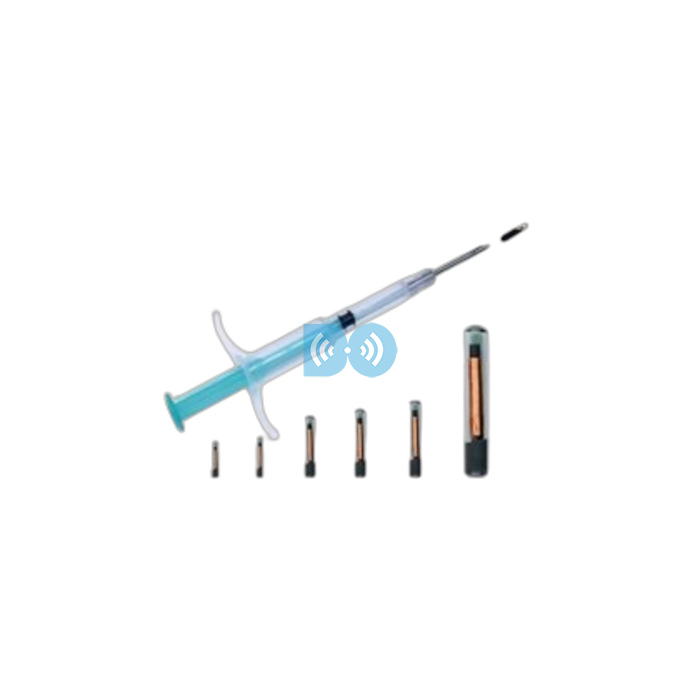
  • Use Sterile Tools: Disposable pre-loaded syringe kits (like RFID Tag Maker’s Pre-loaded Sterile FDX PIT Tag) eliminate cross-contamination risks and ensure precise depth control.

  • Verify Readability Immediately: Scan each tagged fish with a handheld reader (e.g., RFID Tag Maker’s PIT Tag Scanner) to confirm the tag is active before release.

3. Set Up Fixed Underwater Antennas for Remote Data Collection

The most effective way to track migration is to install fixed antennas at key chokepoints (e.g., dam fish ladders, river confluences, estuary entrances). Here’s how to optimize antenna placement:

  • Target High-Traffic Areas: Focus on locations where fish are forced to swim through a narrow space—this maximizes read rates (up to 90% for well-placed antennas).

  • Use Waterproof Antennas: Choose antennas rated for underwater use, with durable cables that resist damage from debris and strong currents.

  • Pair with Data Loggers: Connect antennas to data loggers to automatically record tag IDs, timestamps, and water conditions (temperature, flow rate) for later analysis.

How to Analyze Migration Tracking Data for Conservation Impact

Collecting tag data is only half the battle—turning that data into actionable insights is what drives conservation success. Key analysis steps include:

  1. Map Migration Routes: Plot tag read locations and timestamps to identify the path fish take, including stopover habitats and migration timing.

  2. Identify Barriers: Look for gaps in read data (e.g., no tags detected past a dam) to pinpoint migration barriers that need restoration.

  3. Calculate Survival Rates: Compare the number of tagged fish released to the number detected at downstream antennas to estimate survival rates during migration.

  4. Share Data with Stakeholders: Present findings to government agencies, NGOs, and local communities to advocate for habitat protection and fish passage improvements.

Where to Source Equipment for Fish PIT Tagging Migration Tracking

To ensure project success, source tags, readers, and antennas directly from factories with expertise in aquatic research:

  1. Dorfid: Specializes in HDX PIT tags and aquatic antenna solutions for migration tracking. Their High-Frequency PIT Tags for Wildlife & Fisheries are ISO 11785-certified and tested in real-world migration studies. They also offer custom antenna design for unique river systems.

  2. RFID Tag Maker: Provides affordable handheld readers and sterile mini tag kits for juvenile fish tagging. Their PIT Tags Page includes bulk pricing for large-scale projects, and their readers are compatible with all HDX and FDX migration tags.

Final Tips for a Successful Migration Tracking Project

  1. Collaborate with Local Experts: Partner with fisheries biologists, river managers, and indigenous communities to identify key migration routes and gain access to field sites.

  2. Test Equipment Before Deployment: Submerge antennas and loggers in the river for 2–3 weeks before tagging to ensure they can withstand local water conditions.

  3. Secure Funding for Long-Term Monitoring: Migration studies take years—apply for grants from conservation organizations to fund antenna maintenance and data analysis over time.

With the right tools and planning, fish PIT tagging for migration tracking can unlock the secrets of fish movement and help protect vulnerable species for generations to come.


If you want to ask anything just fill in the form below and send us. We will contact you within 12 hours.
Write a review

RFID Products
Contact

FEATURED PRODUCTS

Bulk PIT Tags for Sale with OEM RFID Encoding

Bulk PIT Tags for Sale with OEM RFID Encoding

More >>
Avian Monitoring RFID Microchip for Bird Tracking

Avian Monitoring RFID Microchip for Bird Tracking

More >>
Herpetology Research PIT Tag for Reptiles and Amphibians

Herpetology Research PIT Tag for Reptiles and Amphibians

More >>
Laboratory Rodent Identification RFID Microchip

Laboratory Rodent Identification RFID Microchip

More >>