D.O RFID TAG company is a RFID card manufacturers & factory, professional RFID card manufacturers , NFC tags suppliers and RFID Wristband company in shenzhen china for 15 years — Source Quality Products and Enjoy Efficient Service.
Not all bioglass is created equal—low-quality formulations (e.g., recycled glass or thin coatings) fail as quickly as plastic. Use these metrics to choose high-performance bioglass PIT tags
Not all bioglass is created equal—low-quality formulations (e.g., recycled glass or thin coatings) fail as quickly as plastic. Use these metrics to choose high-performance bioglass PIT tags:
Opt for medical-grade bioglass (ISO 10993 certified) instead of industrial-grade. Medical-grade bioglass is purified to remove impurities that cause tissue irritation, while industrial-grade may contain heavy metals. Top suppliers like Dorfid and RFID Tag Maker exclusively use medical-grade bioglass for fish PIT tags.
Bioglass thickness directly impacts durability. Avoid tags with coatings thinner than 0.1mm—they chip easily. High-quality tags (e.g., RFID Tag Maker’s FDX 2×12mm) use 0.15mm bioglass, while heavy-duty HDX tags for large fish have 0.2mm+ coatings.
Even the best bioglass fails if the tag’s chip housing isn’t hermetically sealed. Look for tags with “laser-welded bioglass” (not glued)—this creates a permanent seal that blocks water, mud, and debris. Dorfid’s HDX tags use this technology, ensuring zero water intrusion for the tag’s 10-year lifespan.
Ask suppliers for fish-specific biocompatibility test results. Reputable brands provide data on tag performance in your target species (e.g., salmon, tilapia, sturgeon), including tissue reaction and expulsion rates. RFID Tag Maker publishes these reports on its website for all bioglass tags.
Guarantee quality with dual certifications: ISO 11785 (PIT tag performance) and ISO 10993 (biological safety). Tags lacking these certifications may use substandard bioglass that risks fish health and data loss.
Below are the best bioglass-encapsulated PIT tags for common fish tagging scenarios, with pricing for 1,000-unit orders (bulk discounts available):
Tag Model | Supplier | Bioglass Specs | Price per Unit | Best For | Lifespan in Water |
|---|---|---|---|---|---|
FDX 1.25×7mm Sterile Bioglass Tag | RFID Tag Maker | Medical-grade, 0.1mm, laser-sealed | {cbq:ncontent}.90 | Hatchery fry (10–15cm), lab fish | 3+ years |
FDX 2×12mm Bulk Bioglass Tag | RFID Tag Maker | Medical-grade, 0.15mm, saltwater-resistant | {cbq:ncontent}.75 | Juvenile fish, freshwater/saltwater aquaculture | 5+ years |
HDX 7×125mm Heavy-Duty Bioglass Tag | Dorfid | Marine-grade, 0.2mm, hermetic laser seal | .00 | Adult salmon, sturgeon, migration research | 10+ years |
FDX 1.4×8mm Pond Bioglass Tag | Dorfid | Medical-grade, 0.12mm, mud-resistant | {cbq:ncontent}.85 | Pond fish, community conservation | 4+ years |
Bioglass tags cost 10–15% more than plastic, but their durability eliminates re-tagging costs. Maximize value with these strategies:
Buy in Bulk: 5,000+ unit orders of RFID Tag Maker’s FDX bioglass tags drop to {cbq:ncontent}.65/unit—saving 0 on a 2-year supply.
Choose Bulk Packaging: Sterile individual packaging adds {cbq:ncontent}.20/unit—opt for bulk packs (100 tags/bag) for farm use.
Bundle with Readers: Bioglass tag + reader packages (e.g., RFID Tag Maker’s Hatchery Bioglass Bundle) save 25% vs. separate purchases.
Leverage Research Grants: Many conservation grants cover bioglass tags (classified as “sustainable research tools”)—ask suppliers for grant-friendly invoices.
Myth 1: Bioglass tags are too heavy for small fish.Fact: Mini bioglass tags (1.25×7mm) weigh just 0.01g—less than 1% of a 10g fry’s body weight, with no impact on swimming or growth.
Myth 2: Bioglass is only for saltwater.Fact: Medical-grade bioglass resists freshwater mud, algae, and pH fluctuations (4–10 pH) better than plastic—ideal for ponds and rivers.
Myth 3: Plastic tags are “good enough” for short-term projects.Fact: Even 6-month projects see 10% plastic tag failure—bioglass tags have 2% failure rates, making them cheaper in the long run.
Unscrupulous suppliers sell “bioglass” tags with thin plastic coatings. Verify authenticity with these steps:
Request Material Certificates: Ask for ISO 10993 and bioglass material test reports—reputable suppliers provide these for free.
Inspect the Tag: Bioglass has a smooth, glass-like finish; plastic imitations are dull or have visible seams.
Test with Water: Submerge a sample tag in boiling water for 1 hour—bioglass remains intact, while plastic warps.
Buy Factory-Direct: Avoid middlemen—Dorfid and RFID Tag Maker sell authentic bioglass tags with no markup.
For any fish tagging project where reliability and fish welfare matter, bioglass encapsulation is worth the small upfront investment. Whether you’re tagging fry in a hatchery or tracking sturgeon migration, these tags deliver consistent performance while reducing long-term costs. Start with 5–10 free samples from Dorfid or RFID Tag Maker to test bioglass durability in your specific environment—most suppliers cover shipping for sample orders.
By prioritizing PIT tags bioglass encapsulation, you’re not just buying tags—you’re investing in data you can trust, fish you can protect, and a project that stays on budget.
By focusing on factory-direct, ISO-certified tags with bioglass encapsulation, you can find cheap fish PIT tags with high durability that meet your project needs without breaking the bank. Always order 5–10 sample tags first to test durability in your specific water environment—reputable suppliers offer free samples with minimal shipping costs.
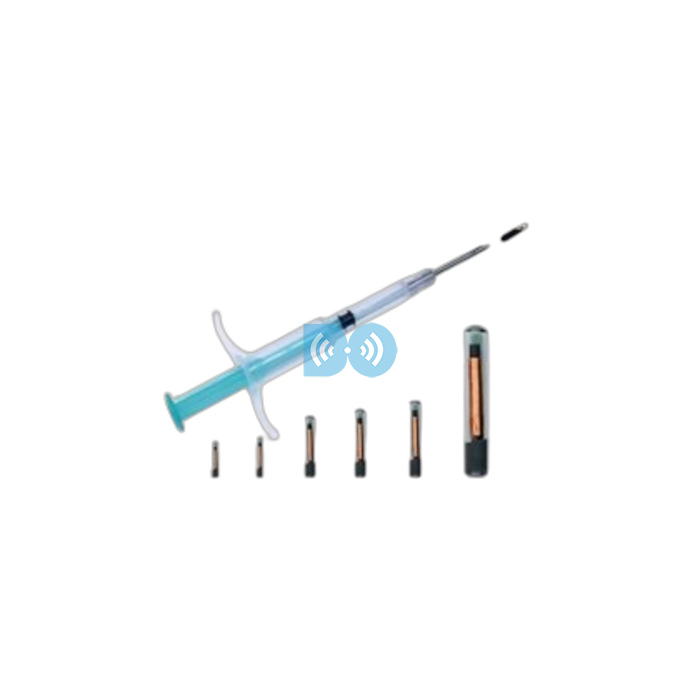
Avian Monitoring RFID Microchip for Bird Tracking
More >>
Herpetology Research PIT Tag for Reptiles and Amphibians
More >>
Laboratory Rodent Identification RFID Microchip
More >>
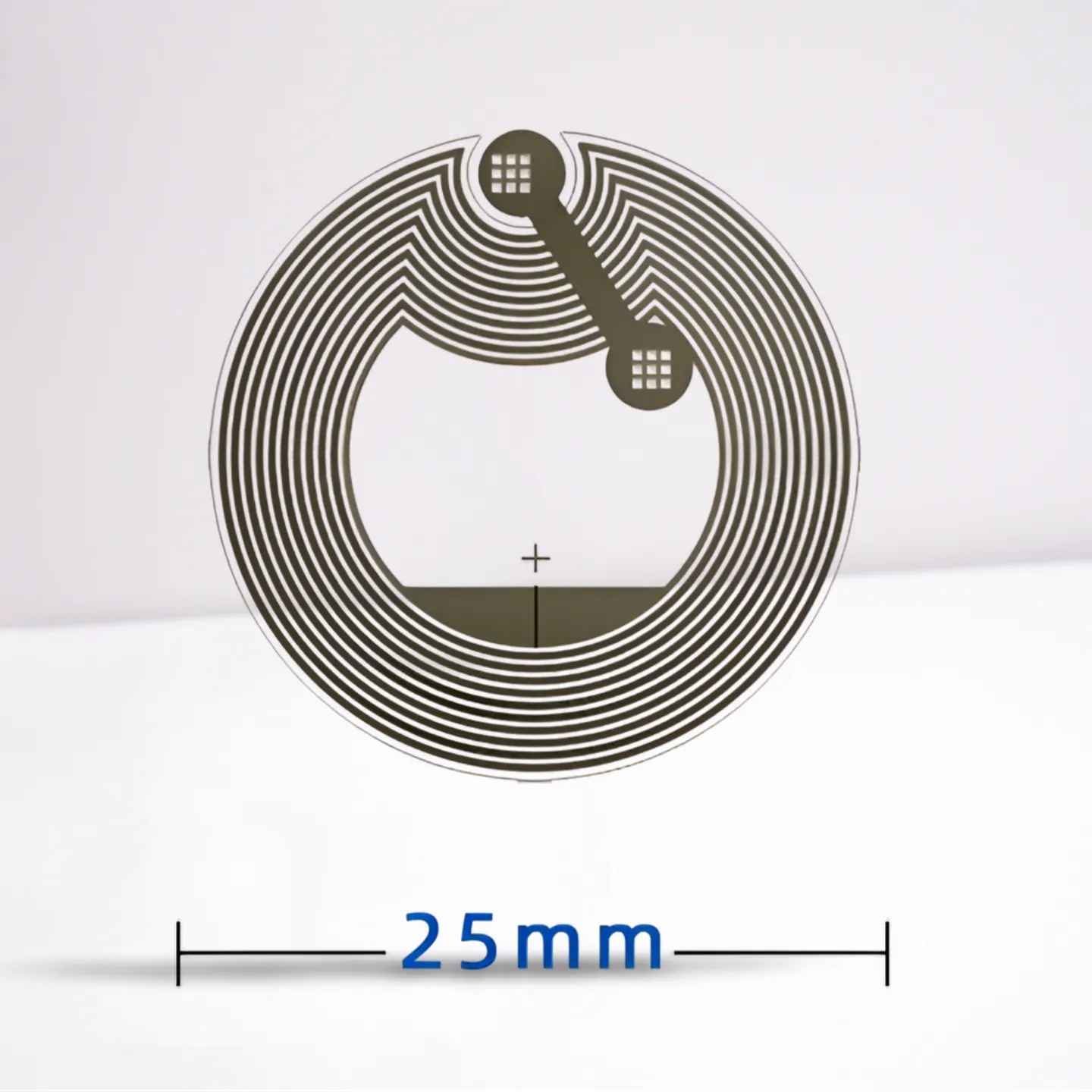
Durable NFC Button Tag with NTAG213 215 216. Ideal for access control, checkpoints, maintenance tracking, and authentication systems.
More >>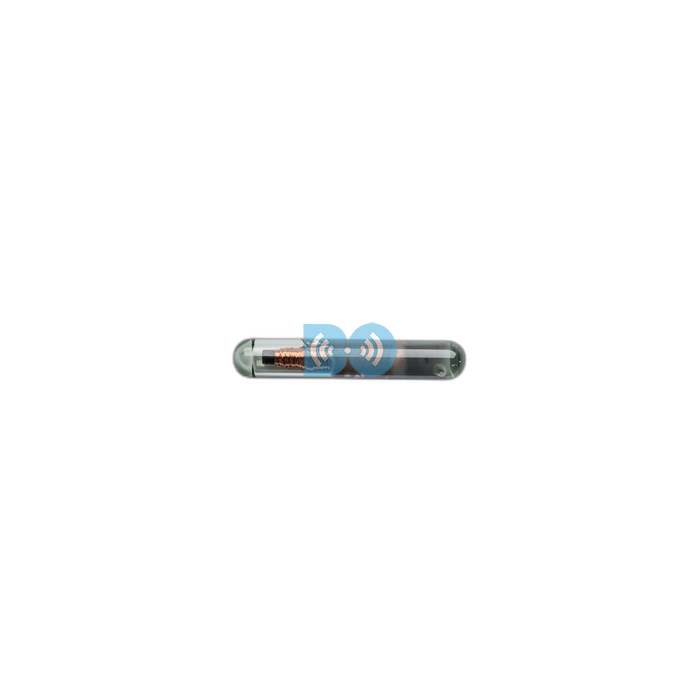
379.png)