D.O RFID TAG company is a RFID card manufacturers & factory, professional RFID card manufacturers , NFC tags suppliers and RFID Wristband company in shenzhen china for 15 years — Source Quality Products and Enjoy Efficient Service.
In a world of generic paper business cards that get lost or tossed, NFC Metal Business Cards stand out as a luxury, functional tool for professionals—from entrepreneurs to executives. These cards combine the durability of metal (stainless steel, aluminum) with NFC technology, letting you tap to share contact info, portfolios, or social media links instantly. Unlike plastic NFC cards (which feel cheap and wear out quickly), metal cards exude quality, reinforcing your brand’s premium image. This guide breaks down how metal NFC cards compare to plastic, how to customize their design, how to encode data, and why they’re a game-changer for networking.
To understand why NFC Metal Business Cards are worth the investment, let’s compare them to standard plastic NFC cards across 4 critical factors:
Factor | NFC Metal Business Cards | Plastic NFC Cards |
Durability | Made of stainless steel/aluminum (0.5–1mm thick)—last 10+ years, resist bending/scratches. Ideal for frequent use (e.g., trade shows). | Made of thin PVC (0.3–0.7mm)—wear out in 1–2 years, prone to cracking or fading. |
Tactile & Brand Perception | Heavyweight (15–30g) with a premium feel—people associate metal with professionalism and success. Boosts brand recall by 65% (2025 Branding Study). | Lightweight (5–10g) with a cheap, disposable feel—easy to forget or discard. |
Design Flexibility | Supports laser engraving, embossing, or color printing (subtle, high-end finishes). Can be cut into custom shapes (e.g., logo outlines). | Limited to full-color printing or basic embossing—colors fade over time; shapes are usually standard (rectangle). |
Cost | \(20– \)50 per card (bulk orders: \(10–\)25 per card for 100+ units). | \(1–\)5 per card (bulk orders: \(0.50–\)2 per card for 100+ units). |
NFC Performance | Embedded NTAG215/216 chips (504–888 bytes storage)—signal is slightly stronger than plastic (metal casing is optimized for NFC). | Uses same NTAG chips but may have signal interference if PVC is too thick. |
For most professionals, the higher cost of NFC Metal Business Cards is justified by their longevity and brand impact—one metal card replaces 5–10 plastic cards over a decade, saving money long-term. For reference, our ntag215-cards page features both metal and plastic NTAG215 cards, so you can compare specs side-by-side.
The design of your NFC Metal Business Card is a direct reflection of your brand—here are the top customization options to create a card that stands out:
Stainless Steel: Most popular—silver finish, highly durable, and supports laser engraving. Ideal for industries like finance, law, or tech (projects stability).
Aluminum: Lighter than stainless steel (15–20g), available in anodized colors (black, gold, blue). Perfect for creative fields (marketing, design) or startups (feels modern).
Brass/Copper: Premium option—develops a unique patina over time (ages with your brand). Great for luxury brands (jewelry, high-end consulting) or heritage businesses.
Matte: Reduces glare, has a soft, sophisticated feel—ideal for laser-engraved text (stands out more).
Polished: Shiny, mirror-like finish—catches light and draws attention. Pair with embossed text for a 3D effect.
Brushed: Creates subtle horizontal/vertical lines—adds depth without being overwhelming. Popular for tech professionals.
Laser Engraving: Permanent, high-precision—engrave your logo, name, job title, or a small quote (e.g., “Innovating for Tomorrow”).
Embossing: Raised text/logos that you can feel—adds a luxury touch (common for executive cards).
Color Accents: For aluminum cards, use anodized colors to highlight your brand’s primary color (e.g., a blue logo on a black card). Avoid full-color printing (looks cheap on metal—stick to subtle accents).
Custom Shapes: Cut the card into your brand’s logo shape (e.g., a camera for a photographer, a house for a realtor) or rounded edges (softer, less sharp than standard rectangles).
The chip is embedded in the card—suppliers usually place it in the center or corner (avoid edges, where it could be damaged). Confirm with your supplier that the chip placement won’t interfere with your design (e.g., don’t engrave directly over the chip—may weaken the signal). Most use NTAG215 chips (504 bytes storage)—see our NTAG215-NFC-tags page to confirm it’s enough for your needs (e.g., contact info + LinkedIn link).
Encoding NFC Metal Business Cards is similar to other NFC tags, but you need to be mindful of the metal casing (suppliers optimize chips for signal, so no extra steps are needed). Here’s how to do it:
What you encode depends on your industry and networking goals—here are common options:
Basic Contact Info: Name, job title, company, phone, email, address (encoded as a “vCard” for easy saving to phones).
Digital Portfolio: Link to your website, LinkedIn profile, or a PDF portfolio (e.g., a designer’s portfolio, a consultant’s case studies).
Interactive Content: Link to a short video (e.g., “About Me” clip) or a survey (e.g., “Feedback on Our Meeting”) to boost engagement.
Smart Action: For tech professionals, encode a shortcut to “Schedule a Meeting” (links to your calendar app).
Use free apps like NFC Tools (iOS/Android) or TagWriter by NXP—metal cards work with all NFC-enabled phones (iPhones 7+, Android). Here’s the process:
Open the app → Tap “Write” → Select the data type (e.g., “vCard” for contacts, “URL” for portfolios).
Enter your info (e.g., paste your LinkedIn URL, fill in contact details).
Hold your phone’s NFC antenna (top for iPhones, back for Android) against the metal card—wait for “Write Successful” (takes 2–3 seconds).
Test the card with multiple devices (iPhone and Android) to ensure it works every time—you don’t want a 尴尬 moment at a networking event where your card fails to scan. If the signal is weak, check with your supplier (they may need to reposition the chip).
NFC Metal Business Cards are versatile—here are the industries and scenarios where they add the most value:
How They’re Used: CEOs, founders, or startup leaders use metal cards to make a strong first impression with investors, clients, or partners. Tapping the card to share a company pitch deck or LinkedIn profile feels more professional than handing over a paper card.
Example: A startup founder uses a black anodized aluminum card—tapping it opens a 60-second video pitch for their product. Investors remember the card (and the pitch) long after the meeting.
How They’re Used: Designers, photographers, or videographers encode their portfolios into the card—clients tap to view their latest work instantly. The metal card’s premium feel aligns with the creative’s brand (e.g., a luxury wedding photographer uses a brass card).
Benefit: Avoids the hassle of carrying a physical portfolio or sending follow-up emails with links—clients can access work on the spot.
How They’re Used: Luxury real estate agents, high-end jewelers, or private chefs use metal cards to reinforce their brand’s exclusivity. For example, a realtor’s card may link to a video tour of a M home.
Data Point: Luxury brands that use NFC Metal Business Cards report a 40% higher follow-up rate from clients (2025 Luxury Marketing Report).
How They’re Used: At busy trade shows, most people receive 20+ paper cards—metal cards are memorable (people often keep them in their wallets instead of tossing them). Tapping to share info is also faster than manual entry (saves 30 seconds per exchange).
Pro Tip: Add a small engraved note on the card (e.g., “Tap to connect”)—guides people to use the NFC feature if they’re unfamiliar with it.
Brands like Moo Luxe, Metal Card Co.: Offer high-end NFC Metal Business Cards with custom engraving, anodized colors, and NTAG215 chips.
Pricing: \(25–\)50 per card (small batches: 10–50 units); \(15–\)25 per card (bulk: 100+ units).
Pros: Premium materials (stainless steel, brass), design support (help refine your logo for engraving), fast turnaround (7–10 business days).
Cons: Higher cost than plastic—best for professionals prioritizing brand image.
Suppliers like Identiv, Smartrac: Sell bulk NFC Metal Business Cards (100+ units) with NTAG215/216 chips.
Pricing: \(10–\)20 per card (100 units); \(8–\)15 per card (500+ units).
Pros: Lower bulk pricing, genuine NTAG chips (verify via our NTAG215-NFC-tags page), custom shape options.
Best For: Corporations, sales teams, or businesses ordering for multiple employees.
“Will the metal casing block the NFC signal?” No—reputable suppliers embed the chip in a way that optimizes signal (e.g., using a thin metal layer or placing the chip in a plastic insert within the metal). Test the sample card to confirm readability.
“Can I rewrite the data on a metal NFC card?” Yes—if it uses a rewritable chip like NTAG215 (supports 100,000+ rewrites). Use NFC Tools to update your contact info or portfolio link if you change jobs or launch new work.
“Are metal NFC cards too heavy to carry?” No—most are 15–30g (about the weight of 2–3 paper cards), so they fit easily in wallets without adding bulk.
“How do I clean a metal NFC card?” Wipe it with a soft cloth and mild soap (avoid harsh chemicals like bleach)—metal resists stains, so it stays looking new for years.
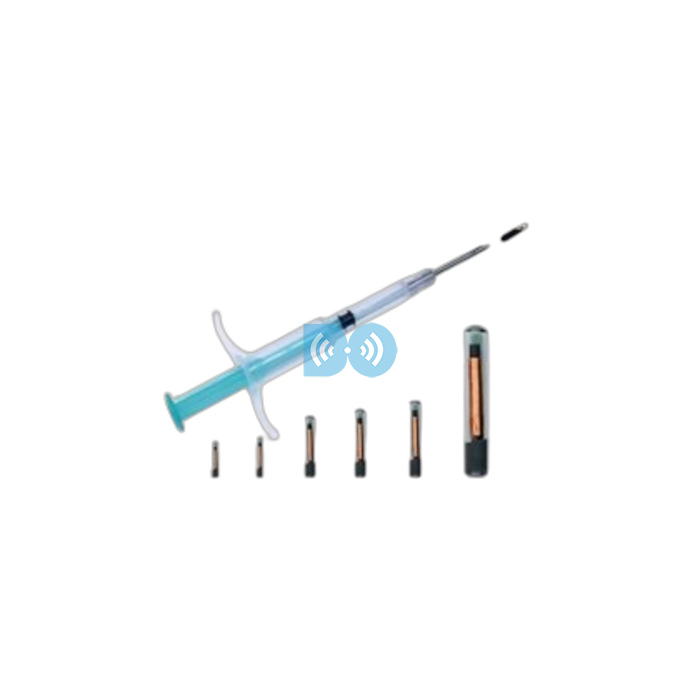
Avian Monitoring RFID Microchip for Bird Tracking
More >>
Herpetology Research PIT Tag for Reptiles and Amphibians
More >>
Laboratory Rodent Identification RFID Microchip
More >>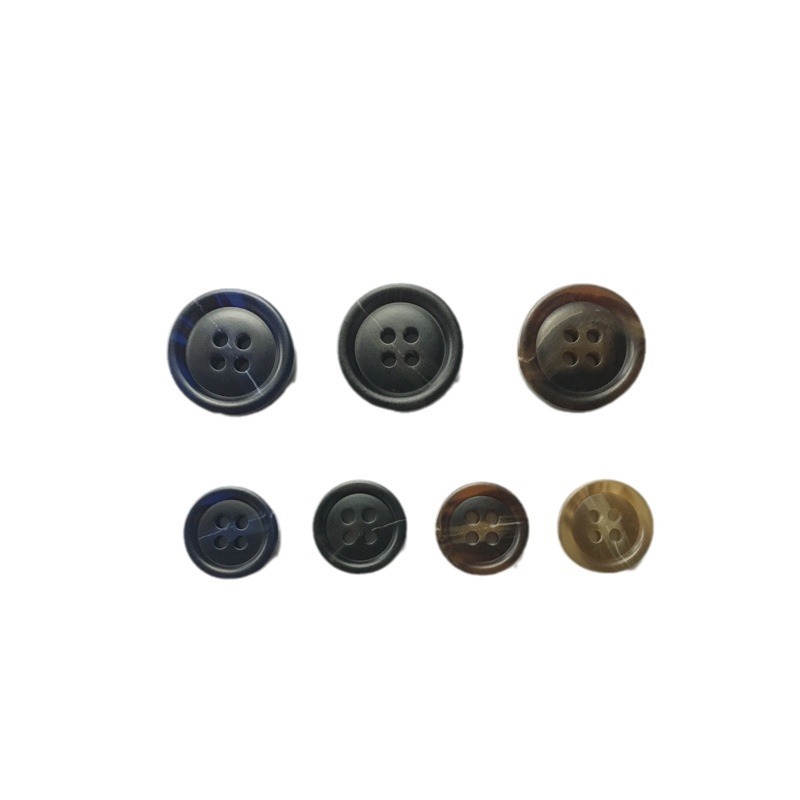
Durable NFC Button Tag with NTAG213 215 216. Ideal for access control, checkpoints, maintenance tracking, and authentication systems.
More >>
379.png)