D.O RFID TAG company is a RFID card manufacturers & factory, professional RFID card manufacturers , NFC tags suppliers and RFID Wristband company in shenzhen china for 15 years — Source Quality Products and Enjoy Efficient Service.
If you’re searching for PIT tags for sale to support wildlife research, aquaculture management, or livestock identification, navigating product options, technical specs, and supplier reliability can be overwhelming. This guide breaks down critical factors to consider—from frequency compatibility to factory selection—to help you make cost-effective decisions while avoiding costly mistakes.
The first rule of buying PIT tags for sale is matching technical parameters to your use case. Two non-negotiable specs to verify are:
Frequency: 134.2KHz is the global standard for animal and fish tagging (compliant with ISO 11785), ensuring compatibility with most readers. For wildlife like sturgeon or livestock, avoid non-standard frequencies that limit cross-device use.
Encapsulation Material: Bioglass or medical-grade epoxy ensures long-term durability (5–20 years) and biocompatibility—critical for minimizing tissue irritation in fish or mammals.
Reputable factories like Dorfid specialize in high-performance PIT tags with these specs. Their High-Frequency PIT Tags for Wildlife Research include options like the HDX 8×212mm tag (ideal for large fish) and HDX 7×125mm tag (for small reptiles), all tested for underwater and extreme temperature resilience (-20℃ to 85℃).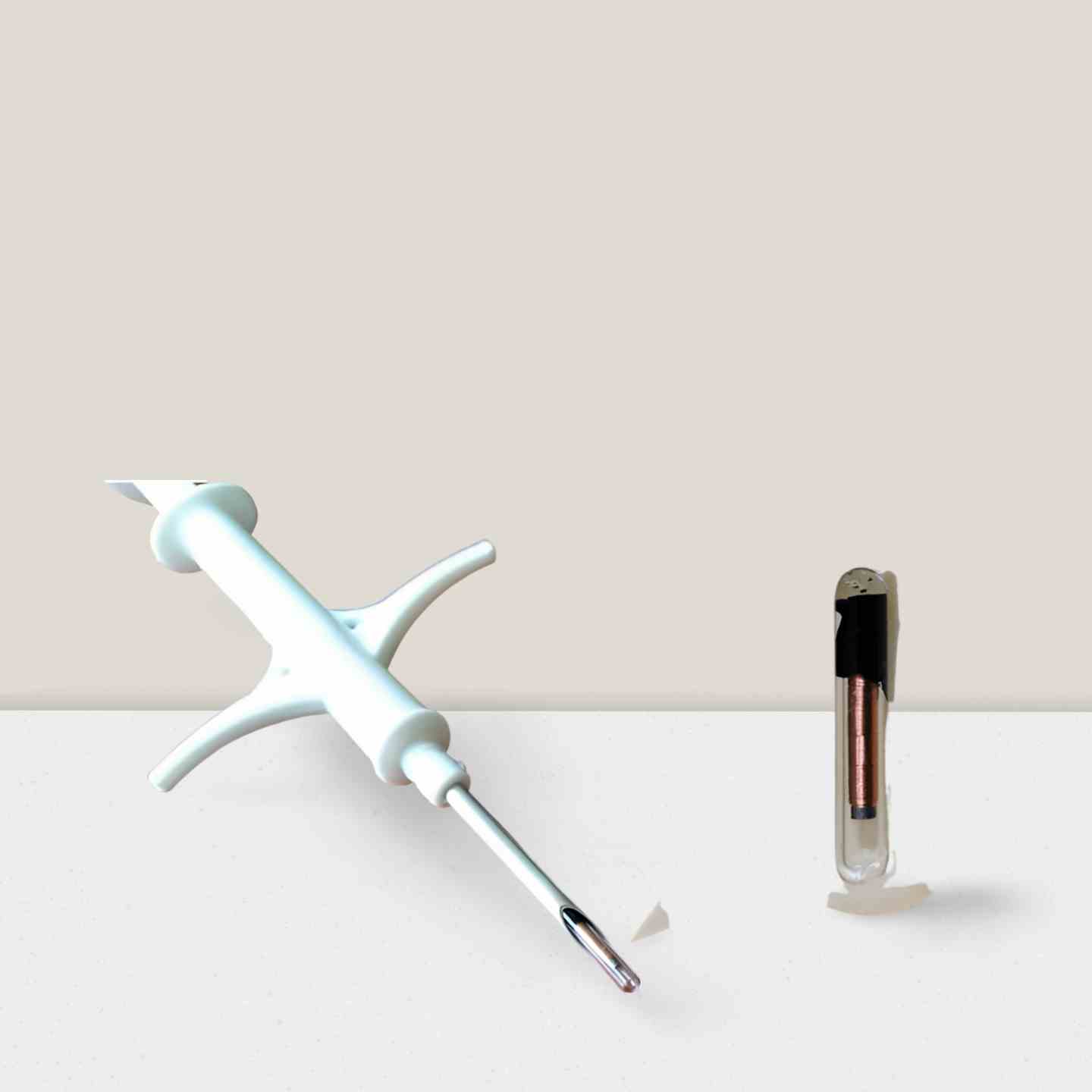
Many buyers prioritize low upfront prices when browsing PIT tags for sale, only to face unexpected expenses later. Watch for these red flags:
No Bulk Discounts: If a supplier doesn’t offer reduced rates for 1,000+ units, you’ll overpay for large projects (e.g., aquaculture stocking or endangered species programs).
Missing Accessories: PIT tags require compatible injectors or syringes—opting for “tag-only” deals means separate purchases later.
RFID Tag Maker solves this with bundled solutions: Their Pre-loaded Sterile FDX PIT Tag (1.25×7mm) comes with a disposable syringe, eliminating cross-contamination risks and saving time on assembly. For readers, their PIT Tag Scanner works seamlessly with both FDX and HDX tags, avoiding compatibility issues.
When buying PIT tags for sale, working directly with manufacturers (not resellers) guarantees:
Customization: Factories like Dorfid and RFID Tag Maker offer tailored options—e.g., anti-migration coatings for active fish or custom encoding for research data tracking.
Post-Sale Support: If tags fail or readers need calibration, factories provide faster troubleshooting. Dorfid’s PIT Tag Injectors, for example, include a 1-year warranty and replacement parts.
Transparent Sourcing: Verify factory credentials (e.g., ISO 9001 certification) to avoid counterfeit tags that break down in harsh environments.
For fish-specific projects, Dorfid’s PIT Tags for Fish Tracking are waterproof (IP68-rated) and tested in freshwater and saltwater—critical for migration studies or aquaculture farms.
Before placing an order, confirm these 5 points:
Frequency matches your existing reader (134.2KHz recommended).
Encapsulation material suits your target species (bioglass for long-term use).
Supplier offers bulk discounts and bundled accessories.
Factory provides technical docs (e.g., durability test reports).
Post-sale support includes warranty and replacement options.
By focusing on these factors and partnering with trusted factories like Dorfid and RFID Tag Maker, you’ll invest in PIT tags that deliver reliable performance for years—whether you’re tracking salmon migrations or managing a cattle herd.
Avian Monitoring RFID Microchip for Bird Tracking
More >>
Herpetology Research PIT Tag for Reptiles and Amphibians
More >>
Laboratory Rodent Identification RFID Microchip
More >>
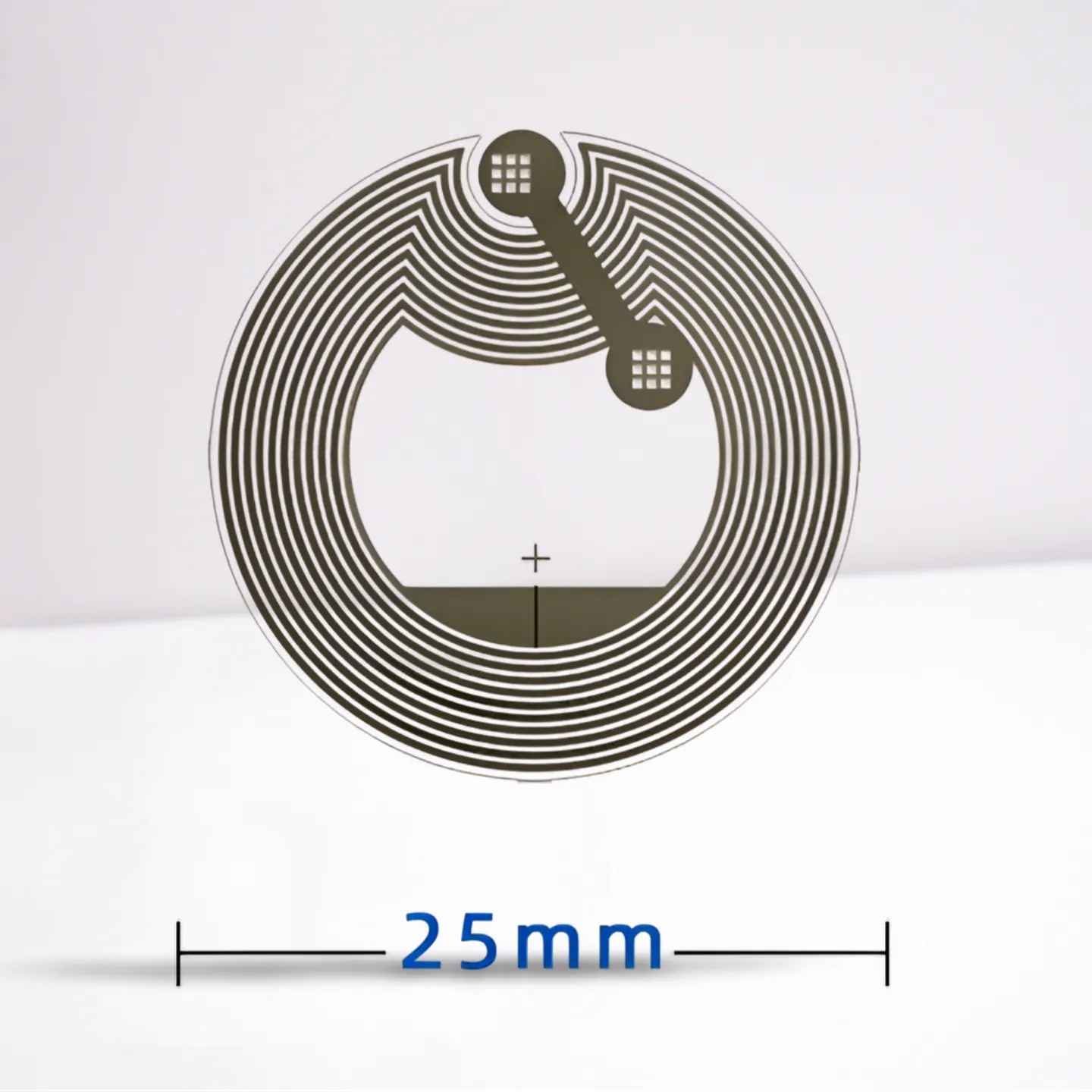
Durable NFC Button Tag with NTAG213 215 216. Ideal for access control, checkpoints, maintenance tracking, and authentication systems.
More >>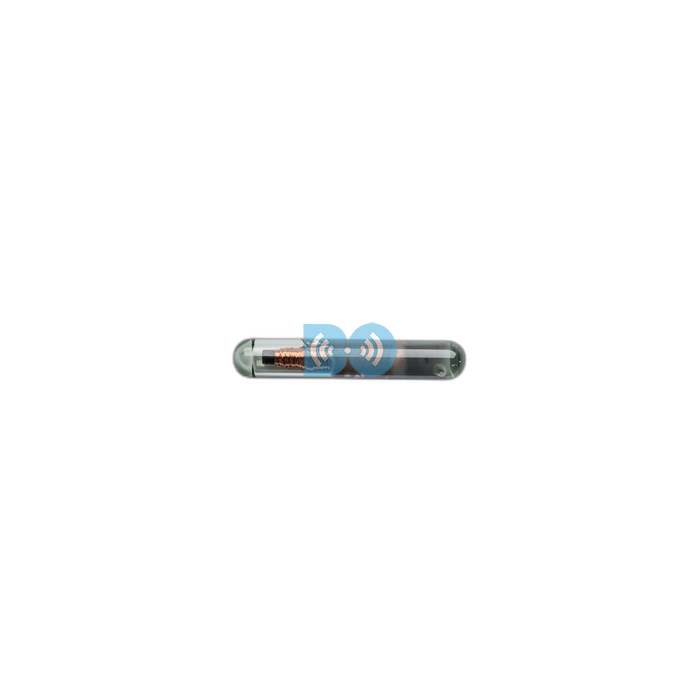
379.png)