
D.O RFID TAG company is a RFID card manufacturers & factory, professional RFID card manufacturers , NFC tags suppliers and RFID Wristband company in shenzhen china for 15 years — Source Quality Products and Enjoy Efficient Service.
In the rapidly evolving landscape of fashion and retail, technology plays an increasingly pivotal role in enhancing operational efficiency and customer experience. One such innovation is the use of RFID tags on clothes, which has revolutionized inventory management, theft prevention, and supply chain tracking. This comprehensive guide delves into the world of RFID technology, exploring its applications, benefits, and the transformative impact it has on the clothing industry.
Keywords: RFID tags on clothes, RFID technology, smart clothing tags
RFID tags on clothes are small, electronic devices embedded into garments that use radio frequency signals to transmit data to a reader for the purpose of identification and tracking. Unlike traditional barcodes, RFID tags do not require line-of-sight scanning and can store more information, making them a powerful tool for managing inventory in the fashion industry.
There are two main types of RFID tags used in clothing:
Active RFID tags: These have their own power source and can transmit data over longer distances. They are typically used for high-value items or in environments where long read ranges are necessary.
Passive RFID tags: These do not have a power source and draw energy from the RFID reader. They are more cost-effective and commonly used for general inventory tracking in retail clothing stores.
The integration of RFID technology in the clothing industry offers numerous advantages:
RFID tags enable real-time tracking of inventory levels, reducing the time and effort required for manual counting. This leads to more accurate stock management and helps prevent overstock or stockouts.
RFID tags can be used in anti-theft systems, where they trigger alarms if items are removed from the store without being paid for. This helps in reducing shrinkage and enhancing security.
By tracking garments from the manufacturing stage through to the retail environment, RFID tags streamline the supply chain, ensuring timely delivery and reducing the risk of lost or misplaced shipments.
In retail settings, RFID tags can facilitate faster checkout processes and provide customers with detailed product information, enhancing their overall shopping experience.
Implementing an RFID system for clothing involves several steps:
Assessment and Planning: Evaluate the current inventory management processes and determine the goals for RFID implementation.
Selection of RFID Tags and Readers: Choose the appropriate type of RFID tags and readers based on the specific needs of your clothing line and retail environment.
Integration with Existing Systems: Ensure that the new RFID system integrates seamlessly with existing point-of-sale systems and inventory management software.
Staff Training: Train staff on how to use the new RFID system effectively, including tagging, scanning, and data interpretation.
Monitoring and Evaluation: Regularly monitor the performance of the RFID system and evaluate its impact on inventory accuracy, theft rates, and customer satisfaction.
While the benefits of RFID technology are substantial, there are also challenges to consider:
The initial investment for RFID tags and readers can be significant, particularly for small businesses. However, the long-term cost savings in inventory management and theft prevention often offset these initial costs.
There are concerns about the privacy implications of RFID technology, as tags can potentially be used to track individuals without their knowledge. It's crucial to address these concerns through transparent practices and the use of privacy-enhancing technologies.
Ensuring that RFID systems are compatible with existing IT infrastructure and can integrate with other technologies is essential for a smooth implementation.
The future of RFID in the clothing industry looks promising, with ongoing advancements in technology set to further enhance its capabilities. Trends include:
Increased miniaturization: RFID tags are becoming smaller and more flexible, making them less noticeable in clothing.
Improved battery life: For active RFID tags, advancements in battery technology are increasing their operational lifespan.
Integration with IoT: The integration of RFID with the Internet of Things (IoT) is enabling more sophisticated tracking and data analysis capabilities.
The integration of RFID tags on clothes represents a significant leap forward in the clothing industry, offering a range of benefits from improved inventory management to enhanced customer experiences. As technology continues to evolve, the potential applications of RFID in clothing are likely to expand, making it an increasingly vital tool for retailers and manufacturers alike. Embracing RFID technology can provide a competitive edge in today's fast-paced retail environment.
This comprehensive guide provides an in-depth look at RFID tags on clothes, highlighting their transformative impact on the clothing industry. By understanding the benefits, challenges, and future trends, businesses can make informed decisions about implementing RFID technology in their operations.
Herpetology Research PIT Tag for Reptiles and Amphibians
More >>
Laboratory Rodent Identification RFID Microchip
More >>
Salmon and Trout Telemetry PIT Tag for River Monitoring
More >>
ICAR Registration RFID Tag for Livestock and Veterinary Use
More >>
Durable NFC Button Tag with NTAG213 215 216. Ideal for access control, checkpoints, maintenance tracking, and authentication systems.
More >>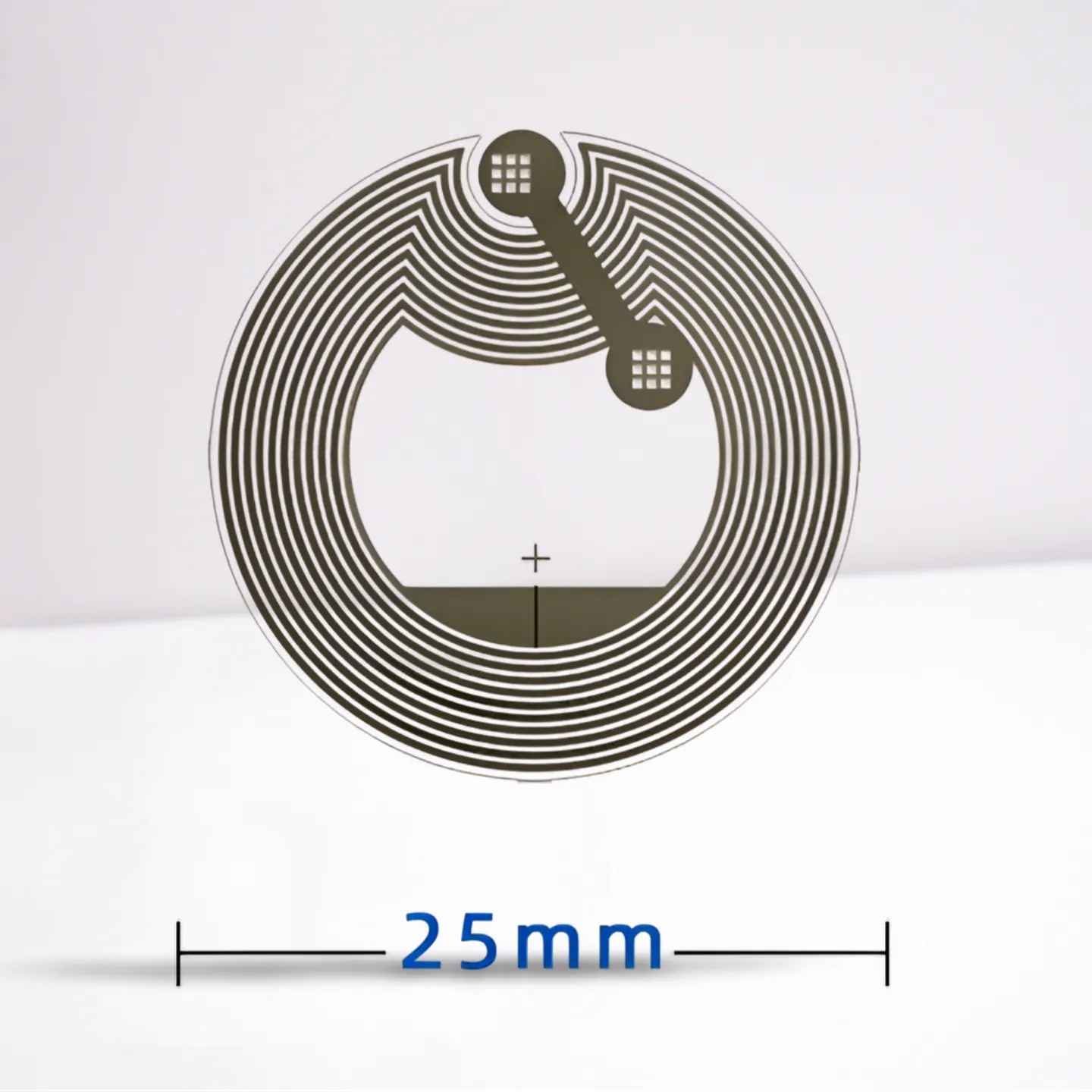
379.png)