
D.O RFID TAG company is a RFID card manufacturers & factory, professional RFID card manufacturers , NFC tags suppliers and RFID Wristband company in shenzhen china for 15 years — Source Quality Products and Enjoy Efficient Service.
Introduction
In 2025, the utilization of RFID tags on clothes has witnessed a remarkable upsurge across the global clothing industry. These smart clothing tags, which are essentially a form of RFID tags, have emerged as a transformative force, reshaping multiple aspects of the clothing value chain. From the bustling floors of retail stores to the organized chaos of industrial laundries, RFID tags on clothes are playing pivotal roles.
In retail, they have become an essential tool for inventory management. Store managers can now rely on real-time data provided by these tags to ensure that the right products are always on the shelves, reducing the instances of out-of-stock items and overstocking. This not only improves the shopping experience for customers but also streamlines the operations of the store, leading to increased efficiency and potentially higher profits.
Inventory management is not the only area where RFID tags on clothes are making a difference. They are also proving to be highly effective in anti-theft measures. By integrating RFID technology with security systems at store entrances, retailers can detect any attempt to steal tagged items, thereby significantly reducing inventory losses. This added layer of security provides peace of mind to store owners and helps maintain the integrity of the inventory.
Furthermore, in the context of industrial laundries and textile management, RFID tags on clothes enable precise tracking of garments. This is particularly crucial for establishments such as hotels, hospitals, and uniform rental companies. By tagging each item, they can monitor the movement of clothes through the laundry process, ensuring that nothing gets lost or damaged. This not only saves costs associated with replacing lost items but also improves the overall service quality.
The rapid growth of RFID tags on clothes can be attributed to their ability to offer solutions to long-standing challenges in the clothing industry. They simplify complex processes, enhance accuracy, and provide valuable data insights. As we delve deeper into 2025, it becomes increasingly evident that these smart clothing tags are not just a passing trend but a fundamental part of the modern clothing industry's infrastructure, with their influence set to expand even further in the coming years.
RFID, short for Radio Frequency Identification, is a technology that has been making waves in various industries, and the clothing sector is no exception. At its core, RFID technology enables the identification and tracking of objects through the use of electromagnetic fields. It operates on a relatively simple principle: tags, which are attached to or embedded within objects, communicate wirelessly with readers.
These tags contain electronically stored data, and when in the proximity of an RFID reader, they can transmit this data. The beauty of RFID technology lies in its non-contact nature. Unlike traditional barcode systems that require a direct line of sight for scanning, RFID tags can be read even when they are not in clear view, as long as they are within the reader's range. This makes the process of identification and data collection much more efficient, especially in scenarios where large volumes of items need to be processed quickly.
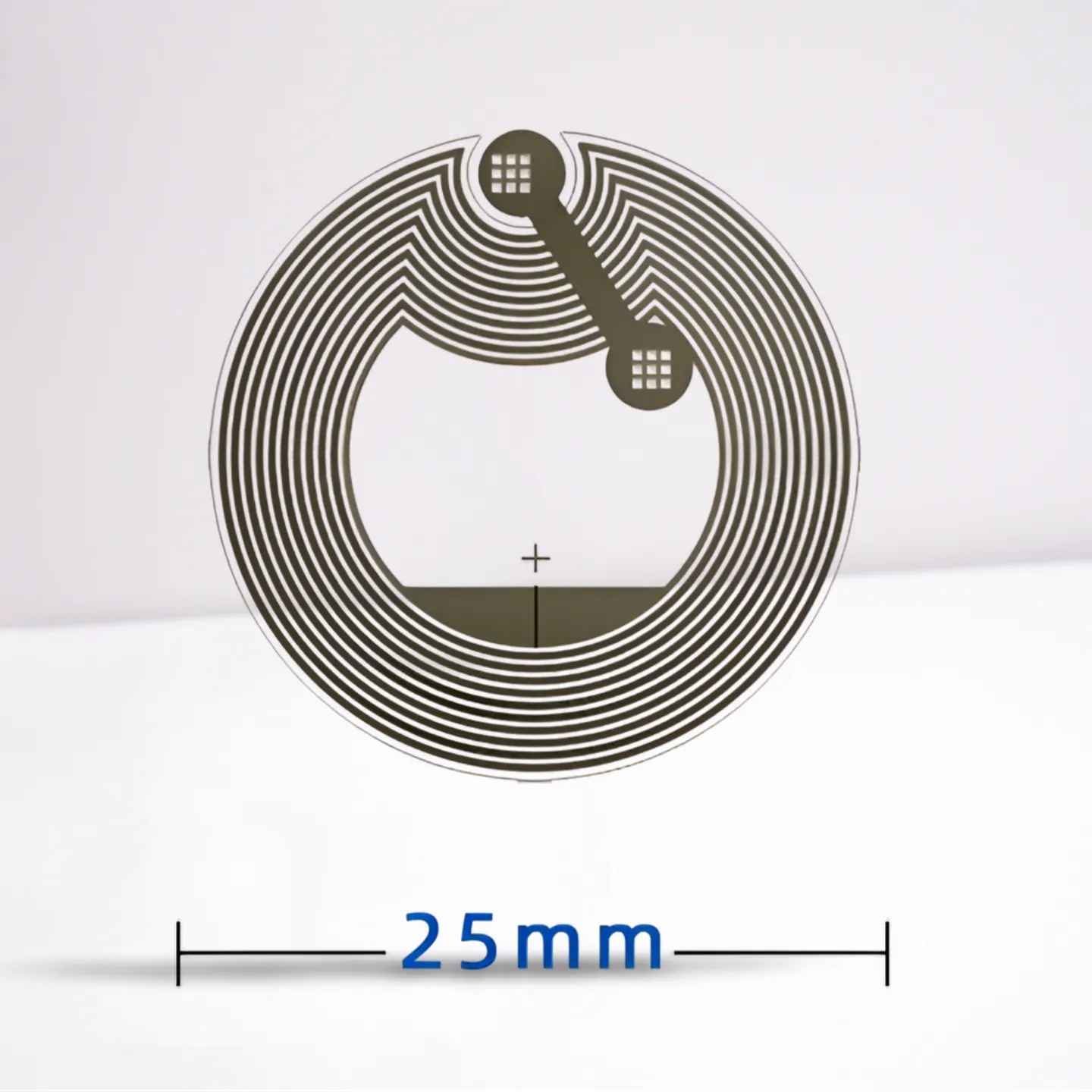
RFID tags on clothes, like all RFID tags, are composed of three main elements: the chip, the antenna, and the encapsulation material.
The chip is the brain of the tag. It is a microchip that stores the data associated with the tagged item. In the case of clothing, this data can include information such as the brand, style, size, color, manufacturing date, and even the origin of the materials used. The chip is designed to be small and energy-efficient, ensuring that it can function effectively within the constraints of a clothing tag.
Connected to the chip is the antenna. The antenna plays a crucial role in facilitating the communication between the tag and the reader. It is responsible for receiving the radio frequency signals emitted by the reader and then transmitting the data stored in the chip back to the reader. The design of the antenna is carefully optimized to ensure reliable and efficient communication, taking into account factors such as the frequency of operation and the physical environment in which the tag will be used.
Finally, the chip and antenna are encased in an encapsulation material. This material serves several purposes. Firstly, it protects the delicate electronic components of the tag from physical damage, such as scratches, impacts, and moisture. Secondly, it provides a means of attaching the tag to the clothing item. Depending on the application, the encapsulation material can be designed to be sewn onto the garment, heat-sealed, or adhered using an adhesive backing.
How RFID Tags on Clothes Work
The operation of RFID tags on clothes involves a coordinated interaction between the tag and the reader. When an RFID reader is activated, it emits radio frequency signals into its surrounding environment. These signals create an electromagnetic field.
When an RFID tag on a piece of clothing enters this electromagnetic field, the antenna within the tag picks up the signal. This signal provides the necessary energy to power the tag (in the case of passive tags, which we will discuss in more detail later). Once powered, the tag's chip retrieves the stored data and modulates the radio frequency signal it received from the reader. It then re-transmits this modified signal back to the reader.
The reader, in turn, captures this re-transmitted signal and decodes the data carried within it. This data is then processed and can be used for various purposes, such as updating inventory records in a retail store, tracking the movement of a garment through a laundry facility, or providing information to a customer in a smart shopping environment.
Why the Clothing Industry Prefers RFID over Traditional Barcodes
The clothing industry has increasingly turned to RFID tags instead of traditional barcodes for several compelling reasons.
One of the primary advantages of RFID tags is their speed of reading. While traditional barcodes require each item to be individually scanned, often one at a time, RFID readers can simultaneously read multiple tags. In a busy retail store or a large-scale laundry operation, this ability to read tags in bulk can significantly reduce the time required for inventory checks or garment tracking. For example, a store employee using an RFID reader can quickly scan an entire rack of clothes, updating the inventory in a matter of seconds, whereas the same task with barcodes would be much more time-consuming.
Accuracy is another key factor. Barcodes are prone to errors, especially if they are damaged, smudged, or not scanned properly. In contrast, RFID tags are more reliable. Since they do not require a direct line of sight for reading, there is less chance of misreads or missed scans. This higher level of accuracy helps to ensure that inventory records are always up-to-date and reliable, reducing the risk of overstocking or understocking.
RFID tags also offer greater data storage capacity compared to barcodes. A barcode can typically only store a limited amount of information, usually just a product code. In contrast, an RFID tag can store a wealth of data, including detailed product information, production history, and even usage instructions. This additional data can be extremely valuable for retailers, manufacturers, and end-users alike.
Finally, RFID technology enables real-time tracking. With barcodes, tracking the movement of an item often requires manual scanning at various checkpoints, which is time-consuming and may not provide immediate updates. RFID tags, on the other hand, can be continuously monitored as long as they are within the range of a reader. This real-time tracking capability is particularly useful in supply chain management, allowing companies to have a more accurate and up-to-date view of where their products are at any given time.
In summary, the combination of speed, accuracy, data storage capacity, and real-time tracking capabilities makes RFID tags a more attractive option for the clothing industry compared to traditional barcodes. As the industry continues to evolve and demand for more efficient and intelligent solutions grows, the adoption of RFID tags is likely to become even more widespread.
Types of RFID Tags for Clothing
Passive RFID Tags for Clothing
Characteristics
Passive RFID tags for clothing are a popular choice in the industry due to their distinct characteristics. One of the most notable features is their lack of an internal power source. Instead of relying on a battery, passive tags are powered by the radio frequency energy emitted by the RFID reader. This makes them extremely compact in size, as there is no need to accommodate a bulky battery.
The absence of a battery also contributes to their low cost. Without the need to manufacture and maintain a power source, the overall production cost of passive RFID tags is significantly reduced. This cost-effectiveness makes them an attractive option for applications where large quantities of tags are required, such as in retail inventory management or mass-produced clothing items.
In addition to their small size and low cost, passive RFID tags offer a long lifespan. Since they do not have a battery that can run out or degrade over time, these tags can remain functional for many years. This is particularly beneficial in the clothing industry, where garments may be in circulation for an extended period, and the tags need to maintain their integrity throughout multiple uses, washes, and handling.
Applications
Passive RFID tags find extensive applications in the clothing retail sector. In retail inventory management, they play a crucial role in providing real-time visibility of stock levels. Store employees can use handheld RFID readers or fixed readers installed in strategic locations within the store to quickly scan large volumes of clothing items. This allows them to accurately determine which items are in stock, their exact locations on the shelves, and when it is time to reorder.
These tags are also widely used for store security and anti-theft purposes. When a customer attempts to leave the store with an item that still has an active RFID tag, the store's security system, which is equipped with RFID readers at the exits, can detect the tag and trigger an alarm. This helps to deter shoplifting and reduces inventory losses due to theft.
Furthermore, passive RFID tags enable fast and convenient checkout processes. At the point of sale, instead of having to scan each item individually, the cashier can simply place the customer's basket or bag on an RFID-enabled checkout counter. The counter's reader can then quickly identify all the items in the basket and calculate the total amount due, significantly reducing the waiting time for customers and improving the overall shopping experience.
Common Chips
There are several common chips used in passive RFID tags for clothing. The MIFARE chip, for example, is well-known for its security features and wide compatibility. It is often used in applications where data security is of utmost importance, such as in high-end clothing stores or for tracking valuable garments.
The NTAG chip is another popular choice. It offers a good balance between performance and cost, making it suitable for a wide range of clothing applications. NTAG chips are known for their reliable data storage and communication capabilities, and they are often used in mass-produced clothing items where cost-effectiveness is a key factor.
The Monza chip is also widely used in the clothing industry. It is designed to provide high-performance in terms of read range and data transfer speed. This makes it particularly suitable for applications where tags need to be read from a relatively long distance, such as in large warehouses or during inventory audits in retail stores with large floor spaces.
Active RFID Tags for Clothing
Characteristics
Active RFID tags for clothing stand out due to their built-in power source, typically a small battery. This battery allows the tag to actively transmit its data, rather than relying solely on the energy from the reader's signal as passive tags do. As a result, active tags have a much longer read range compared to passive tags. They can be detected by RFID readers from distances of up to several hundred meters, depending on the specific model and the environment in which they are used.
This extended read range makes active RFID tags suitable for applications where the location of the tagged item needs to be tracked over a large area. For example, in a large distribution center or a multi-story department store, active tags can ensure that garments can be easily located even if they are stored in remote areas.
However, the presence of a battery also has some implications. Active tags are generally larger and more expensive to manufacture compared to passive tags. The battery not only adds to the size and weight of the tag but also requires periodic replacement or recharging, depending on the type of battery used. This can increase the overall cost and maintenance requirements associated with using active RFID tags.
Applications
One of the key applications of active RFID tags in the clothing industry is in the tracking of high-value garments. For example, luxury fashion brands may use active tags to keep a close eye on their expensive and limited-edition items. The long read range of these tags allows for continuous monitoring of the garments' location throughout the supply chain, from the manufacturing facility to the retail store and even during transportation. This helps to prevent theft and ensures that the items are always accounted for.
In industrial laundry management, active RFID tags are also finding increasing use. Laundries that handle large volumes of high-value or sensitive textiles, such as those in the hospitality or healthcare industries, can benefit from the long-range tracking capabilities of active tags. By tagging each garment, they can track its progress through the entire laundry process, from collection to washing, drying, ironing, and distribution back to the customer. This helps to improve the efficiency of the laundry operation, reduce the risk of lost or damaged items, and ensure that the right garments are returned to the right customers.
Cost and Durability Comparison
When comparing active and passive RFID tags in terms of cost, active tags are clearly more expensive. The cost of manufacturing an active tag, including the cost of the battery and the more complex electronics required for active transmission, is significantly higher than that of a passive tag. Additionally, the need to replace or recharge the battery over time adds to the long-term cost of using active tags.
In terms of durability, passive tags generally have an advantage. Since they do not have a battery that can malfunction or run out of power, passive tags are less likely to experience issues related to power failure. However, active tags can also be designed to be durable, with some models featuring ruggedized casings and long-lasting batteries. The durability of an active tag often depends on the specific application and the quality of the tag's construction.
In summary, while active RFID tags offer the advantage of long-range tracking, their higher cost and potential power-related issues need to be carefully considered when choosing the right type of tag for a particular clothing application. In many cases, a combination of active and passive tags may be used, with active tags for high-value or long-range tracking needs and passive tags for more cost-effective, short-range applications.
Washable & Laundry RFID Tags
Special Features
Washable and laundry RFID tags are specifically designed to withstand the harsh conditions of industrial washing and laundering processes. These tags are engineered to be highly resistant to heat, water, and chemical substances that are commonly used in laundry operations.
They are constructed using materials that can endure high temperatures during the washing and drying cycles. This ensures that the tag's functionality remains intact even after multiple exposures to hot water and high heat. Additionally, they are waterproof, preventing water from seeping into the tag and damaging the internal electronic components. This is crucial as clothes are often submerged in water during the washing process.
Furthermore, washable RFID tags are resistant to the various chemicals used in detergents, fabric softeners, and bleach. These chemicals can be corrosive to ordinary materials, but the tags are designed to be impervious to their effects. This chemical resistance ensures that the tags can maintain their integrity and continue to function properly throughout the lifespan of the garment.
RFID Tags on Clothes Definition Complete Guide to Smart Clothing Tags in 2025
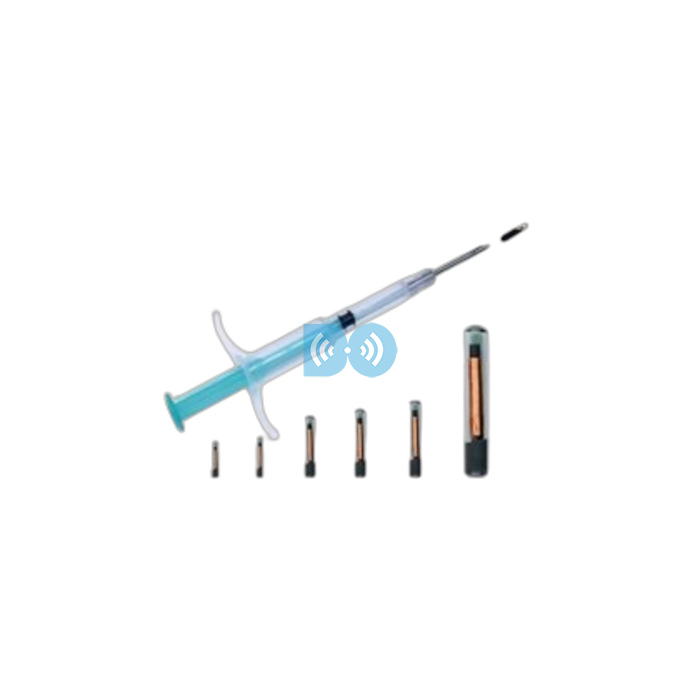
Avian Monitoring RFID Microchip for Bird Tracking
More >>
Herpetology Research PIT Tag for Reptiles and Amphibians
More >>
Laboratory Rodent Identification RFID Microchip
More >>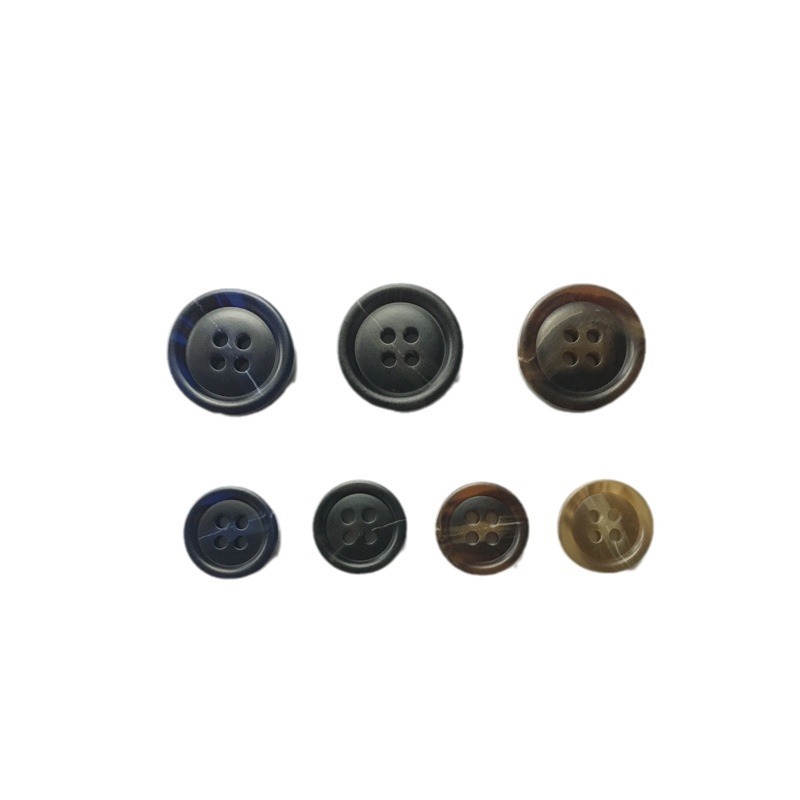
Durable NFC Button Tag with NTAG213 215 216. Ideal for access control, checkpoints, maintenance tracking, and authentication systems.
More >>
379.png)