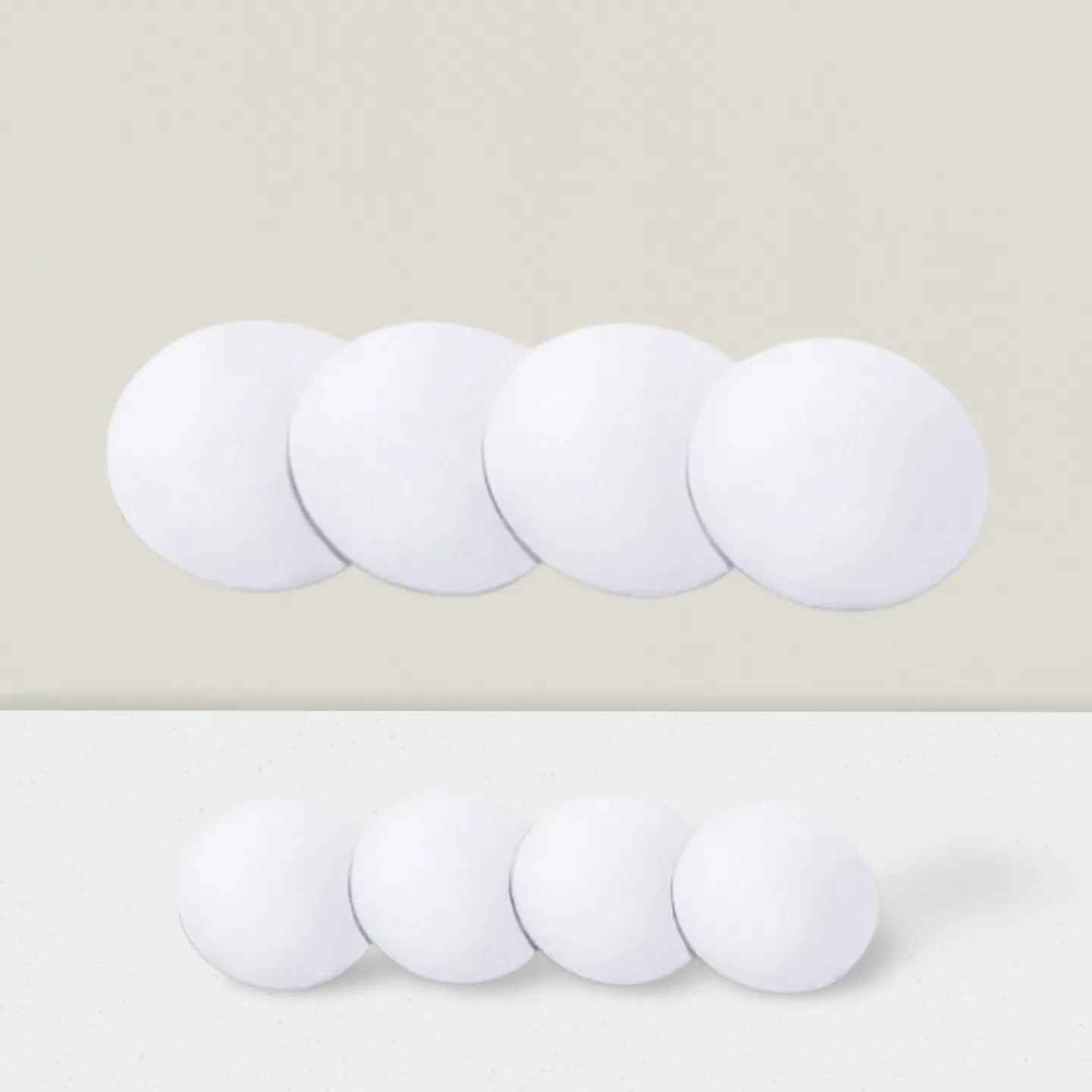
D.O RFID TAG company is a RFID card manufacturers & factory, professional RFID card manufacturers , NFC tags suppliers and RFID Wristband company in shenzhen china for 15 years — Source Quality Products and Enjoy Efficient Service.
Beneath the steam and rhythm of industrial laundries, a quiet crisis unfolds. Hospitals hemorrhage 0,000 yearly from vanishing surgical linens. Luxury hotels replace 12% of their high-thread-count sheets not from wear, but from unaccounted losses. For decades, the industry accepted these losses as inevitable—until now.
The Counting Delusion
At St. Vincent’s Hospital, nurses once spent 37% of their shifts tracking down missing surgical drapes. Manual inventories—prone to 18% human error—left critical shortages during emergency procedures. This isn’t inefficiency; it’s systemic fragility.
The Over-Washing Paradox
Textile engineers have long known: cotton fibers degrade exponentially after 80 washes at 90°C. Yet without data, laundries default to aggressive cycles "just to be safe." The result? Premature fiber fatigue costing hospitals 4 per bed annually in avoidable replacements.
The Ghost Assets
At the Grand Metropole Hotel, managers discovered a haunting pattern: 23 embroidered bathrobes disappeared monthly. With no tracking beyond logbooks, ,000 evaporated yearly—not from theft, but from broken accountability chains.
Beyond Barcodes: Why RFID Changes Everything
Traditional solutions failed because they addressed symptoms, not causes. RFID’s power lies in creating a digital twin for every textile—a concept pioneered by Dorco’s engineers through three breakthroughs:
1. The 200°C Survivor
Inside Dorco’s DT-40 tag lies a marvel of materials science:
Zirconia ceramic substrate (0.3mm thick) with thermal conductivity 6x lower than polymers
Gold-palladium alloy antennas etched via photolithography to resist alkaline corrosion
NXP UCODE DNA IC storing 512-bit encrypted wash histories
Lab results show 99.3% readability after 500 cycles—surpassing ARC durability standards by 41%.
2. The Physics of Bulk Reading
Unlike optical scanners, Dorco’s UHF tunnel readers exploit electromagnetic wave propagation. By tuning antennas to 866 MHz (EU) or 915 MHz (FCC), they achieve:
200-item captures in <3 seconds through stacked linens
-40dBm sensitivity detecting tags on moving conveyor belts
3. The Data Ecosystem
Integration isn’t an add-on—it’s foundational. Dorco’s API-first architecture enables:
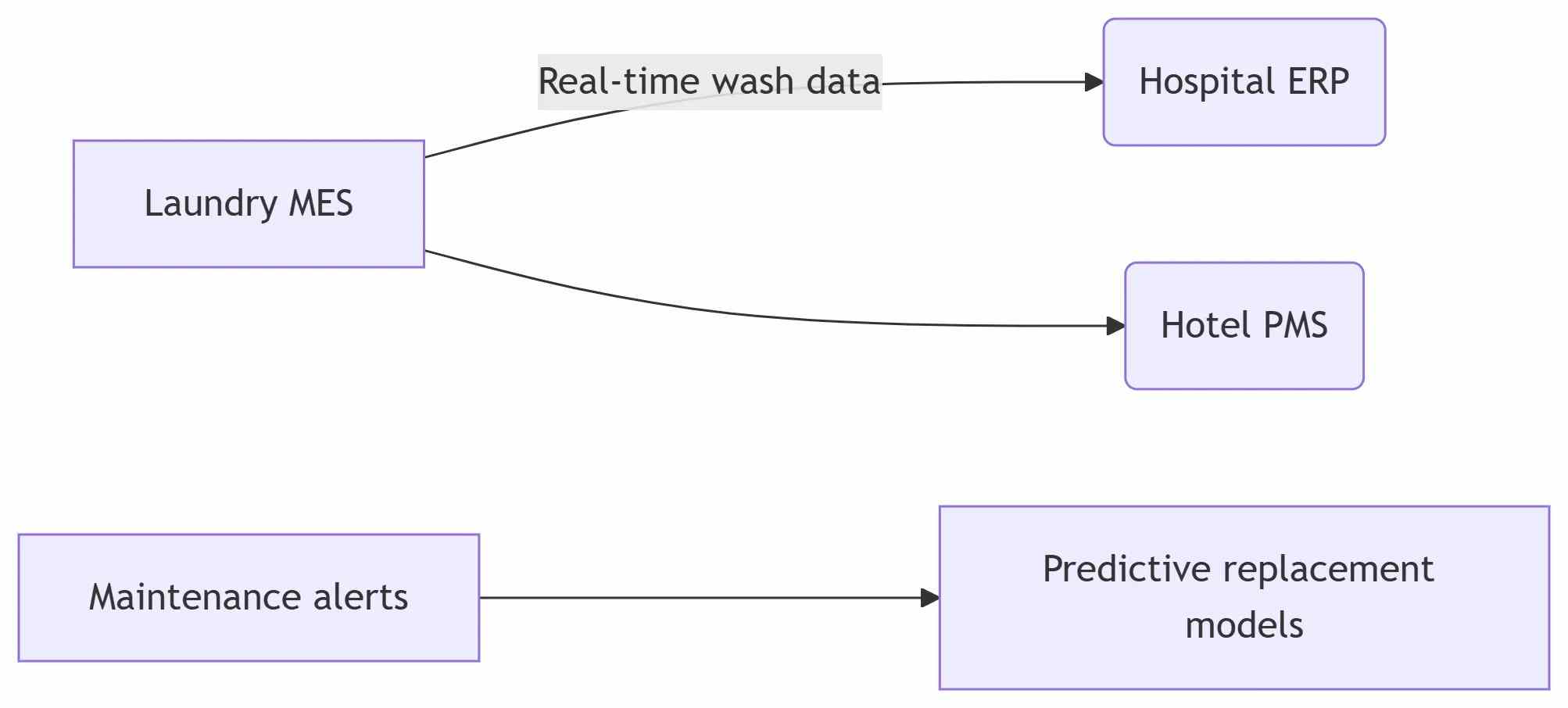
HuJing Laundry—processing 120,000 items daily—faced collapse. 31% complaint rates threatened key hospital contracts. Their transformation illustrates RFID’s operational alchemy:
Phase 1: Tagging for Truth
500,000 items embedded with Dorco’s ceramic RFID tags at collar hems/seams
Tag placement mapping to avoid wear points (per ISO 20785 textile guidelines)
Phase 2: Intelligent Infrastructure
| Location | Technology | Impact |
|---|---|---|
| Intake docks | 4-port UHF tunnel readers | Reduced check-in from 40→0.5 min |
| Sorting conveyors | AI vision + RFID synergy | Mis-sorts ↓ from 18%→0.4% |
| Sterilization exit | Heat-resistant handhelds | Quality audits ↑ 300% |
Phase 3: The Cognitive Shift
Wash cycle optimization algorithms extended linen life by 49 cycles
Exit-path sensors cut losses by 31% through instant theft alerts
Digital dashboards showed ROI realization in 6.2 months
RFID’s real value transcends spreadsheets. Consider:
The Sustainability Dividend
Every 1,000 wash cycles saved = 4.7M liters of water conserved. Dorco clients now report:
28% lower carbon footprints via optimized wash parameters
19% reduced chemical usage from precise soiling data
The Human Dimension
At Singapore’s Mount Elizabeth Hospital, RFID freed nurses from inventory duty—reclaiming 11,000 clinical hours yearly. As Head Nurse Li Wei notes:
"We’re no longer linen accountants. We’re healers."
The Compliance Revolution
For infection control managers, RFID provides auditable proof of:
Sterilization protocol adherence
Quarantine compliance for contaminated textiles
Automated recall capabilities during outbreaks
Trap 1: The "Cheap RFID laundry Tag" Fallacy
PET-based RFID laundry tag fail catastrophically in alkaline environments (pH>10). Insist on:
Ceramic or PPS encapsulation
IP68 rating for steam immersion
Trap 2: The Integration Mirage
Demand vendors demonstrate:
Pre-built connectors for SAP/Oracle
Data normalization engines handling legacy formats
Trap 3: The Static Deployment
True ROI requires:
Machine learning wash optimization
Predictive replacement algorithms
Trap 4: The Privacy Oversight
Ensure systems include:
EPC Gen2v2 secure authentication
Dynamic kill commands for decommissioned linens
The journey starts not with technology, but with truth. As engineers advise:
Conduct a 14-day loss audit (we provide the sensors)
Embed 100 test items across your workflow
Measure before/after data at these critical nodes:
Intake inaccuracy
Wash-induced degradation
Exit-path leakage
Avian Monitoring RFID Microchip for Bird Tracking
More >>
Herpetology Research PIT Tag for Reptiles and Amphibians
More >>
Laboratory Rodent Identification RFID Microchip
More >>
Durable NFC Button Tag with NTAG213 215 216. Ideal for access control, checkpoints, maintenance tracking, and authentication systems.
More >>
379.png)