D.O RFID TAG company is a RFID card manufacturers & factory, professional RFID card manufacturers , NFC tags suppliers and RFID Wristband company in shenzhen china for 15 years — Source Quality Products and Enjoy Efficient Service.
In the world of miniaturized technology—from smart wearables to tiny IoT sensors—the smallest NFC tags have become a critical component. These micro-sized tags (as small as 3x3mm) pack full NFC functionality into ultra-compact forms, making them ideal for applications where space is non-negotiable: medical devices, smart bracelets, drone components, and more. Unlike standard NFC stickers (20x20mm or larger), these tiny tags don’t compromise on performance—they still support data storage, device communication, and compatibility with all NFC-enabled phones. This guide breaks down their key features, top use cases, how to choose the right one, and how they compare to larger NFC tag models.
The smallest NFC tags (often called “micro NFC tags” or “mini NFC tags”) stand out for their size, but they also maintain core NFC capabilities. Here are the critical specs to understand:
Size Range: 3x3mm to 10x10mm (vs. 15x15mm for standard small tags)—small enough to fit on a smartwatch band, medical implant component, or drone circuit board.
Chip Options: Most use compact chips like NTAG213 (144 bytes storage), NTAG215 (504 bytes), or MIFARE Ultralight EV1—these chips are designed for miniaturization without losing read/write functionality.
Read Range: 1–3 cm (same as standard NFC tags)—enough for tapping with a phone, even in tight spaces.
Durability: Many are made of ceramic or ultra-thin PET—resistant to moisture, temperature changes, and physical stress (critical for medical or industrial use).
Compatibility: Works with all NFC-enabled devices (iPhones 7+, Android phones)—no special hardware needed to read or program.
If you’re comparing chip options, our ntag215-vs-NTAG213 page breaks down how NTAG215 (more storage) and NTAG213 (smaller chip, lower cost) perform in miniaturized applications—helping you pick the right core for your needs.
The smallest NFC tags solve unique problems in industries where “smaller is better.” Below are the most common applications:
How They’re Used: Embed micro NFC tags into medical devices like glucose monitors, hearing aids, or implantable sensor components. Encode data like device serial numbers, calibration dates, or patient IDs—doctors tap with a phone to access critical info without bulky barcode scanners.
Example: A glucose monitor manufacturer uses 5x5mm NTAG213-based tags—techs tap the monitor to confirm it’s calibrated, reducing paperwork and error rates by 40%.
Key Requirement: Biocompatible materials (e.g., ceramic) and resistance to sterilization processes (autoclaving, chemical cleaning)—the smallest NFC tags meet ISO 10993 standards for medical use.
How They’re Used: Integrate tiny NFC tags into wearable bands (e.g., fitness trackers, smart watches) for quick pairing, data syncing, or contactless payments. Users tap the band to their phone to connect devices or view workout summaries—no need for Bluetooth pairing menus.
Example: A fitness brand adds 4x4mm NTAG215 tags to its smart bracelets—users tap to sync workout data to their phone in 2 seconds (vs. 30 seconds for Bluetooth pairing).
Why Size Matters: Wearables prioritize slim, lightweight designs—standard NFC tags would add bulk; micro tags fit without compromising comfort.
How They’re Used: Attach micro NFC tags to small IoT sensors (e.g., temperature sensors for HVAC) or drone components (e.g., propellers, batteries). Encode device IDs, firmware versions, or maintenance schedules—technicians tap to troubleshoot or update firmware.
Example: A drone manufacturer uses 3x3mm tags on propellers—if a propeller fails, techs tap to pull up its production batch and replacement part number, cutting repair time by 25%.
Environmental Benefit: The smallest NFC tags are lightweight, so they don’t add extra weight to drones (critical for flight efficiency) or small IoT devices (which run on batteries).
How They’re Used: Embed micro NFC tags into small luxury items like jewelry, watches, or high-end cosmetics. Encode authenticity data—consumers tap to verify the item isn’t counterfeit (e.g., a 5x5mm tag inside a watch band links to the brand’s authentication portal).
Why It Works: Counterfeiters can’t easily replicate micro NFC tags (they require specialized manufacturing), and the tiny size means they’re hidden from view—no impact on the product’s design.
Not all small NFC tags are the same—use these criteria to pick the right one for your application:
Tiny (3x3mm to 5x5mm): Use chips like NTAG213 (144 bytes) or MIFARE Ultralight (64 bytes)—best for simple data (serial numbers, basic URLs). Ideal for medical devices or drones where every millimeter counts.
Small (6x6mm to 10x10mm): Support NTAG215 (504 bytes) or NTAG216 (888 bytes)—enough for more complex data (patient info, firmware links). Great for wearables or luxury goods.
Tip: If you need more storage but can’t go larger, our ntag215-vs-NTAG216 page shows how NTAG215 balances storage and size for most mini applications.
Ceramic: Best for harsh environments (medical sterilization, industrial IoT)—resists high temperatures (up to 200°C) and chemicals. More expensive (\(0.50–\)1.00 per unit) but long-lasting (5+ years).
Thin PET: Ideal for wearables or consumer goods—flexible, lightweight, and cheaper (\(0.20–\)0.50 per unit). Water-resistant but not suitable for high-heat use.
Metal-Compatible: For IoT devices with metal casings, choose anti-metal micro NFC tags (they have a special layer to avoid signal interference). See our ntag215-nfc-tags-anti-metal page for similar anti-metal technology in slightly larger tags.
Most smallest NFC tags have a 1–3 cm read range—enough for tapping with a phone. If you need longer range (e.g., scanning a drone component from 5 cm away), look for tags with optimized antennas (adds \(0.10–\)0.20 per unit but extends range to 4–5 cm).
Small Batches (100–500 units): \(0.30–\)1.00 per unit (higher cost due to specialized manufacturing).
Bulk Orders (1,000+ units): \(0.15–\)0.60 per unit (suppliers offer discounts for large volumes).
Note: The smallest NFC tags cost 2–3x more than standard tags (due to miniaturization technology)—but the cost is justified for applications where size is non-negotiable.
Programming micro NFC tags is the same as standard tags—you just need to be precise when tapping (due to their small size). Here’s how:
Choose a Programming App: Use NFC Tools (iOS/Android) or TagWriter by NXP—these apps work with all small NFC tags.
Position the Tag: Place the micro tag on a flat, non-metal surface (metal interferes with signals). Use tweezers if the tag is smaller than 5x5mm (avoids losing it).
Program the Tag: Open the app → Select “Write” → Enter your data (e.g., serial number, URL) → Hold your phone’s NFC antenna (top for iPhones, back for Android) directly over the tag (since it’s small, alignment matters) until “Write Successful” appears.
Test the Tag: Tap the phone again to confirm the data is readable—if it fails, reposition the tag and try again (small tags are more sensitive to alignment).
“Can the smallest NFC tags be rewritten?” Yes—if they use rewritable chips like NTAG213 or NTAG215 (supports 100,000+ rewrites). One-time programmable (OTP) chips are also available for applications where data shouldn’t change (e.g., medical device serial numbers).
“Do they work with iPhone 15 or latest Android phones?” Yes—all modern NFC-enabled phones support micro NFC tags. The iPhone 15’s NFC antenna is still in the top edge, so align the tag there for best results.
“How do I attach the smallest NFC tags to devices?” Use ultra-thin adhesive (supplied by most manufacturers) for wearables or consumer goods; for medical devices, use biocompatible epoxy (meets ISO 10993 standards).
“What’s the difference between a 3x3mm and 10x10mm small NFC tag?” The main difference is storage and cost: 3x3mm tags use smaller chips (NTAG213, 144 bytes) and cost more (\(0.50–\)1.00), while 10x10mm tags support NTAG215 (504 bytes) and are cheaper (\(0.20–\)0.50). Use our ntag215-vs-NTAG213 page to compare chip capabilities.
Before ordering bulk smallest NFC tags, request a sample pack (5–10 units) from suppliers. Test:
Size Fit: Does the tag fit on your device (e.g., wearable band, medical component) without adding bulk?
Readability: Can you reliably read/write the tag with your target device (e.g., iPhone 14, Android tablet)?
Durability: Does it hold up to your use case (e.g., soak in water for wearables, heat test for industrial IoT)?
For sample packs or more details on micro NFC tags with NTAG213/215 chips, reference our ntag215-vs-NTAG213 and ntag215-vs-NTAG216 pages—they help you match chip performance to your miniaturization needs.
The smallest NFC tags prove that “big things come in small packages”—they enable innovation in wearables, medical tech, and IoT that wouldn’t be possible with standard-sized tags. By focusing on size, durability, and compatibility, you can integrate them into even the most space-constrained projects.
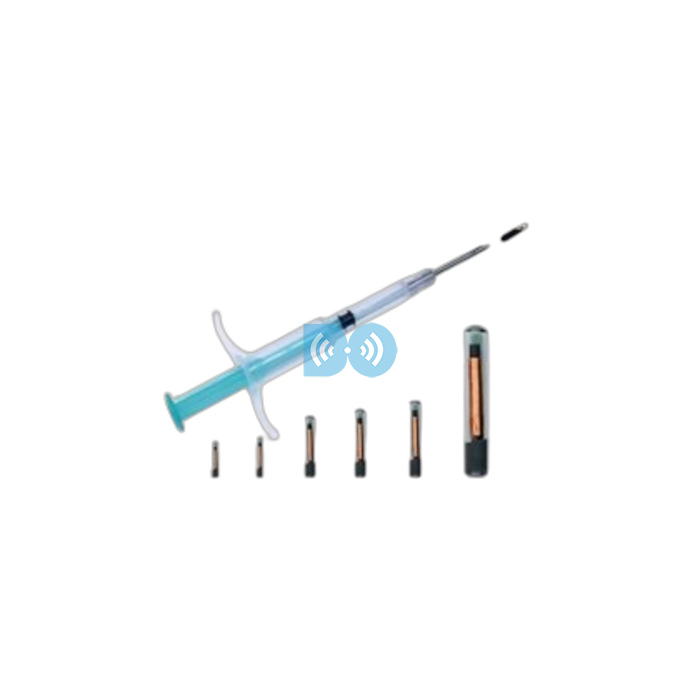
Avian Monitoring RFID Microchip for Bird Tracking
More >>
Herpetology Research PIT Tag for Reptiles and Amphibians
More >>
Laboratory Rodent Identification RFID Microchip
More >>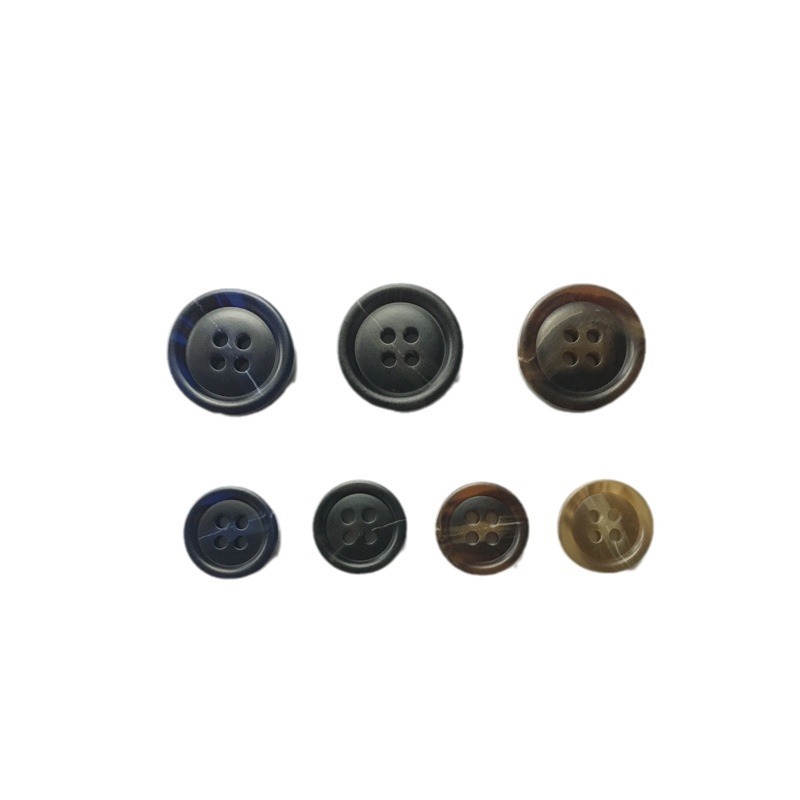
Durable NFC Button Tag with NTAG213 215 216. Ideal for access control, checkpoints, maintenance tracking, and authentication systems.
More >>
379.png)