
D.O RFID TAG company is a RFID card manufacturers & factory, professional RFID card manufacturers , NFC tags suppliers and RFID Wristband company in shenzhen china for 15 years — Source Quality Products and Enjoy Efficient Service.
In the healthcare sector, efficient management of medical device inventory is of utmost importance for ensuring patient safety and the smooth operation of medical institutions. Traditional inventory management methods often struggle to cope with the complexity of medical device inventory, leading to various problems such as device loss, expired stock, and increased costs. In recent years, the emergence of RFID (Radio Frequency Identification) technology has brought new solutions and opportunities for medical device inventory management and supply chain operations, profoundly changing the landscape of this field.
The core principle of RFID technology is to use electromagnetic fields to automatically identify and track tags attached to objects. These tags store crucial data and can be read without the need for a direct line of sight to the reader. This unique feature makes it an unparalleled advantage in modern inventory management and a key technological force driving the development of intelligent and efficient inventory management.
In practical applications, an RFID system mainly consists of tags, readers, and a data processing system. Tags are designed in various types according to different application requirements and environmental characteristics. In the field of medical device tracking, for example, there are TagMatiks autoclave-tolerant UHF RFID tags designed specifically for high-temperature sterilization environments. Such tags can withstand the high temperatures that surgical instruments and other items face during the autoclave process, ensuring the integrity and readability of the data after the rigorous disinfection process. There are also TagMatiks on-metal RFID labels customized for metal surfaces. They are specially designed to closely adhere to metal medical devices such as surgical trays and diagnostic machines, effectively overcoming the signal interference caused by metals and achieving accurate tracking and positioning. In addition, the TagMatiks Flag RFID tag, which is suitable for chemicals, liquids, and objects with round surfaces, is easy to attach and remove, making it excellent for tracking medical items with special shapes or materials and greatly expanding the application range of RFID technology in medical device tracking.
Medical device inventory management is an extremely complex task. Medical institutions usually need to manage thousands of types of medical devices, each with unique specifications, strict maintenance schedules, and complex compliance requirements. For example, an advanced X-ray machine requires professional technicians to maintain and calibrate its technical parameters according to a specific schedule while meeting the strict safety and quality standards of the medical industry. Trying to manually track and manage such a large and complex group of devices is almost an impossible task, which undoubtedly brings huge pressure and potential risks to medical management.
The cost problems caused by poor inventory management cannot be ignored. Excessive inventory ties up a large amount of capital in idle equipment, which could have been used for medical technology research and development, talent introduction, or the allocation of other critical medical resources. On the contrary, insufficient inventory may delay critical treatments for patients and even lead to medical disputes. For example, in some emergency surgeries, if key surgical instruments are not available in time due to inventory shortages, it will not only affect the smooth progress of the surgery but also pose a serious threat to the patient's life and health.
Poor tracking has triggered a series of chain reactions. Equipment expiration or loss occurs frequently. Some small but critical medical devices, such as parts of implantable medical devices, may expire and become unusable if neglected in the inventory management process, resulting in a huge waste of resources. Or they may be lost, causing the surgery to be postponed and seriously affecting the quality and efficiency of medical services. Uneven supply distribution leads to equipment shortages in some departments while idle equipment in others. This not only reduces the overall utilization rate of the equipment but also may affect the timely treatment of patients. These problems combined ultimately lead to rising medical costs and potential risks to patient safety. For example, using expired or malfunctioning equipment may cause medical accidents, and medical institutions may also face penalties for violating relevant regulatory regulations.
To implement RFID technology in medical device tracking, the first step is to conduct a comprehensive and in-depth strategic assessment of the specific needs of medical institutions. Medical institutions should analyze in detail the types of medical devices they own, their distribution, usage frequency, and the pain points and difficulties in the management process. Based on this, accurately select RFID tags that are compatible with various medical devices. For example, for surgical instruments that are frequently subjected to high-temperature sterilization, autoclave-tolerant tags must be selected. For large metal diagnostic equipment, special on-metal tags should be equipped to ensure the compatibility between the tags and the equipment and the accuracy of data reading.
Establishing a complete inventory database is a crucial step in the implementation process. This database should cover detailed information about medical devices, including device name, model, production date, expiration date, procurement source, maintenance record, department of use, and other multi-dimensional data, and ensure real-time synchronization and update with the data in the RFID tags. Through such a database, medical institution administrators can obtain comprehensive and accurate device information anytime and anywhere, providing strong support for decision-making.
Employee training is also of great importance. Medical staff, equipment management personnel, and logistics support personnel all need to be familiar with the basic principles, operation processes, and daily maintenance points of RFID technology. Only when all employees can skillfully use this technology can the advantages of the RFID system be fully 发挥 and ensure its effective operation in the medical device management process.
Seamless integration of the RFID system with existing hospital management software is also an essential step. This can achieve data sharing and interaction and avoid the emergence of information silos. For example, connecting the RFID device tracking data with the hospital's procurement management system, financial management system, and clinical medical information system can realize the informatization management of the entire process from device procurement planning, inventory management to clinical use, greatly improving management efficiency.
Before the formal full-scale promotion, pilot testing is an important guarantee for ensuring the accuracy and stability of the system. Select some departments or specific types of medical devices as pilot objects to test the performance of the RFID system in the actual operating environment and timely discover and solve possible problems such as signal interference and data reading errors. Based on the success of the pilot, gradually expand the implementation scope and continuously monitor and optimize the system's operating performance. Adjust the system parameters and management strategies according to the actual use feedback to ensure that the RFID technology in medical device tracking and inventory management always maintains a high-efficiency and accurate operation state.
RFID technology, with its automatic and real-time data collection and transmission capabilities, can accurately track medical devices, significantly reducing human errors and omissions in inventory data. Whether it is the inbound, outbound, transfer, or daily inventory of equipment, the system can automatically update inventory information, ensuring that medical institution administrators always have accurate information about the quantity, location, and status of the inventory. For example, in the drug and consumables warehouse of a large hospital, the RFID system can monitor the movement of each item in real time. When the inventory of a certain drug is lower than the preset safety threshold, the system will automatically issue a replenishment reminder, effectively avoiding stockouts or overstocking caused by human statistical errors and ensuring the timely supply of medical supplies and a reasonable inventory level.
With the help of RFID technology, every stage of the life cycle of medical devices, from raw material procurement, manufacturing, transportation and distribution, warehousing, clinical use to final disposal, can be recorded in detail and traced seamlessly. This is of crucial significance for strictly complying with medical industry regulatory standards and ensuring medical quality and safety. In the event of a medical device recall, the traceability function of the RFID system can quickly locate the batch, distribution, and usage of the problem device, notify relevant medical institutions and patients in a timely manner, minimize the recall cost and risk, and also help to identify the root cause of the problem and strengthen the quality supervision of medical device manufacturers.
By effectively reducing equipment loss and expiration waste, RFID technology helps medical institutions reduce direct material loss costs. At the same time, the automated inventory management process significantly reduces the labor costs incurred by manual inventory, data entry, and verification. For example, in a medium-sized hospital, after adopting RFID technology, the annual loss caused by poor equipment management decreased by about 30%, and the labor cost was also saved by about 20%. The saved funds can be reinvested in key areas such as improving medical services and introducing new technologies, providing strong support for the sustainable development of medical institutions.
Based on the accurate device usage data provided by the RFID system and the inventory forecast model based on big data analysis, medical institutions can formulate more scientific and reasonable procurement plans. The procurement department can clearly understand the actual consumption rate, usage frequency, and remaining service life of each device, so as to accurately determine the procurement time and quantity, avoiding blind procurement that leads to inventory overstocking or stockouts. This not only improves the efficiency of procurement funds but also ensures the timely supply of medical devices and the smooth progress of clinical medical work.
RFID technology enables medical institutions to monitor the expiration dates and usage patterns of medical devices in real time. For devices approaching expiration, the system will issue an early warning prompt, prompting managers to take timely measures for deployment or disposal to ensure that the devices are used within the expiration date. In laboratory reagent management, RFID tags can record the opening time and usage times of reagents. According to the preset expiration date and usage rules, the system will automatically remind staff to use or properly dispose of the reagents that are about to expire, effectively reducing reagent waste, improving resource utilization, and reducing medical costs.
For complex diagnostic equipment such as X-ray machines, CT scanners, and MRI equipment, RFID technology enables real-time location tracking, precise maintenance scheduling, and comprehensive usage monitoring. By installing RFID tags on the equipment, hospital administrators can know the location of the equipment at any time, avoiding the loss or misplacement of the equipment during the transfer between departments. At the same time, the system can automatically generate a maintenance plan based on the usage time and operating status of the equipment, reminding technicians to perform equipment maintenance and repair on time to ensure that the equipment is always in the best operating state, reducing the impact of equipment failures on clinical diagnosis work and optimizing the allocation and management efficiency of hospital diagnostic resources.
In surgical instrument management, RFID technology plays an indispensable role. It can accurately track the location and status of each surgical tool, from preoperative preparation, intraoperative use to postoperative cleaning and disinfection. By recording the sterilization cycle of surgical instruments, it ensures that the instruments used in each surgery have undergone strict disinfection treatment, effectively preventing cross-infection. At the same time, the system can monitor the integrity of surgical instruments in real time to prevent serious medical accidents such as instrument loss or retention in the patient's body. In addition, detailed usage records and maintenance history help analyze the wear and tear of instruments, providing a scientific basis for procurement and replacement decisions and ensuring the safety and smooth progress of surgeries.
Effective management of patient monitoring devices is crucial for monitoring patients' vital signs and timely treatment. RFID technology can track the location of monitoring devices in real time, ensuring the rational distribution and timely deployment of the devices among hospital departments. By monitoring the maintenance status of the devices, it ensures that the devices are always in normal working condition, avoiding data loss or errors caused by device failures. For example, in the intensive care unit, the RFID system can ensure the availability of electrocardiogram monitors, blood pressure monitors, and other devices and quickly issue an alarm when the devices are abnormal, notifying medical staff to handle them in a timely manner, providing a reliable guarantee for patients' life safety.
For critical therapeutic devices such as ventilators, infusion pumps, and dialysis machines, RFID tracking can effectively manage the location, usage time, and maintenance schedule of the devices. By rationally allocating device resources, it ensures that patients in different departments can obtain corresponding therapeutic device support in a timely manner. At the same time, the system can arrange equipment maintenance and repair work in advance based on the usage situation and maintenance cycle of the devices, avoiding device failures during treatment and ensuring the treatment effect and safety of patients. For example, in the nephrology department during dialysis treatment, RFID technology can ensure the normal operation of dialysis machines, improve the quality and efficiency of dialysis treatment, and extend the service life of the devices.
In the medical emergency field, time is life. RFID technology ensures the immediate availability and readiness of emergency equipment such as AEDs (Automated External Defibrillators), crash carts, and oxygen equipment. By tracking the location of the equipment in real time, emergency personnel can obtain the required equipment in the shortest time, improving the emergency response speed. At the same time, the system's monitoring and warning functions for the maintenance status of the equipment ensure that the equipment can work normally at a critical moment, providing strong support for saving patients' lives. For example, by reasonably distributing AED devices in public places and various departments of the hospital and managing them through the RFID system, when a cardiac arrest or other emergency occurs, nearby people can quickly find and use the AED device for first aid, increasing the patient's chance of survival.
In the laboratory environment, RFID technology realizes the precise tracking and management of various laboratory equipment. From high-precision testing instruments to ordinary laboratory consumables, they can all be identified and managed by RFID tags. The system can monitor the location of the equipment in real time to prevent equipment loss or misplacement. At the same time, by managing the calibration plan of the equipment, it ensures the accuracy and reliability of experimental data. For expensive laboratory tools such as gene sequencers, the application of RFID technology can effectively reduce the risk of equipment loss, improve the utilization rate and return on investment of the equipment, and ensure the smooth progress of laboratory research and diagnosis work.
Sterilization and infection control equipment is the key line of defense for medical institutions to prevent cross-infection. RFID technology monitors the performance of sterilization equipment in real time, records the operating parameters and sterilization cycles of the equipment, ensuring that each sterilization process meets the standard requirements. By tracking the maintenance status of the equipment, it ensures the normal operation of the equipment, timely discovers and solves equipment failures, and avoids the infection risk caused by the failure of sterilization equipment. At the same time, the automatically generated compliance documents help medical institutions meet the inspection requirements of regulatory departments, strengthen infection control management, and ensure the safety of the medical environment.
TagMatiks Asset Tracking, as an advanced cloud-based RFID software, provides a comprehensive and powerful solution for the management and tracking of the entire life cycle of medical devices. Its real-time data collection and transmission capabilities greatly enhance the visibility of medical device assets. Medical institution administrators can log in to the platform anytime and anywhere through a computer or mobile device to view detailed information such as the real-time location, operating status, and maintenance records of medical devices. For example, during the hospital's equipment inspection process, staff can use the TagMatiks Asset Tracking application on a tablet computer to quickly scan the RFID tag on the device, obtain the latest information of the device, and compare it with the preset standard parameters in the system to timely discover potential problems of the device. At the same time, the software's automated audit and cycle counting functions effectively reduce human input errors and improve the accuracy and efficiency of inventory management. During the equipment inventory process, the system can automatically identify unregistered or abnormally located devices and issue an alarm to notify administrators for verification and processing, ensuring the safe management and effective utilization of medical devices and ultimately improving the overall operation efficiency of medical institutions and the level of patient safety.
DO RFID Group focuses on optimizing the on-site inventory management of medical devices. It utilizes RFID technology to achieve real-time tracking of medical inventory items, ensuring the accuracy of inventory quantity and effectively reducing data discrepancies. During the medical material distribution process, distribution personnel can use the software of DO RFID Group on a handheld device to quickly scan the RFID tags on the goods, confirm the type, quantity, and destination of the goods, and realize efficient inventory verification and handover. The software also provides convenient inventory query and counting functions, helping medical institutions easily manage medical devices and materials scattered in various departments or warehouses. By promoting efficient inventory inspection and reconciliation, DO RFID Group enables medical institutions to maintain operational efficiency while effectively managing on-site assets, further improving the refined level and overall management effectiveness of medical device management.
In conclusion, the application of RFID technology in medical device inventory management and supply chain is triggering a profound transformation. By improving accuracy, enhancing traceability, and increasing management efficiency, RFID technology has successfully overcome many problems of traditional management systems, opening up a more efficient, economical, and safe path for the modern development of the medical industry. Actively adopting RFID solutions, medical institutions can achieve the optimal allocation of medical resources, significantly improve the level of patient safety, and achieve sustainable success in long-term operations, injecting new vitality into the development of the medical cause. In the future, with the continuous progress of technology and the in-depth promotion of applications, RFID technology is expected to play an even more important role in the medical field, further promoting the development process of medical intelligence and informatization.
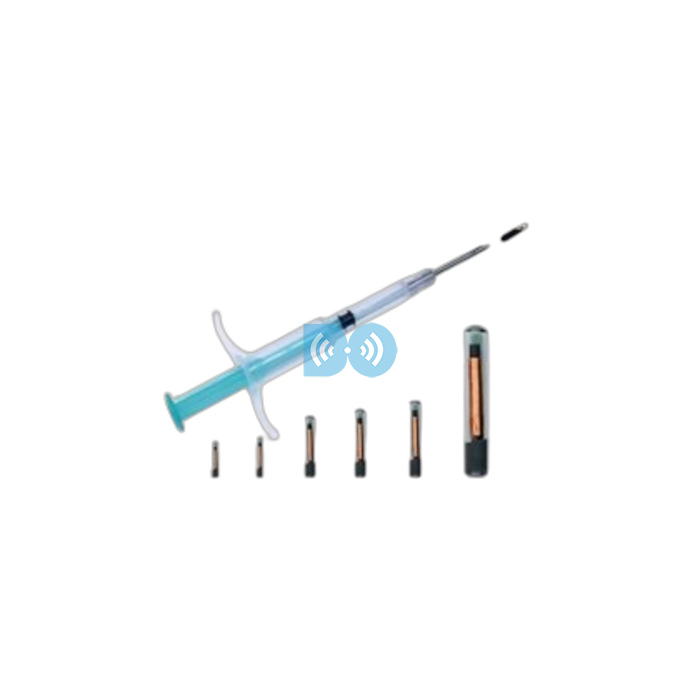
Avian Monitoring RFID Microchip for Bird Tracking
More >>
Herpetology Research PIT Tag for Reptiles and Amphibians
More >>
Laboratory Rodent Identification RFID Microchip
More >>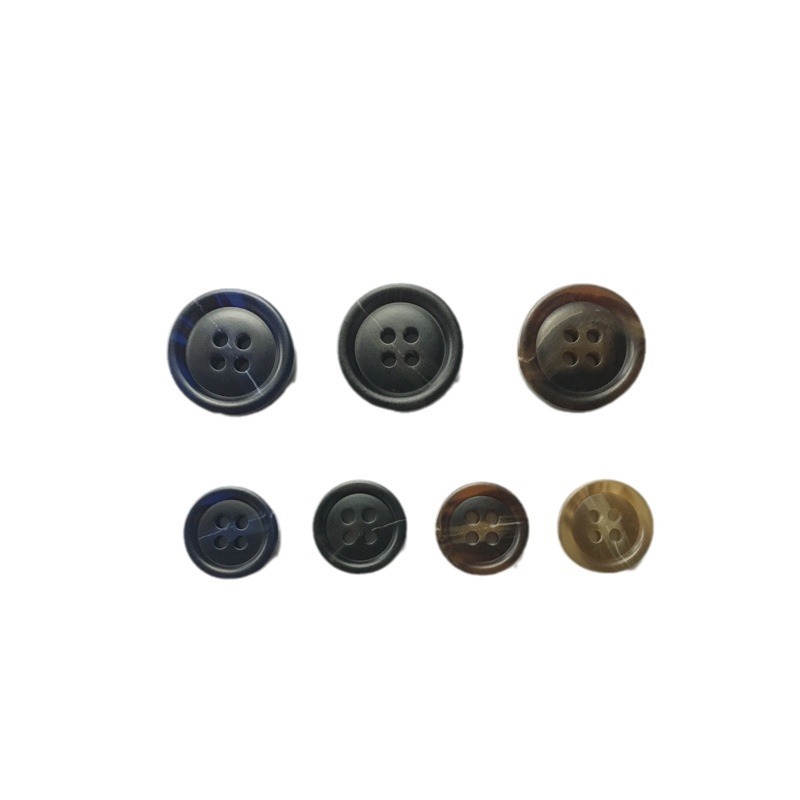
Durable NFC Button Tag with NTAG213 215 216. Ideal for access control, checkpoints, maintenance tracking, and authentication systems.
More >>
379.png)