D.O RFID TAG company is a RFID card manufacturers & factory, professional RFID card manufacturers , NFC tags suppliers and RFID Wristband company in shenzhen china for 15 years — Source Quality Products and Enjoy Efficient Service.
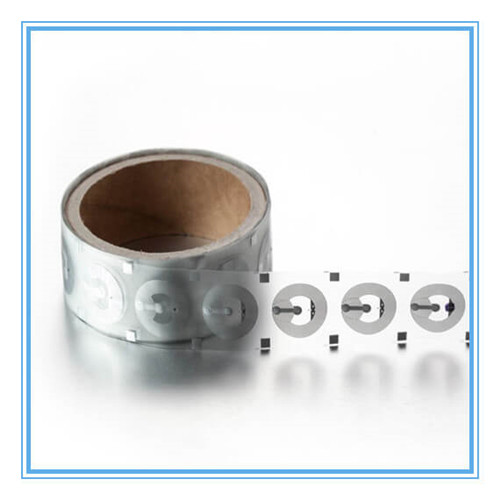
In today's rapidly evolving digital era, a plethora of wireless communication technologies have emerged. Among them, NFC (Near Field Communication) technology stands out with its unique advantages in numerous fields. NFC tags, as a crucial carrier of NFC technology, are quietly transforming our lifestyle and bringing us unprecedented convenience.
NFC technology is developed based on Radio Frequency Identification (RFID) technology. It enables short - range wireless communication between two devices through the principle of magnetic field induction. An NFC tag consists of a chip and an antenna inside. The chip is used to store data, and the antenna is responsible for communicating with external devices. When an NFC tag approaches an NFC - enabled device, the device emits a magnetic field of a specific frequency. Upon sensing this magnetic field, the antenna of the tag generates an electric current, which powers up the chip and enables it to transmit the stored data to the device.
This communication method features high speed, simple operation, and high security. Compared with traditional Bluetooth or Wi - Fi communication, NFC doesn't require a cumbersome pairing process. As long as two devices are close to each other, they can automatically connect and achieve rapid data exchange. The communication distance is usually within 10 centimeters, effectively avoiding signal interference and the risk of data leakage.
Type 1 tags are the earliest - emerging type of NFC tags. They have a relatively low cost and a small storage capacity, generally ranging from 96 bytes to 2KB. The data transfer speed of Type 1 tags is slow, and they are mainly applied in scenarios with low requirements for data volume and transfer speed, such as simple product identification and logistics tracking. For example, on the packaging of some small - sized commodities, Type 1 tags may be used to record the basic information of the products, which facilitates merchants to manage inventory and conduct sales statistics.
Type 2 tags are widely used in the market. Their storage capacity generally ranges from 48 bytes to 144 bytes, and some can be expanded to 2KB. The data transfer speed of this type of tag is similar to that of Type 1 tags, but it has better anti - collision performance. It can accurately communicate with the reader - writer device when multiple tags exist simultaneously. In the public transportation system, most common NFC transit cards use Type 2 tags. When passengers swipe their cards, even if there are other passengers swiping their cards nearby, the system can quickly and accurately identify the information of each card to ensure the smooth progress of transactions.
Type 3 tags have a relatively high cost, but their storage capacity is large, reaching 1KB to 9KB. They have a fast data transfer speed and support various encryption and authentication mechanisms, ensuring high security. Type 3 tags are mainly applied in fields with high requirements for data security and storage capacity, such as electronic payment and e - ticketing. For example, in the case of electronic payment, users can store bank card information in Type 3 tags and achieve quick payment through NFC technology. Due to its powerful encryption function, it can effectively guarantee the security of users' payments.
Type 4 tags are one of the most widely used NFC tags currently. Their storage capacity ranges from 4KB to 32KB. Type 4 tags support two standards, ISO 14443A and ISO 14443B, and have high compatibility and flexibility. Their data transfer speed is also relatively fast, which can meet the needs of most application scenarios. In access control systems, Type 4 tags are often used to make employee access cards. They can not only store employees' identity information but also record data such as employees' entry and exit times, which is convenient for enterprises to manage personnel.
Type 5 tags follow the ISO/IEC 15693 standard. Their storage capacity generally ranges from 192 bytes to 3584 bytes. Type 5 tags have a relatively low cost and a long reading distance, making them suitable for scenarios that are cost - sensitive and require long - distance identification, such as logistics warehousing management and library book management. In large - scale logistics warehouses, staff can use handheld NFC reader - writer devices to remotely read the information of Type 5 tags on goods and quickly complete the inventory and warehousing and outbound operations of goods.
NFC tags bring great convenience to the control of smart homes. Users only need to bring their NFC - enabled mobile phones close to the smart devices with NFC tags attached, and they can quickly pair and control the devices. For example, by attaching an NFC tag to a smart door lock, when users return home, they don't need to take out their keys anymore. A simple touch with the mobile phone can open the door, and at the same time, the door opening time and personnel information can be recorded. In a smart lighting system, users can set different lighting scenes through NFC tags, such as the home - coming mode, movie - watching mode, and sleep mode. With one - click switching, a comfortable home atmosphere can be easily created.
The application of NFC technology in the mobile payment field has been very mature. Mobile payment methods like Apple Pay, Samsung Pay, and domestic Alipay and WeChat Pay all support NFC payment functions. Users only need to bind their bank cards or payment accounts to their NFC - enabled mobile phones. When shopping, they can complete the payment by bringing the mobile phone close to the POS machine. The whole process is fast and convenient, without the need to enter passwords or sign, which greatly improves the payment efficiency. NFC payment also supports offline transactions and can be used normally without an internet connection, providing users with a more stable payment experience.
NFC tags bring a new interactive way to advertising and marketing. Enterprises can attach NFC tags to advertising posters and product packaging. When consumers touch the tags with their mobile phones, they can obtain product information, preferential activities, video introductions, and other content, achieving in - depth interaction with consumers. For example, a certain brand attaches NFC tags to the promotional posters of its new mobile phones. After consumers touch the tags, they can not only learn about the detailed parameters and functions of the mobile phones but also participate in online lucky - draw activities, which greatly increases consumers' participation and purchase intention.
In the medical and health field, NFC tags can be used for patient identification, drug traceability, and medical equipment management. Hospitals can provide patients with bracelets with NFC tags. Medical staff can quickly obtain patients' medical records, examination reports, and other information by reading the information on the bracelets, improving the efficiency of medical services. In drug management, by pasting NFC tags on drug packaging, the whole - process traceability of drugs from production, circulation to sales can be realized, ensuring the quality and safety of drugs.
NFC tags also have broad application prospects in the education field. Schools can use NFC tags to achieve functions such as student attendance management and library book borrowing management. Students only need to wear student ID cards with NFC tags. When entering or leaving the campus or borrowing books, they can complete relevant operations through sensing devices, which is convenient and fast. At the same time, NFC tags can be combined with teaching equipment to provide students with a more diverse learning experience. For example, by attaching NFC tags to interactive whiteboards, students can obtain course materials, homework, and other information by touching the tags with their mobile phones, realizing mobile learning.
Different application scenarios have different requirements for NFC tags. If it is used for simple information storage and reading, such as product promotion and event check - in, choosing Type 1 or Type 2 tags with a lower cost and a smaller storage capacity is sufficient. If it is used for scenarios with high requirements for security and storage capacity, such as mobile payment and access control systems, Type 3 or Type 4 tags are needed. If it is used for scenarios that are cost - sensitive and require long - distance identification, such as logistics warehousing management and library book management, Type 5 tags are more suitable.
Determine the required storage capacity and data transfer speed according to actual needs. If a large amount of data, such as high - definition pictures and videos, needs to be stored, tags with a large storage capacity should be selected. If high - speed data transfer is required, such as real - time data transfer and fast payment, tags with a fast data transfer speed should be chosen.
Ensure that the selected NFC tags are compatible with the devices to be used to avoid incompatibility issues. At the same time, for applications involving sensitive information, such as mobile payment and identity identification, pay special attention to the security of the tags. Choose tags with encryption and authentication functions to ensure data security.
On the premise of meeting application requirements, consider the cost of the tags. The costs of different types of NFC tags vary greatly. When choosing, comprehensively consider the budget and actual needs to select tags with high cost - effectiveness.
With the continuous progress of science and technology, the storage capacity, data transfer speed, and security of NFC tags will continue to improve, and the cost will be further reduced. In the future, NFC tags may support more functions and application scenarios, bringing users a more convenient and efficient experience.
NFC tags will be deeply integrated with technologies such as the Internet of Things, artificial intelligence, and blockchain to expand application fields. For example, in an IoT - based smart home system, NFC tags can serve as the identity identification and control entrance of devices. Combined with artificial intelligence technology, intelligent control and personalized services of home devices can be realized. Combined with blockchain technology, the secure storage and sharing of data can be achieved, improving the credibility and security of data.
NFC tags will be applied in more fields, such as intelligent transportation, intelligent retail, and intelligent agriculture. In the intelligent transportation field, NFC tags can be used for vehicle identification, electronic toll collection, and parking lot management. In the intelligent retail field, NFC tags can realize functions such as self - checkout of commodities, inventory management, and consumer behavior analysis. In the intelligent agriculture field, NFC tags can be used for agricultural product traceability, agricultural equipment management, and environmental monitoring.
As a wireless communication technology with broad application prospects, NFC tags are profoundly changing our lives and work. By deeply understanding the basic principles, type characteristics, application scenarios, and selection methods of NFC tags, we can make better use of this technology to bring more convenience and value to our lives and work. With the continuous development and innovation of technology, it is believed that NFC tags will play an even more important role in the future and create a more wonderful digital life for us.
Herpetology Research PIT Tag for Reptiles and Amphibians
More >>
Laboratory Rodent Identification RFID Microchip
More >>
Salmon and Trout Telemetry PIT Tag for River Monitoring
More >>
ICAR Registration RFID Tag for Livestock and Veterinary Use
More >>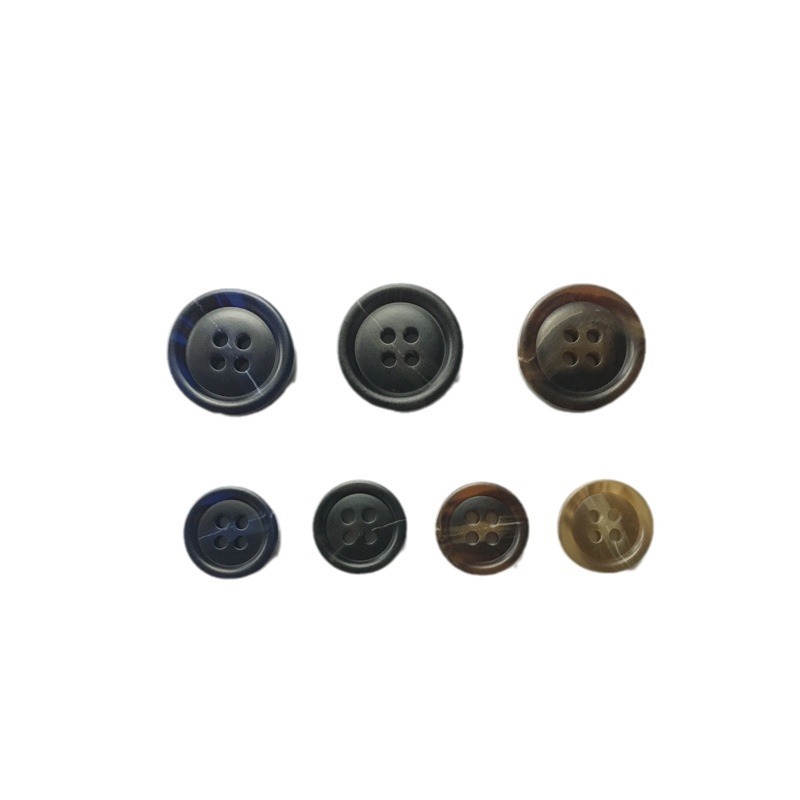
Durable NFC Button Tag with NTAG213 215 216. Ideal for access control, checkpoints, maintenance tracking, and authentication systems.
More >>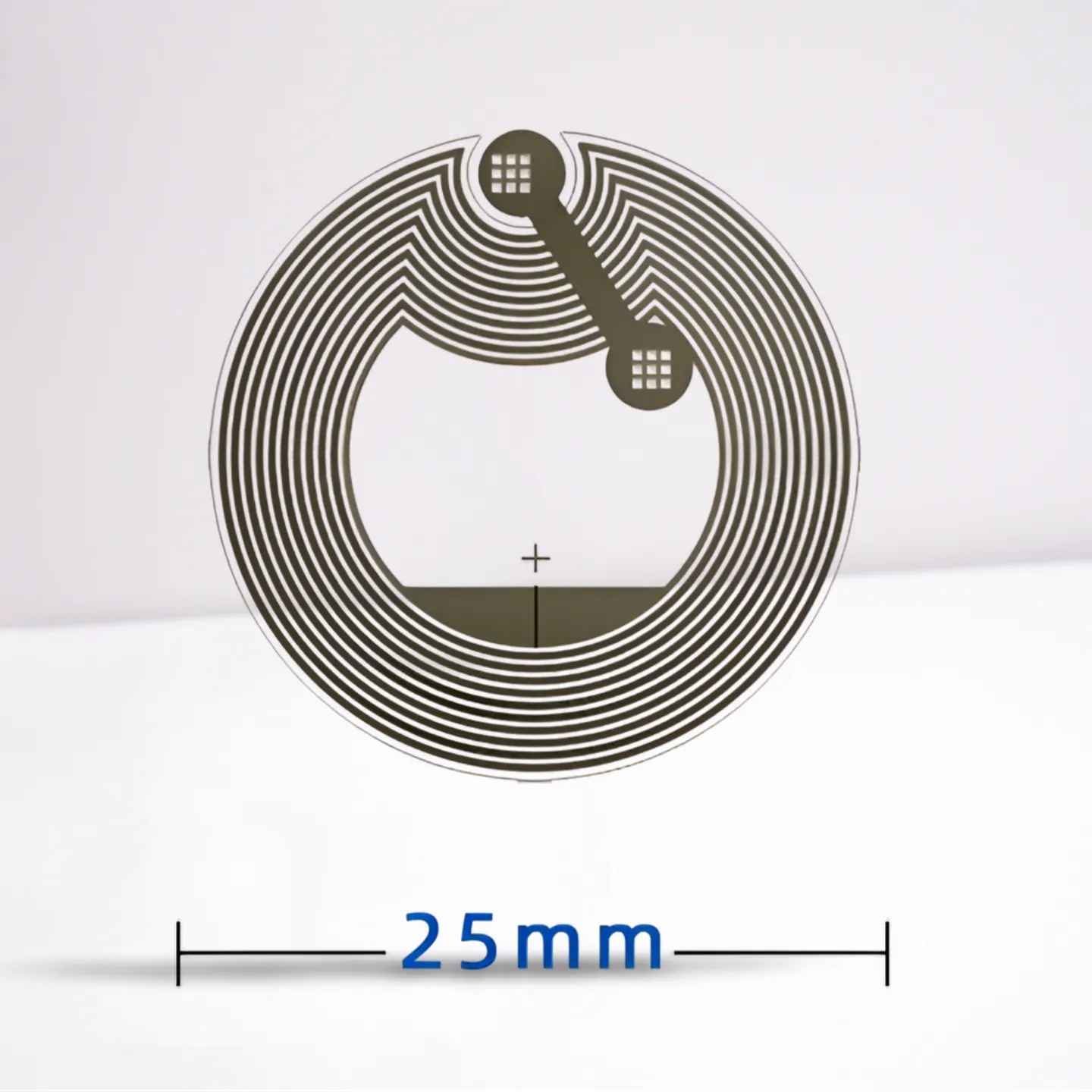
379.png)