D.O RFID TAG company is a RFID card manufacturers & factory, professional RFID card manufacturers , NFC tags suppliers and RFID Wristband company in shenzhen china for 15 years — Source Quality Products and Enjoy Efficient Service.
A pet microchip is a small electronic RFID device—about the size of a grain of rice—implanted under the skin of dogs, cats, and other pets.
A pet microchip is a small electronic RFID device—about the size of a grain of rice—implanted under the skin of dogs, cats, and other pets.
It stores a unique 15-digit identification number, which can be read by an animal microchip scanner.
Microchips are not GPS trackers.
They are passive RFID tags used for pet identification, helping veterinarians, shelters, and owners verify a pet’s identity and return lost animals to their homes.
A microchip provides permanent and tamper-proof identification. Unlike collars and tags, it cannot fall off or be removed.
Pet microchip identification helps with:
Lost pet recovery
Ownership verification
Veterinary and medical record management
International pet travel
Breeder and shelter animal tracking
Today, microchipping is required or recommended in many countries as part of responsible pet ownership.
A typical pet microchip contains:
A small FDX-B 134.2 kHz microchip
A copper antenna coil
A bioglass housing (safe, medical-grade)
Optional anti-migration coating
A unique ID number programmed inside
Most microchips are 1.4×8mm or 2.12×12mm, designed to be safe and comfortable for animals.
If you're wondering how pet ID microchip works, the technology is very simple.
The scanner activates the microchip using 134.2 kHz radio waves.
The chip returns a 15-digit ISO11784/11785 code.
This number is then checked in a pet microchip database to match the pet with its registered owner.
The microchip has no battery and lasts for 20–50 years, making it a lifelong identification solution.
Microchips are usually implanted:
Dogs & cats: under the skin between the shoulder blades
Rabbits & small animals: mid-scapular area or lateral flank
Other species: depends on veterinary practice
The procedure is quick and similar to a vaccine injection.
Most pets feel only a brief moment of discomfort, similar to vaccination.
Veterinarians use a single-use sterilized syringe to inject the chip beneath the skin.
The process takes 2–3 seconds and does not require anesthesia in most cases.
No — but most countries use ISO11784/11785 FDX-B microchips, which offer:
Global compatibility
High read sensitivity
International standards
Stable long-distance scanning
Other types exist (like EM4305 or HDX), but FDX-B is the most widely used for pets.
A pet microchip can last up to 50 years, much longer than any animal’s lifespan.
Since it has no battery or moving parts, it will not wear out.
This is one of the most common questions.
They do not have GPS or real-time location capabilities.
A microchip only stores an ID number that can be read when the pet is scanned.
After implantation, the microchip must be registered in a pet ID database with:
Pet owner name
Address & phone number
Pet name, breed, color
Microchip number
This allows shelters or vets to contact the owner if a lost pet is found.
Pricing varies by country, but generally:
Clinic fee: –
NGO event: sometimes free or discounted
Bulk cost for distributors: varies by quantity and chip model
Microchipping is a one-time cost with lifelong benefits.
A pet microchip is a safe, permanent, and reliable identification solution that helps reunite lost pets with their families.
Understanding how pet microchip identification works is the first step for responsible pet ownership.
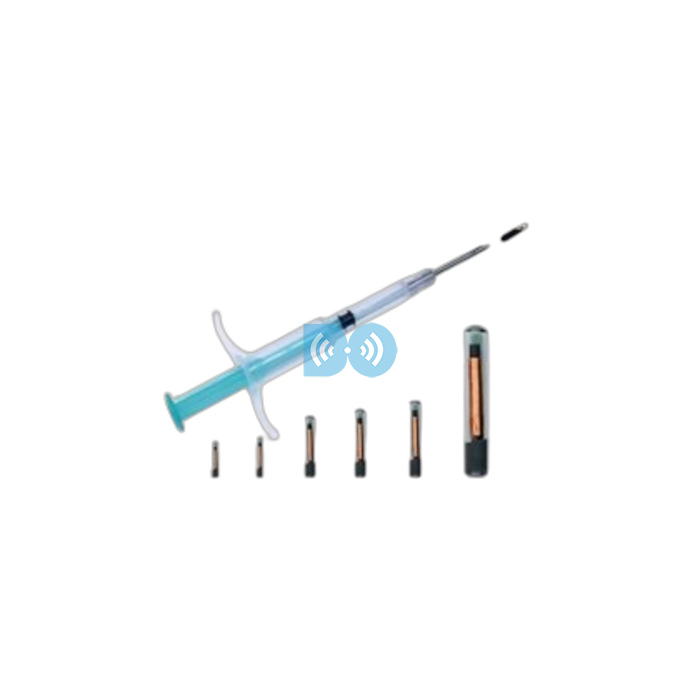
Avian Monitoring RFID Microchip for Bird Tracking
More >>
Herpetology Research PIT Tag for Reptiles and Amphibians
More >>
Laboratory Rodent Identification RFID Microchip
More >>
Durable NFC Button Tag with NTAG213 215 216. Ideal for access control, checkpoints, maintenance tracking, and authentication systems.
More >>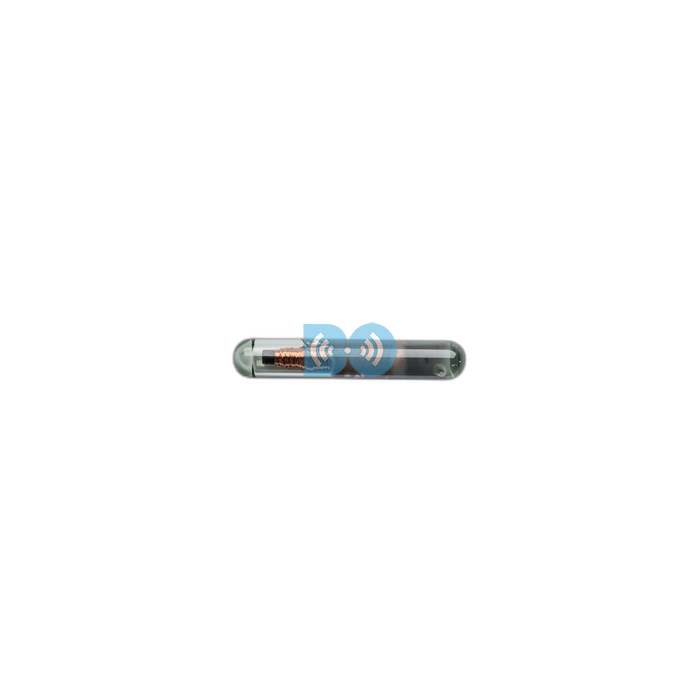
379.png)