D.O RFID TAG company is a RFID card manufacturers & factory, professional RFID card manufacturers , NFC tags suppliers and RFID Wristband company in shenzhen china for 15 years — Source Quality Products and Enjoy Efficient Service.
This guide explains what FDX-B microchips are, their frequency, benefits, and the most common applications.
FDX-B microchips are the global standard for identifying dogs, cats, and small animals.
They operate at 134.2 kHz and follow the ISO 11784/11785 specifications, ensuring every chip is readable by veterinary and international scanners.
If you're choosing microchips for veterinary clinics, shelters, pet registration projects, or government tenders, understanding FDX-B technology is essential.
This guide explains what FDX-B microchips are, their frequency, benefits, and the most common applications.
An FDX-B (Full Duplex B) microchip is a passive RFID transponder used for permanent pet identification.
It contains a unique 15-digit ISO ID number, which can be read by all universal 134.2 kHz microchip scanners.
FDX-B is the only technology approved internationally for companion animals.
ISO 11784: Defines ID code structure
ISO 11785: Defines technology & reading protocol
Frequency: 134.2 kHz
Chip Type: Passive RFID (no battery)
FDX-B chips activate only when scanned, making them safe, durable, and maintenance-free.
The 134.2 kHz frequency is chosen specifically for animal tissue environments.
It provides:
Strong penetration through muscle and fat
Stable communication even with movement
Consistent read performance
Low energy requirement
Reduced interference compared to high-frequency chips
For long-term animal identification, 134.2 kHz FDX-B microchips outperform all other RFID frequencies.
| Technology | Frequency | ISO? | Pros | Cons |
|---|---|---|---|---|
| FDX-B | 134.2 kHz | Yes | Global standard, universal compatibility, safe, stable | None for pets |
| HDX | 134.2 kHz | Yes | Longer read range (used in livestock) | Not ideal for small pets |
| 125 kHz (EM/TK chips) | 125 kHz | No | Cheap | Not readable by ISO scanners; no international use |
| HF (13.56 MHz) | 13.56 MHz | No | Larger data capacity | Poor performance inside animal tissue |
For pets, FDX-B is the only recommended and internationally accepted microchip type.
A high-quality FDX-B microchip includes:
Stores the 15-digit unique ID and performs communication.
Receives RFID energy from scanners.
Made from medical-grade Schott glass.
Helps the chip stay in place after implantation.
Used for safe implantation under the skin.
FDX-B is readable by all ISO-compliant scanners.
Animal clinics, shelters, customs, and travel agencies accept FDX-B universally.
FDX-B chips are passive and battery-free.
Lifespan: More than 20+ years (longer than a pet’s lifetime).
The bioglass capsule and anti-migration coating ensure:
No adverse reactions
Minimal movement under skin
Long-term biological safety
Each chip contains a globally unique 15-digit ID
(preferably ICAR-approved).
FDX-B performs better than HF or 125kHz chips inside animal bodies.
Mandatory for pet passports in many countries.
Dogs
Cats
Rabbits
Ferrets
Exotic pets
Lost pet identification
Medical records
Adoption programs
Required for pet passports and international movement.
Birds, reptiles, conservation projects.
Goats, sheep, poultry (in some countries).
A reader sends 134.2 kHz electromagnetic energy
The microchip antenna captures the energy
Chip activates and transmits ID back using FDX-B modulation
Reader decodes the 15-digit number
ID matches database → owner information found
Because all ISO readers follow the same protocol, reading is universal and consistent.
Buyers should verify:
True ISO11784/11785 compliance
ICAR manufacturer code
Bioglass + anti-migration coating
EO-sterilized packaging
Batch traceability
Compatible syringe options
Sample testing report
Strong factory quality control
For distributors or large projects, OEM customization is often available:
Logo
Packaging
Barcode stickers
Microchip printing
Registration database linking
FDX-B microchips have become the international standard for pet identification because they are safe, stable, universal, and long-lasting.
If you're involved in animal management, veterinary services, microchip supply, or government pet registration, FDX-B is the only globally recognized solution.
This technology ensures accurate identification, protects animals, and supports reliable tracking throughout a pet’s entire life.
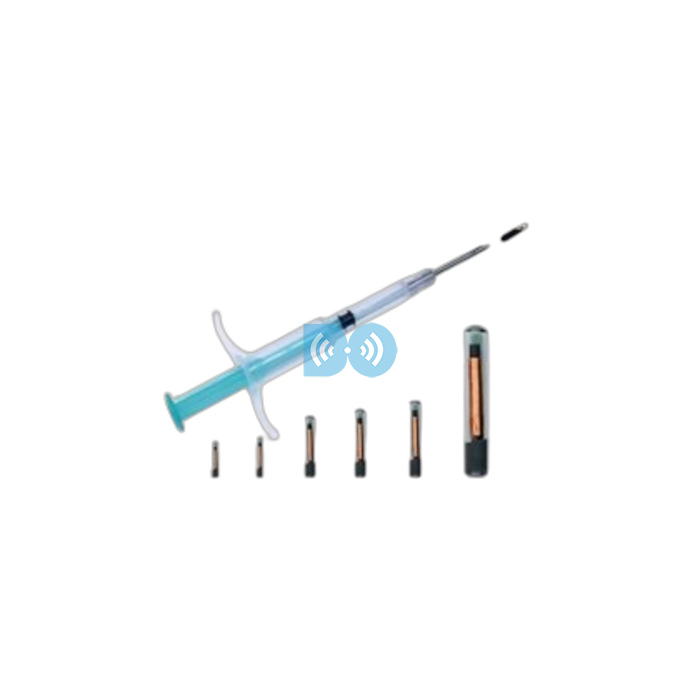
Avian Monitoring RFID Microchip for Bird Tracking
More >>
Herpetology Research PIT Tag for Reptiles and Amphibians
More >>
Laboratory Rodent Identification RFID Microchip
More >>
Durable NFC Button Tag with NTAG213 215 216. Ideal for access control, checkpoints, maintenance tracking, and authentication systems.
More >>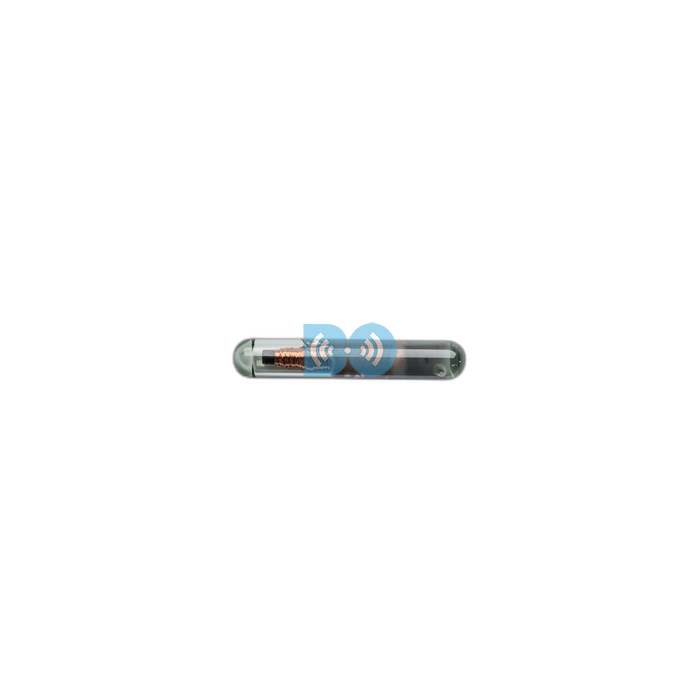
379.png)