D.O RFID TAG company is a RFID card manufacturers & factory, professional RFID card manufacturers , NFC tags suppliers and RFID Wristband company in shenzhen china for 15 years — Source Quality Products and Enjoy Efficient Service.
This guide explains what ISO 11784 and ISO 11785 microchips are, how they work, and why the 134.2 kHz FDX-B microchip has become the worldwide standard for pets.
Pet microchipping is built on two international standards—ISO 11784 and ISO 11785.
These standards define how a pet’s RFID microchip stores data and how scanners read it, ensuring global compatibility for pet identification.
If you're selecting or supplying pet ID microchips, understanding these standards is essential.
This guide explains what ISO 11784 and ISO 11785 microchips are, how they work, and why the 134.2 kHz FDX-B microchip has become the worldwide standard for pets.
ISO 11784 defines the format of the identification code stored inside the RFID microchip.
A standard ISO11784 microchip contains a 15-digit numeric ID, including:
Country / manufacturer code (3 digits, ICAR-approved)
Unique identification number (12 digits)
This ensures each chip number is globally unique and traceable.
ISO 11785 defines how RFID readers communicate with the chip, including:
Frequency (134.2 kHz)
Modulation method
Coding protocol
Activation/response behavior
ISO 11785 determines whether a reader can detect and decode the chip.
ISO 11784 = what data looks like
ISO 11785 = how the chip is read
ISO animal microchips operate at 134.2 kHz, using FDX-B (Full Duplex B) modulation.
This frequency offers:
Long read distance in animal tissue
Stable communication
Low energy requirement
Excellent anti-interference performance
Full compatibility with universal scanners
Today, FDX-B 134.2 kHz is the mandatory standard for pets worldwide, accepted by:
Veterinary clinics
Animal shelters
Border control
International pet travel agencies
WVO / ICAR animal identification systems
If a chip is not FDX-B, it cannot be recognized internationally.
| Feature | ISO 11784 | ISO 11785 |
|---|---|---|
| Defines | ID format (15 digits) | Technology & reading protocol |
| Data | Country/manufacturer code + unique ID | Frequency, modulation, timing |
| Chip type | FDX-B only | FDX-B (approved standard), also describes HDX |
| Purpose | Unique identification | Reader-chip compatibility |
| Used for pets? | Yes | Yes |
An ISO-standard pet microchip usually contains:
Stores the 15-digit code and handles communication.
Receives energy from the scanner and sends the chip’s ID back.
Protects internal components and is safe for long-term implantation.
Prevents the microchip from moving under the skin.
Used for safe implantation—must follow ISO sterile packaging standards.
Frequency: 134.2 kHz
Standard ID format
Read by all universal scanners
Required for international travel
Not commonly used for pets
Slower response time but longer read range
Requires special scanners
Cheaper
Limited compatibility
Not readable by international pet scanners
Not suitable for animal ID in most countries
For pets: Always choose ISO11784/11785 FDX-B microchips.
ISO is the technical standard, but ICAR (International Committee for Animal Recording) controls manufacturer code allocation.
An ICAR-approved microchip means:
Globally recognized manufacturer code
Compliance with ISO tests
Better data accuracy
Guaranteed ID uniqueness
Professional buyers and government tenders often require ICAR-certified suppliers.
Scanner sends a 134.2 kHz signal
Microchip coil receives energy
IC chip activates
Chip transmits its 15-digit ID using FDX-B modulation
Reader decodes and displays the ID
ID matches pet database → owner information is located
Because all ISO readers follow ISO11785 protocols, global interoperability is possible.
Government-mandated identification, pet travel, owner management.
Cattle, pigs, sheep—though HDX chips are also common.
Birds, reptiles, conservation projects.
Fast identification & medical record matching.
ISO FDX-B chips required for entry into many countries.
Buyers should check:
✔ 134.2 kHz frequency
✔ FDX-B communication protocol
✔ 15-digit ISO ID
✔ ICAR manufacturer code
✔ ISO test certificate
✔ EO-sterilized packaging
✔ Anti-migration coating
✔ Universal scanner compatibility
If any of the above is missing → it may not be a true ISO/ICAR chip.
ISO 11784 and ISO 11785 define the global standard for pet RFID microchips.
They ensure every microchip has a unique ID, uses FDX-B technology, and is readable by scanners worldwide.
For pet identification, travel, veterinary use, or large-scale animal management, 134.2 kHz ISO11784/11785 FDX-B microchips are the safest and most internationally recognized solution.
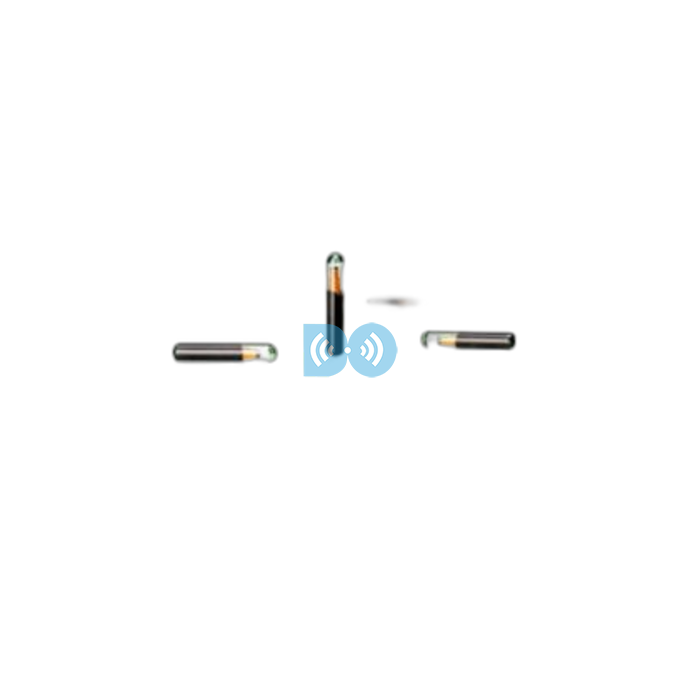
Herpetology Research PIT Tag for Reptiles and Amphibians
More >>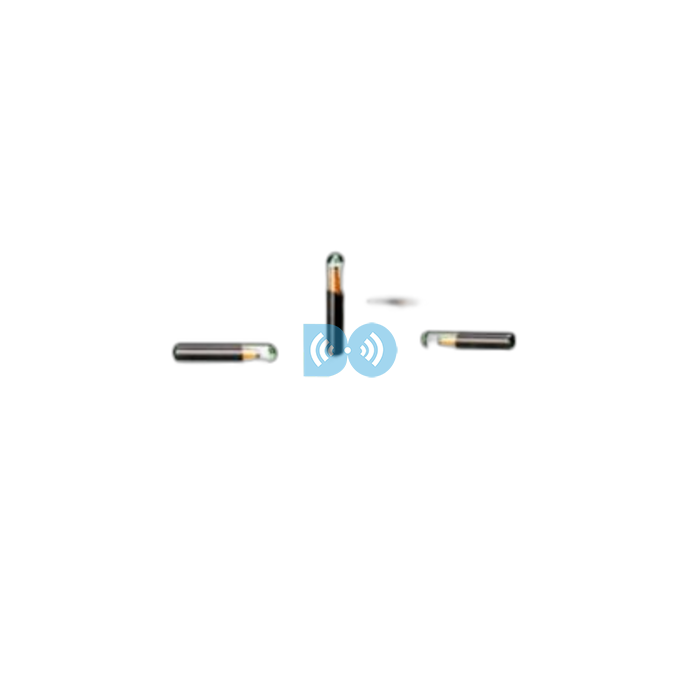
Laboratory Rodent Identification RFID Microchip
More >>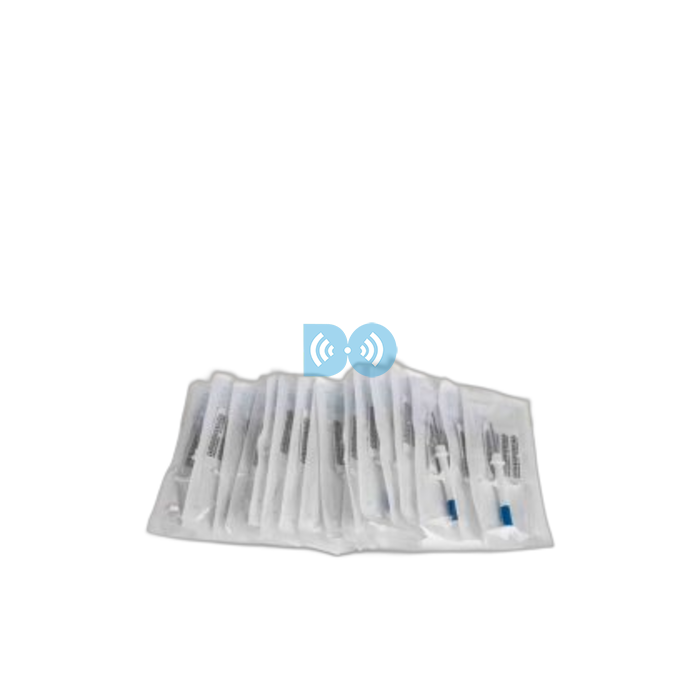
Salmon and Trout Telemetry PIT Tag for River Monitoring
More >>
ICAR Registration RFID Tag for Livestock and Veterinary Use
More >>
Durable NFC Button Tag with NTAG213 215 216. Ideal for access control, checkpoints, maintenance tracking, and authentication systems.
More >>
379.png)