D.O RFID TAG company is a RFID card manufacturers & factory, professional RFID card manufacturers , NFC tags suppliers and RFID Wristband company in shenzhen china for 15 years — Source Quality Products and Enjoy Efficient Service.
In healthcare settings, where patient safety and infection control are non-negotiable, textile management is more than just a logistical task—it’s a critical component of patient care. Hospitals process thousands of textiles daily: isolation gowns, surgical scrubs, patient bed linens, and nurse uniforms. Each item must be rigorously cleaned, sterilized, and tracked to prevent cross-contamination. Yet traditional methods—manual logging, barcode scanning, or color-coding—fall short: 1 in 5 hospitals report “critical gaps” in textile traceability, leading to potential infection risks and unnecessary replacements (costing ,000–,000 annually for a mid-sized hospital).
This is where RFID laundry tags transform hospital textile management. Designed to withstand harsh sterilization cycles (including high heat, chemicals, and autoclaving) and integrate with infection control workflows, these tags provide end-to-end visibility into every textile. From the operating room to the laundry facility, hospitals can verify that each gown or scrub has been properly sterilized, track its usage, and ensure it’s retired before wear compromises safety.
If you’re new to RFID for healthcare textiles, our foundational guide RFID Laundry Tag: The Complete Guide to Smart Textile Tracking in 2025 covers tag types, suppliers, and system integration. In this article, we’ll focus exclusively on hospital use cases: sterile tracking requirements, UHF vs. HF tag selection, and real-world results from healthcare facilities.
Hospitals face unique challenges that standard RFID tags—even those used in industrial laundries—can’t address. From strict sterilization standards to patient privacy regulations, hospital-grade RFID laundry tags must meet rigorous criteria to be effective and compliant. Below are the key differences that set them apart.
Unlike hotel or industrial textiles, hospital linens and garments undergo extreme sterilization processes to eliminate pathogens. RFID laundry tags for hospitals must withstand:
Standard silicone tags may fail after 50–100 autoclave cycles, but hospital-grade tags are tested to endure 200+ cycles while maintaining readability. For example, a 300-bed hospital in Ohio tested three tag types: standard industrial silicone, basic textile, and medical-grade silicone. The medical-grade tags retained functionality after 250 autoclave cycles, while the others failed at 80 and 60 cycles, respectively.
Hospital textiles (especially gowns and scrubs) come into direct contact with patients’ skin and open wounds. RFID laundry tags must be biocompatible—meaning they contain no toxic materials (e.g., lead, phthalates) and won’t cause skin irritation. They must also be sealed to prevent fiber shedding, which could contaminate sterile fields in operating rooms.
The International Organization for Standardization (ISO) sets biocompatibility standards for medical devices (ISO 10993), and reputable RFID suppliers test their hospital tags against these criteria. A children’s hospital in California rejected a batch of non-certified tags after testing revealed trace amounts of nickel in the tag’s adhesive—posing a risk to patients with allergies.
Hospitals handle sensitive patient information, and RFID systems must comply with regulations like the Health Insurance Portability and Accountability Act (HIPAA) in the U.S. or the General Data Protection Regulation (GDPR) in the EU. Hospital RFID laundry tags should only store non-identifiable data (e.g., garment ID, sterilization date), and the associated management software must encrypt data to prevent breaches.
For example, a hospital in New York uses RFID tags to track patient gowns, but the system links each tag only to a “garment ID” (not a patient ID). If a gown is misplaced, staff can trace its last location (e.g., “OR 3”) without accessing patient records—ensuring HIPAA compliance.
Hospitals have two main RFID frequency options for textile tracking: UHF (Ultra-High Frequency) and HF (High Frequency). The choice depends on the use case—whether you need bulk scanning for laundry batches or precise, close-range tracking for sterile garments. Below is a detailed comparison to help you decide.
UHF tags operate at 860–960 MHz and offer long read ranges (up to 3 meters) and fast bulk scanning—perfect for hospital laundry facilities processing hundreds of textiles daily.
A 500-bed hospital in Texas installed UHF readers at its laundry intake and output. The system now scans 2,000+ textiles daily in 1 hour—down from 3 hours with manual scanning. Staff no longer need to touch dirty linens to count them, and the hospital reports a 25% reduction in laundry-related staff infections.
HF tags operate at 13.56 MHz and have shorter read ranges (10–15 cm) but offer higher accuracy—critical for tracking sterile garments like surgical gowns, where precision matters more than speed.
A teaching hospital in Boston uses HF tags for surgical gowns. Each tag is encoded with the gown’s sterilization date and lot number. Before surgery, OR staff scan the tag with a handheld reader to confirm the gown is “sterile and within use-by date.” This has eliminated 100% of “expired gown” incidents and reduced OR delays by 15%.
Many hospitals use a hybrid system—UHF for laundry processing and HF for sterile garment tracking—to cover all needs. For example:
A hospital in Chicago adopted this hybrid model and saw a 35% reduction in textile loss and a 20% drop in infection rates related to improper garment sterilization.
Implementing RFID laundry tags in a hospital requires careful planning to align with infection control protocols and staff workflows. Below is a 5-step process to ensure a smooth deployment.
Start by documenting how textiles move through your hospital—from procurement to disposal. Common workflows include:
Identify pain points in this workflow. For example:
A hospital in Philadelphia discovered that 20% of its isolation gowns were “missing” between the soiled bin and laundry—this became the focus of its RFID deployment.
Choose tags and readers that meet healthcare standards:
Work with a supplier that specializes in healthcare RFID—they’ll help you avoid non-compliant products. A hospital in Miami initially ordered industrial-grade tags, which failed autoclave testing; switching to a healthcare supplier resolved the issue.
Each RFID laundry tag should store data that supports patient safety and operational efficiency. For hospitals, critical data points include:
For example, a surgical gown tag might be encoded as:
UID: HGT-78901 | Type: Surgical Gown | Sterile Date: 03/10/2025 | Method: Autoclave | Cycles: 12 | Last Location: OR 5
Ensure the RFID system supports (not disrupts) infection control:
A hospital in Seattle worked with its infection control team to develop a “scan-first” protocol for soiled linens: staff scan tags at the patient room door before placing linens in the soiled bin, eliminating the need to handle linens twice.
Hospital staff are busy—training must be concise and role-specific:
Assign “RFID champions” (staff who are enthusiastic about the system) to help peers. A hospital in Atlanta found that having OR nurses as champions reduced training time by 40% and increased adoption from 65% to 100% in 1 month.
To see the tangible benefits of RFID laundry tags in healthcare, let’s look at “Mercy Hospital”—a 400-bed acute care facility in St. Louis that implemented RFID tracking for surgical gowns and isolation gowns in 2024.
Mercy Hospital invested ,000 in a hybrid system:
Total annual savings: ,800.
ROI: 4.2x (savings vs. upfront + annual software cost).
As Mercy Hospital’s Infection Control Director, Dr. Lisa Carter, stated: “RFID isn’t just a tracking tool—it’s a patient safety tool. Knowing every gown is properly sterilized gives our team and patients peace of mind.”
Not all RFID suppliers understand healthcare needs. When choosing a partner, prioritize these criteria:
Look for suppliers with:
A hospital in Denver rejected a supplier that couldn’t provide ISO 11135 certification—their tags failed autoclave testing, which could have put patients at risk.
Hospitals have unique needs—suppliers should offer customizations like:
A children’s hospital in Boston worked with a supplier to create custom-sized HF tags for pediatric surgical gowns—standard tags were too large and uncomfortable for small patients.
Hospitals can’t afford downtime. Choose a supplier that offers:
A hospital in Chicago experienced a software glitch during peak laundry hours; their supplier resolved the issue in 30 minutes via remote support, avoiding a backup of soiled linens.
If you’re ready to improve patient safety, reduce costs, and gain visibility into your textile inventory with RFID laundry tags, follow these steps:
RFID laundry tags aren’t just an operational upgrade—they’re a way to protect patients from infection and streamline care. Contact us today to get a custom quote for hospital-grade RFID tags and software. With the right system, you could see measurable improvements in patient safety and cost efficiency within 6 months.
Avian Monitoring RFID Microchip for Bird Tracking
More >>
Herpetology Research PIT Tag for Reptiles and Amphibians
More >>
Laboratory Rodent Identification RFID Microchip
More >>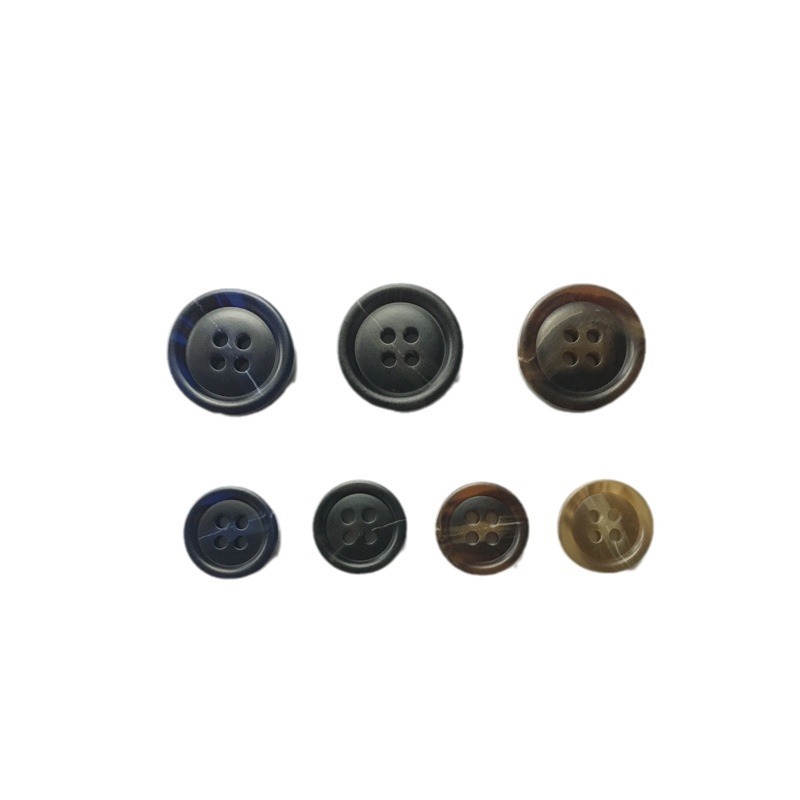
Durable NFC Button Tag with NTAG213 215 216. Ideal for access control, checkpoints, maintenance tracking, and authentication systems.
More >>
379.png)