D.O RFID TAG company is a RFID card manufacturers & factory, professional RFID card manufacturers , NFC tags suppliers and RFID Wristband company in shenzhen china for 15 years — Source Quality Products and Enjoy Efficient Service.
Retail Inventory Management
In the fast-paced world of retail, accurate and efficient inventory management is crucial for the success of any clothing store. RFID tags have emerged as a game-changer in this area, providing real-time visibility into inventory levels.
With RFID technology, retailers can instantly know which items are in stock, their exact locations on the shelves, and even the quantity of each size and color available. This is achieved through the use of RFID readers, which can be handheld devices used by store employees or fixed readers installed at key points in the store, such as at the entrance to stockrooms or on the sales floor.
When an employee scans a rack of clothes using an RFID reader, the tags on each garment transmit their unique identification numbers and other relevant data, such as product details and stock levels. This data is then instantly updated in the store's inventory management system, providing an accurate and up-to-date picture of the stock.
Zara, for example, has been a pioneer in implementing RFID technology in its stores. By tagging each item of clothing with an RFID tag, Zara has been able to achieve a significant increase in inventory accuracy. Store employees can quickly and easily conduct inventory checks, reducing the time and effort required for this task. This has also enabled Zara to respond more rapidly to customer demand. If a particular item is selling quickly in one store, the company can use the real-time inventory data to transfer stock from other stores or to reorder from the warehouse, ensuring that the item remains in stock and available for customers.
Decathlon, the sports equipment and clothing retailer, has also seen great success with RFID in inventory management. The company uses RFID tags to track its products from the warehouse to the store shelves. This has helped Decathlon to reduce out-of-stock situations, as it can quickly identify when a product is running low and take appropriate action. The real-time inventory data also allows Decathlon to optimize its store layouts, placing the most popular items in more prominent locations to increase sales.
Anti - Theft & Loss Prevention
Shoplifting and inventory loss are major concerns for clothing retailers. RFID tags offer an effective solution to these problems by acting as anti-theft devices.
Most modern clothing stores are equipped with RFID-enabled security gates at their entrances and exits. These gates consist of RFID readers that continuously emit radio frequency signals. When a customer tries to leave the store with a clothing item that still has an active RFID tag (i.e., the tag hasn't been deactivated at the checkout counter), the security gate's reader detects the tag's signal. This triggers an alarm, alerting store staff to the potential theft.
This anti-theft system is highly effective because it can detect multiple tagged items at once, unlike traditional security tags that often only work for individual items. It also eliminates the need for store employees to manually check each customer's belongings, which can be time-consuming and intrusive.
By implementing RFID-based anti-theft measures, clothing retailers have reported significant reductions in inventory losses. For instance, a study conducted by a leading retail association found that stores using RFID tags for anti-theft purposes experienced a 30-40% decrease in shoplifting incidents compared to those relying solely on traditional security methods. This not only saves retailers money by reducing the need to replace stolen items but also helps to maintain consistent inventory levels, ensuring that customers can find the products they want.
The tracking of laundries and textiles is a critical task for many businesses, and RFID tags have revolutionized this process. In hotels, for example, RFID tags are attached to bed sheets, towels, and other linens. Each tag contains unique information about the item, such as which room it belongs to, when it was last washed, and its maintenance history.
As the linens go through the laundry process, they pass through various checkpoints equipped with RFID readers. At each checkpoint, the reader scans the tags, updating the item's status in a central database. This allows hotel staff to track the progress of each linen item, ensuring that it is cleaned, dried, and folded on time. It also helps to identify any items that may have been lost or damaged during the process, enabling quick action to replace them.
Hospitals also rely heavily on RFID tags for tracking uniforms and medical textiles. Hospital staff uniforms, patient gowns, and surgical linens are all tagged with RFID tags. This ensures that these items are properly laundered to meet strict hygiene standards. The RFID system can track how many times an item has been washed, ensuring that it is replaced when it reaches the end of its useful life. Additionally, in the event of a disease outbreak, RFID tracking can help to quickly identify and isolate contaminated textiles, preventing the spread of infection.
Uniform rental companies use RFID tags to manage their large inventory of uniforms. When a customer rents a uniform, the tag is scanned to record the rental details. When the uniform is returned, another scan updates the system, indicating that the item is back in the inventory and ready for cleaning. This automated tracking process reduces the risk of human error and ensures that the rental company can efficiently manage its stock, providing a better service to its customers.
Moreover, RFID tracking systems can be seamlessly connected to ERP (Enterprise Resource Planning) systems. This integration allows businesses to have a comprehensive view of their textile inventory, from procurement to usage and disposal. The data collected by the RFID system can be used in the ERP system for forecasting, budgeting, and decision-making, improving overall operational efficiency.
RFID tags are not only beneficial for retailers and businesses but also play a significant role in enhancing the customer experience in the clothing industry. One of the most innovative applications is the use of smart mirrors in retail stores.
Smart mirrors are equipped with RFID readers and displays. When a customer tries on a clothing item with an RFID tag, the smart mirror detects the tag and displays relevant information about the item on its screen. This can include details such as the available sizes and colors, styling suggestions, and even customer reviews. Some smart mirrors can also show the customer how the item would look in different colors or with other accessories, using augmented reality technology.
This interactive experience allows customers to make more informed purchasing decisions without having to leave the fitting room or search for a store employee. It also adds an element of fun and novelty to the shopping experience, making it more enjoyable for customers.
RFID technology also enables personalized recommendations. By tracking the items that customers pick up, try on, or purchase, retailers can collect data about their preferences. This data can be used to provide personalized recommendations to customers, either through in-store displays or mobile apps. For example, if a customer frequently buys casual wear, the retailer can recommend new casual items that match their style. This personalized approach makes customers feel valued and increases the likelihood of them making a purchase.
In addition, RFID tags can help to speed up the checkout process, as mentioned earlier. This reduces the time customers spend waiting in line, improving their overall shopping experience. Customers appreciate the convenience and efficiency that RFID technology brings, making them more likely to return to the store in the future.
One of the most significant benefits of using RFID tags on clothes is the ability to achieve precise inventory management. Traditional inventory management methods, such as manual counting or barcode scanning, are prone to errors and can be time-consuming. With RFID technology, retailers can accurately count and track their inventory in a fraction of the time.
RFID readers can scan multiple tags simultaneously, allowing for quick and efficient inventory checks. This means that store employees can spend less time on inventory management and more time assisting customers. The real-time data provided by RFID tags also ensures that inventory records are always up-to-date, reducing the risk of overstocking or understocking. Retailers can use this data to make informed decisions about purchasing, pricing, and promotions, improving their overall business performance.
Implementing RFID tags on clothes can lead to significant savings in labor costs. Manual inventory counting and barcode scanning require a lot of time and effort from store employees. With RFID technology, these tasks can be automated, reducing the need for manual labor.
For example, a large clothing store that previously required a team of employees to spend an entire day conducting a physical inventory count can now complete the same task in a matter of hours with a single employee using an RFID reader. This not only saves time but also reduces the labor costs associated with inventory management. Additionally, the automation of processes such as checkout and anti-theft monitoring can further reduce the need for staff, allowing retailers to allocate their human resources to more valuable tasks, such as customer service.
RFID tags contribute to improving customer satisfaction in several ways. As mentioned earlier, the precise inventory management enabled by RFID technology ensures that customers can find the products they want in stock. This reduces the frustration of customers who come to the store only to find that their desired item is out of stock.
The faster checkout process made possible by RFID tags also enhances customer satisfaction. Customers no longer have to wait in long lines to pay for their purchases, making their shopping experience more convenient and efficient. The personalized recommendations and interactive experiences provided by RFID-enabled smart mirrors also make customers feel more engaged and valued, increasing their overall satisfaction with the store.
RFID tags can help to extend the lifespan of clothing by enabling the tracking of washing cycles. For items such as uniforms, workwear, and high-quality garments, knowing how many times they have been washed is important. Overwashing can cause damage to fabrics, leading to premature wear and tear.
By tagging these items with RFID tags, businesses can track the number of washing cycles each garment has undergone. This allows them to implement a more controlled washing schedule, ensuring that the garments are not washed more frequently than necessary. For example, a hotel can use RFID tags to track the number of times a towel has been washed and replace it when it reaches a certain number of cycles, preventing it from becoming worn out. This not only extends the lifespan of the clothing but also reduces the costs associated with replacing items frequently.
When choosing RFID tags for clothing, one of the key factors to consider is their resistance to water and high temperatures. This is particularly important for garments that will be washed frequently, such as uniforms, sportswear, and linens.
Washable and laundry RFID tags are specifically designed to withstand the harsh conditions of washing and drying. They are made from materials that are waterproof and can resist high temperatures, ensuring that they remain functional after multiple washes. For clothing items that are not intended to be washed, such as some high-end fashion pieces or accessories, water and temperature resistance may not be as critical, but it is still important to choose tags that can withstand normal handling and environmental conditions.
RFID tags for clothing use either HF (High Frequency) or UHF (Ultra-High Frequency) chips, each with its own advantages and applications.
HF chips operate at a frequency of 13.56 MHz. They have a shorter read range, typically up to a few centimeters, but offer better performance in environments with a lot of metal or water. HF tags are often used in applications where close-range reading is required, such as in smart mirrors or for tracking items in a confined space, like a fitting room. They are also more suitable for tagging small items, such as jewelry or accessories.
UHF chips, on the other hand, operate at frequencies between 860-960 MHz. They have a longer read range, up to several meters, making them ideal for inventory management in large stores or warehouses. UHF tags can be read from a distance, allowing for quick and efficient scanning of large volumes of items. They are also more cost-effective for large-scale applications, such as tagging mass-produced clothing items.
The choice between HF and UHF chips depends on the specific application and requirements. For example, if the primary use is for inventory management in a large retail store, UHF tags may be the better option. If the tags will be used in smart mirrors or for close-range tracking, HF tags may be more suitable.
RFID tags can be installed on clothing using various methods, including sewing, heat pressing, and embedding. The choice of installation method depends on the type of clothing, the tag's design, and the intended use.
Sewing is a common method for attaching RFID tags to clothing. It involves sewing the tag onto the garment, typically in a seam or hem. This method is durable and suitable for most types of clothing, including woven fabrics. Sewn tags are less likely to fall off, making them a good choice for items that will be washed frequently or subjected to a lot of wear and tear.
Heat pressing is another installation method. It involves using heat and pressure to bond the tag to the garment. This method is quick and easy, making it suitable for large-scale production. Heat-pressed tags are often used on knitwear or other fabrics that are not suitable for sewing. However, they may not be as durable as sewn tags and can be damaged if exposed to high temperatures during washing or drying.
Embedding involves inserting the RFID tag into the fabric of the garment during the manufacturing process. This method is more permanent and ensures that the tag is well-hidden. Embedded tags are often used in high-end clothing or items where the tag's appearance is important. However, this method is more expensive and requires special manufacturing processes.
When purchasing RFID tags for clothing, it is important to consider the minimum order quantity (MOQ). Different suppliers have different MOQs, which can range from a few hundred to several thousand tags. For small businesses or those with limited needs, it is important to find a supplier with a low MOQ to avoid overstocking.
Customization is another important factor. Many suppliers offer custom RFID tags, which can be designed to meet specific requirements, such as size, shape, color, and branding. Custom tags can help to enhance the brand image of the clothing and make the tags more suitable for the intended application. For example, a fashion brand may choose to have its logo printed on the tags to increase brand visibility.
Purchasing RFID tags directly from the factory offers several advantages. One of the main benefits is cost savings. By eliminating the middleman, businesses can reduce the cost of the tags, as factories often offer lower prices than distributors or retailers.
Factory direct supply also allows for greater control over the quality of the tags. Businesses can work directly with the factory to ensure that the tags meet their specific requirements and standards. They can also inspect the production process to ensure that the tags are manufactured to a high quality.
In addition, factories can often provide faster delivery times. Since they are the source of the tags, they can quickly fulfill orders without having to wait for inventory from other suppliers. This is particularly important for businesses with tight deadlines or urgent needs.
[Here, you can insert a brief introduction to your factory, highlighting its capabilities, experience, and commitment to quality. For example: "Our factory has over 10 years of experience in manufacturing RFID tags for the clothing industry. We use advanced production equipment and strict quality control processes to ensure that our tags are of the highest quality. We offer a wide range of standard and custom RFID tags, with flexible MOQs to meet the needs of businesses of all sizes. By choosing our factory direct supply, you can enjoy competitive prices, fast delivery, and personalized service."]
One of the most exciting future trends in smart clothing tags is their integration with the Internet of Things (IoT) and artificial intelligence (AI) for consumer behavior analysis. By connecting RFID tags to IoT networks, clothing items can become part of a larger ecosystem of connected devices. This allows for the collection of vast amounts of data about how consumers interact with clothing, such as which items they try on, how long they wear them, and where they are worn.
AI algorithms can then analyze this data to gain insights into consumer behavior. For example, AI can identify patterns in purchasing habits, allowing retailers to better understand their customers' preferences and tailor their offerings accordingly. It can also predict future trends, helping fashion brands to design and produce clothing that is more likely to be popular.
This integration of RFID tags with IoT and AI has the potential to revolutionize the clothing industry. It can enable more personalized marketing, improve product design, and enhance the overall customer experience. For example, retailers can use the data to send targeted promotions to customers based on their past purchases and preferences, or fashion brands can use it to design clothing that fits better and meets the needs of specific consumer groups.
As environmental concerns continue to grow, there is a growing demand for biodegradable and eco-friendly RFID tags. Traditional RFID tags are often made from non-biodegradable materials, such as plastic, which can contribute to environmental pollution. Biodegradable RFID tags, on the other hand, are made from materials that can break down naturally in the environment, reducing their impact on the planet.
Researchers and manufacturers are working on developing biodegradable tags using materials such as paper, cellulose, and starch-based polymers. These tags are designed to function just as well as traditional tags but decompose over time, leaving no harmful residues. This is particularly important for the clothing industry, which is under increasing pressure to reduce its environmental footprint.
Eco-friendly RFID tags not only benefit the environment but also can enhance a brand's image. Consumers are becoming more environmentally conscious and are more likely to support brands that take steps to reduce their environmental impact. By using biodegradable RFID tags, clothing brands can demonstrate their commitment to sustainability, attracting environmentally conscious customers.
Another future trend in smart clothing tags is the development of rewritable tag technology. Currently, most RFID tags have fixed data that cannot be changed once they are programmed. Rewritable tags, however, allow for the data stored on the tag to be updated or modified.
This technology has several applications in the clothing industry. For example, in rental services, rewritable tags can be used to update the rental information each time an item is rented out or returned. In retail, they can be used to change pricing information or add promotional messages. Rewritable tags can also be used to track the maintenance history of a garment, such as when it was last washed or repaired.
The ability to rewrite data on RFID tags increases their flexibility and functionality, making them more useful for a wide range of applications. It also reduces the need to replace tags when information changes, saving costs and reducing waste.
RFID tags on clothes have emerged as a transformative technology in the clothing industry, redefining how garments are tracked, managed, and experienced. From the initial definition of RFID tags on clothes as smart clothing tags that use radio frequency identification to their various types, applications, benefits, and future trends, it is clear that this technology has a profound impact on every aspect of the clothing value chain.
The applications of RFID tags in retail inventory management, anti-theft, laundry tracking, and customer experience enhancement have proven their value in improving operational efficiency, reducing costs, and increasing customer satisfaction. The benefits of precise inventory management, labor cost savings, improved customer satisfaction, and extended clothing lifespan make RFID tags an essential tool for businesses in the clothing industry.
When choosing the right RFID tags for clothing, factors such as water and high-temperature resistance, chip type, installation method, and purchasing options need to be carefully considered. Factory direct supply offers advantages in terms of cost, quality control, and delivery time, making it a viable option for many businesses.
Looking to the future, the integration of RFID tags with IoT and AI, the development of biodegradable and eco-friendly tags, and the advancement of rewritable tag technology hold great promise for further innovation in the industry. These trends will continue to drive the evolution of smart clothing tags, making them even more versatile and useful.
For B2B businesses in the clothing industry, the adoption of RFID tags offers significant cost and efficiency advantages. By implementing RFID technology, businesses can streamline their operations, reduce costs, and improve their competitiveness in the market.
If you are interested in leveraging the benefits of RFID tags for your clothing business, do not hesitate to contact us. We offer a wide range of high-quality RFID tags, including custom solutions, at competitive wholesale prices. Whether you need tags for retail inventory, anti-theft, laundry tracking, or any other application, we can provide you with the right products and personalized service to meet your needs. Contact us today to get a quote and start your journey towards a more efficient and intelligent clothing business.
RFID Tags on Clothes Definition: Complete Guide to Smart Clothing Tags in 2025
Avian Monitoring RFID Microchip for Bird Tracking
More >>
Herpetology Research PIT Tag for Reptiles and Amphibians
More >>
Laboratory Rodent Identification RFID Microchip
More >>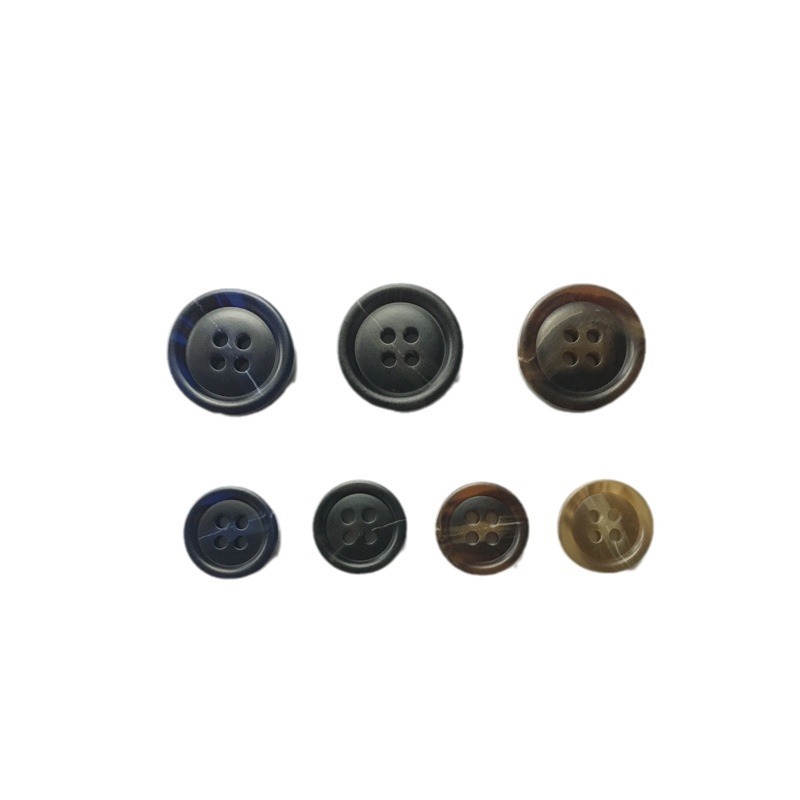
Durable NFC Button Tag with NTAG213 215 216. Ideal for access control, checkpoints, maintenance tracking, and authentication systems.
More >>
379.png)