D.O RFID TAG company is a RFID card manufacturers & factory, professional RFID card manufacturers , NFC tags suppliers and RFID Wristband company in shenzhen china for 15 years — Source Quality Products and Enjoy Efficient Service.
Choosing the best RFID microchip for your pet is more important than most owners realize. A high-quality microchip increases the chance of safe recovery, ensures compatibility with scanners worldwide, and keeps your pet protected for life.
This guide explains everything you need to know—chip type, frequency, standards, size, material, registration, reader compatibility, and manufacturer reliability—so you can confidently select the right microchip.
A pet microchip is a tiny, biocompatible RFID tag (usually 1.25 × 7 mm or 2 × 12 mm) implanted under the pet’s skin.
It contains a unique ID number, which shelters, vets, and animal control can scan to identify the pet and contact the owner.
A microchip is not a GPS device—it is passive and requires a reader to activate.
The frequency determines global compatibility with microchip readers.
| Frequency | Standard | Pros | Cons | Recommended For |
|---|---|---|---|---|
| 134.2 kHz | ISO 11784/11785 FDX-B | Global standard, accepted by all modern scanners | None | Best choice for pets |
| 125 kHz | Non-ISO (FDX-A, EM4100, TK4100) | Lower price | Not readable by all scanners | Not recommended for international use |
| 128 kHz | Some US legacy chips | Legacy system | Not universal | US only, older systems |
✔ Best option:ISO 11784/11785 FDX-B 134.2 kHz microchip
For pets, the global industry standard is:
Used in 99% of pet microchips
Fully compatible with worldwide animal shelters
Required for international travel
Avoid: EM4305, TK4100, ID64, FDX-A — these are mostly used for access control or livestock tracking.
Sizes vary by breed and species.
| Size | Suitable For |
|---|---|
| 1.25 × 7 mm (Mini) | Cats, small dogs, rabbits, small pets |
| 1.4 × 8 mm / 1.4 × 8.5 mm | General pets |
| 2 × 12 mm | Large dogs, livestock |
Smaller chips reduce discomfort but may have slightly shorter read range. Modern FDX-B chips compensate with improved sensitivity.
A good implant syringe improves safety and reduces pain.
Look for:
Sterilized EO-gas packaging
Medical-grade stainless steel needle
Anti-drop lock design
Single-use injector
Poor injector quality is one of the most common causes of implantation issues.
Microchips can move under the skin if not coated.
The best RFID microchips include:
Paralyne-C anti-migration coating
Bioglass (Schott glass) capsule
This keeps the chip in place for life and reduces the chance of scanning errors.
A microchip is only useful when its ID is registered.
Checklist:
✔ Does the chip come with online registration?
✔ Is it compatible with multiple pet databases?
✔ Can it be updated anytime by the owner?
ISO FDX-B IDs can be registered globally, which increases recovery chances.
Choose a chip that can be read by:
Veterinary scanners
Animal shelter scanners
Airport/customs scanners
Universal FDX-B readers
If you use 125 kHz chips, many scanners will not detect them, especially outside North America.
Before purchasing, check for:
ISO 11784/11785 certification
ICAR registration (International Committee for Animal Recording)
Sterilization certificate (EO gas)
Test report (read range & chip stability)
Factory reputation & supply capability
Low-quality chips may lose data, stop responding, or cause tissue irritation.
Frequency: 134.2 kHz
Type: ISO 11784/11785 FDX-B
Size: 1.4×8 mm or 1.25×7 mm
Material: Bioglass with anti-migration coating
Needle: Sterilized, single-use
Data: 15-digit unique ID
Packaging: Sterile blister pack
Reader compatibility: Universal FDX-B animal scanners
Certification: ICAR + ISO
Choosing 125 kHz chips for pets
Buying from unknown brands
No registration support
Using chips without ISO/ICAR certification
Selecting oversized chips for small animals
ISO FDX-B with ICAR code
Must be readable at international borders
Bulk packaging
Sequential ID numbers
OEM / private label support
Mini size
High-sensitivity coil
To choose the best RFID microchip for pets, focus on ISO FDX-B standard, microchip size, coating quality, scanner compatibility, and reliable manufacturer certification.
A well-chosen microchip ensures your pet’s safety for life and increases the chance of recovery no matter where they are found.
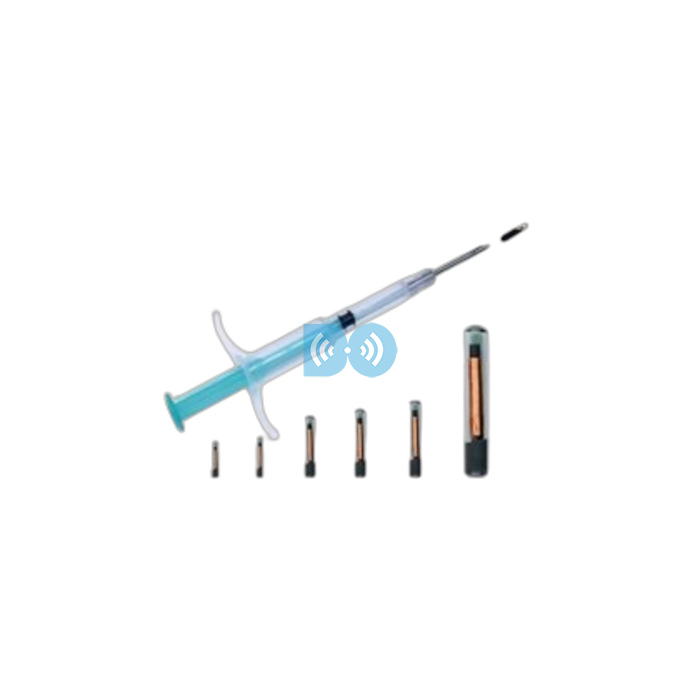
Avian Monitoring RFID Microchip for Bird Tracking
More >>
Herpetology Research PIT Tag for Reptiles and Amphibians
More >>
Laboratory Rodent Identification RFID Microchip
More >>
Durable NFC Button Tag with NTAG213 215 216. Ideal for access control, checkpoints, maintenance tracking, and authentication systems.
More >>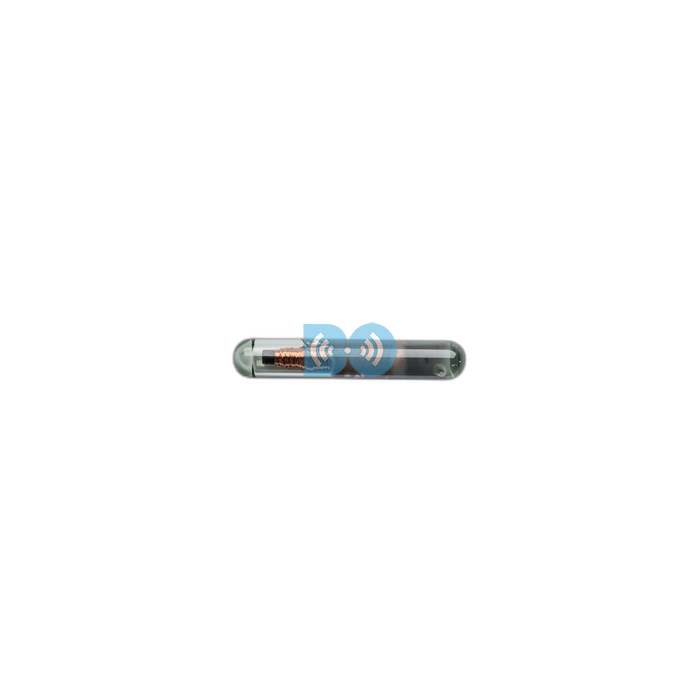
379.png)