D.O RFID TAG company is a RFID card manufacturers & factory, professional RFID card manufacturers , NFC tags suppliers and RFID Wristband company in shenzhen china for 15 years — Source Quality Products and Enjoy Efficient Service.
An RFID pet microchip is a tiny FDX-B RFID tag implanted under the skin of dogs and cats.
It carries a 15-digit ISO11784/11785 code that can be read by vet-grade microchip scanners.
Many pet owners are confused about the difference between RFID pet microchips and NFC pet tags.
Although both are used for pet identification, their technology, function, and purpose are completely different.
This guide gives a clear, beginner-friendly explanation to help you choose the best option for your pet or your customers.
RFID Pet Microchip → Used for permanent pet identification
Implanted under the pet’s skin, supports ISO11784/11785 FDX-B, requires a microchip scanner.
NFC Pet Tag → An external NFC pendant/tag
Worn on the collar, readable by smartphones, used for convenience but not permanent.
???? Microchip = official ID
???? NFC tag = supplemental smart tag
An RFID pet microchip is a tiny FDX-B RFID tag implanted under the skin of dogs and cats.
It carries a 15-digit ISO11784/11785 code that can be read by vet-grade microchip scanners.
Permanent pet identification
Cannot be lost or removed
No battery required
Works for 20–50 years
Used by vets, shelters & government
✔ Lost pet recovery
✔ Official pet registration
✔ Veterinary patient management
✔ Breeder animal tracking
An NFC pet tag is a small NFC disc or keychain attached to a pet’s collar.
It can be scanned by any smartphone with NFC.
Owners can store:
Their name
Phone number
Pet info
Medical notes
Website or social profile
External tag (non-invasive)
Works with mobile phones
Easy to update information
Can be customized in shape and color
✔ Everyday pet walking
✔ Quick contact for finders
✔ Pet social ID or digital profile
| Feature | RFID Pet Microchip | NFC Pet Tag |
|---|---|---|
| Location | Implanted under skin | Worn on collar |
| Technology | FDX-B 134.2 kHz RFID | NFC 13.56 MHz |
| Read Method | Animal microchip scanner | Smartphone |
| Permanent? | ✔ Yes | ✘ No |
| Lost risk | None | Can fall off |
| Data | 15-digit ID only | Phone, links, profile |
| Battery | None | None |
| Durability | Lifetime | Limited by tag material |
| Primary Use | Official identification | Quick, digital contact |
Government/clinic-approved ID
Permanent and tamper-proof identification
A solution for lost pet recovery
The safest and most recognized method
A visible tag that anyone can scan
Social ID or digital pet profile
Quick contact info for everyday walking
A stylish or customizable accessory
Most pet owners choose both:
Microchip for safety + NFC tag for convenience
Reasons:
NFC tags can fall off
NFC data is not official identification
Shelters do NOT use NFC—they use RFID scanners
Many countries legally require microchipping
NFC is a supplement, not a substitute.
Phones cannot read 134.2 kHz RFID microchips.
Phones only read 13.56 MHz NFC tags.
This is one of the biggest misunderstandings among pet owners.
| Conclusion | Explanation |
|---|---|
| Microchip = Permanent ID | Best for lost pets, official ID, clinic-style use |
| NFC Tag = Smart accessory | Easy scanning with phones, great for daily use |
| Both Together = Best Protection | Maximum chance of returning a lost pet |
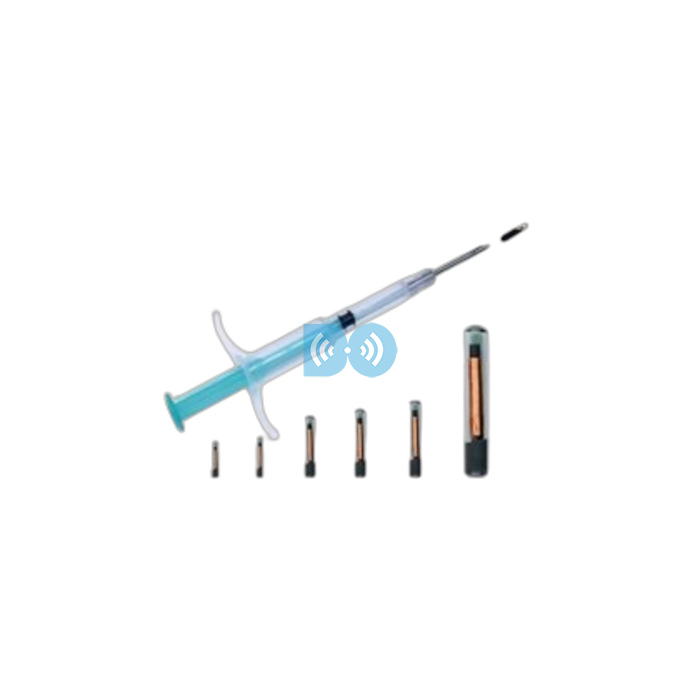
Avian Monitoring RFID Microchip for Bird Tracking
More >>
Herpetology Research PIT Tag for Reptiles and Amphibians
More >>
Laboratory Rodent Identification RFID Microchip
More >>
Durable NFC Button Tag with NTAG213 215 216. Ideal for access control, checkpoints, maintenance tracking, and authentication systems.
More >>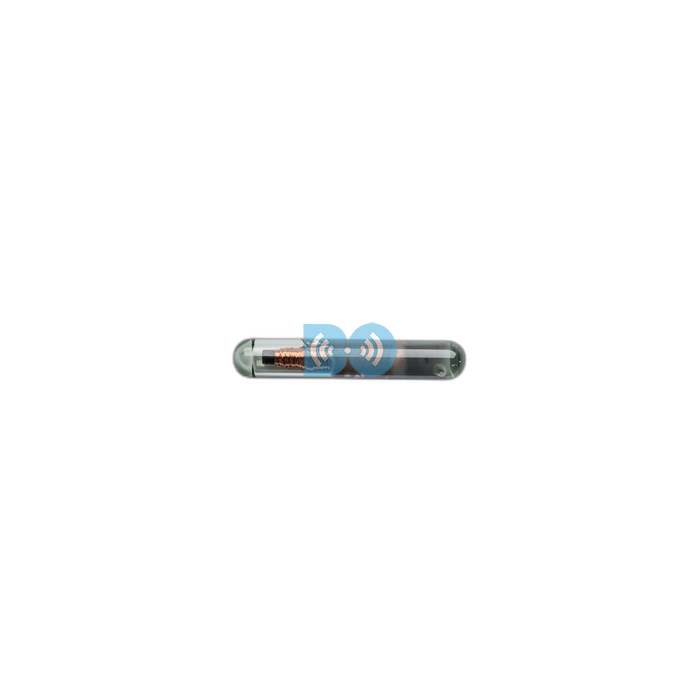
379.png)