
D.O RFID TAG company is a RFID card manufacturers & factory, professional RFID card manufacturers , NFC tags suppliers and RFID Wristband company in shenzhen china for 15 years — Source Quality Products and Enjoy Efficient Service.
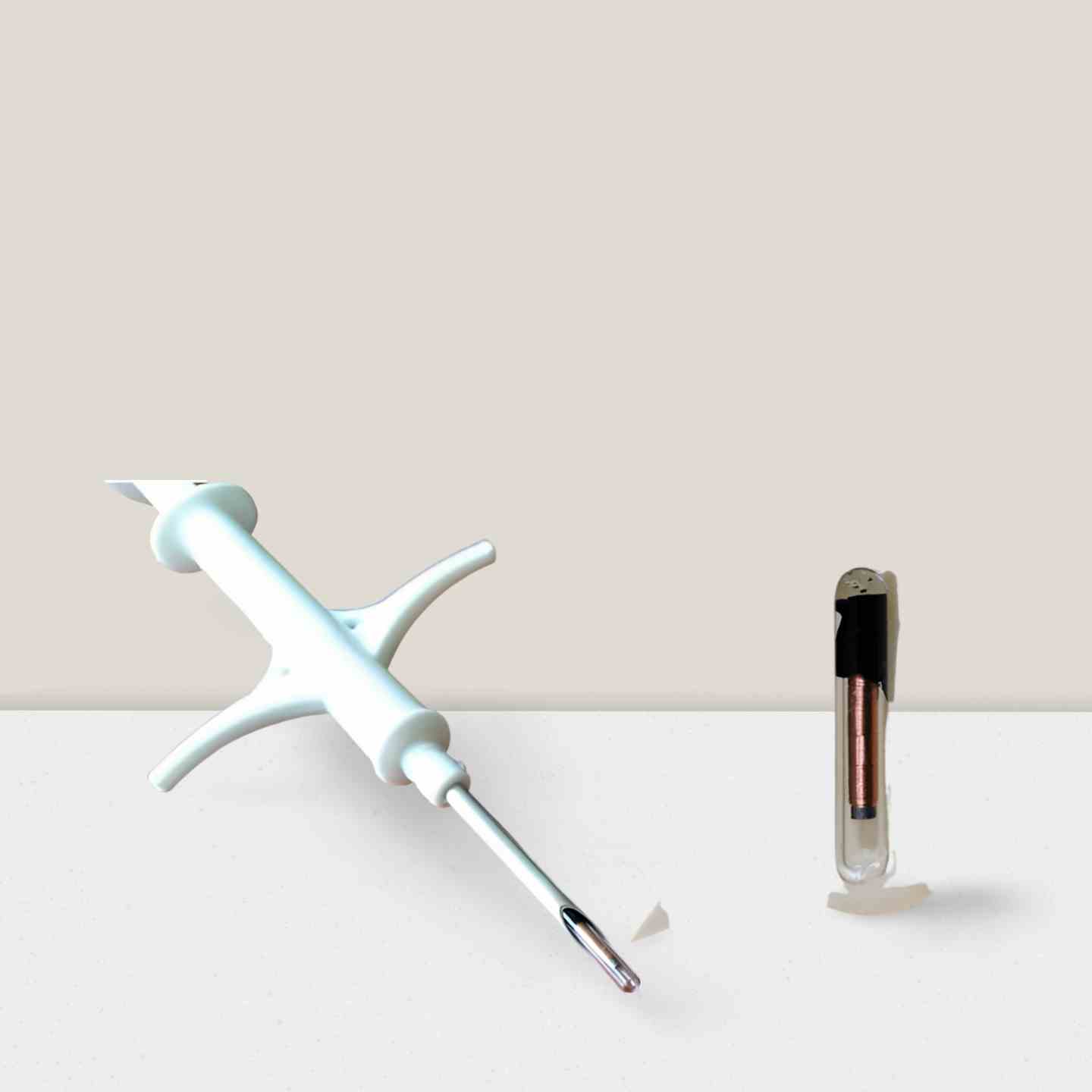
When tagging small creatures—from juvenile fish and reptiles to laboratory mice—mini PIT tags 1.4x8mm offer the perfect balance of discretion, biocompatibility, and long-term performance.
When tagging small creatures—from juvenile fish and reptiles to laboratory mice—mini PIT tags 1.4x8mm offer the perfect balance of discretion, biocompatibility, and long-term performance. These ultra-compact tags (just 1.4mm in diameter and 8mm in length) eliminate the stress and health risks of larger tags, while still delivering ISO-compliant identification. This guide explores why 1.4x8mm is the go-to size for small-animal projects, how to ensure quality, and where to source factory-direct mini tags that meet rigorous standards.
For animals weighing less than 100g or measuring under 10cm, standard-sized PIT tags (e.g., 2x12mm) can hinder movement, cause tissue irritation, or even reduce survival rates. Mini PIT tags 1.4x8mm solve these challenges with three unique advantages:
Whether you’re tracking the migration of 8cm fry or monitoring laboratory mice in a research setting, mini PIT tags 1.4x8mm deliver reliable identification without compromising animal welfare.
Smaller tags require stricter manufacturing standards to maintain performance—cutting corners on materials or design leads to premature failure. When sourcing mini PIT tags 1.4x8mm, focus on these four non-negotiable features:
The tag’s casing must be medical-grade bioglass (e.g., Bio glass 8625) to prevent tissue rejection or corrosion. Look for tags with anti-migration coatings (e.g., Parylene) to keep the tiny tag fixed in place—critical for active small animals like birds or rodents.
Mini tags must retain their unique 64-bit ID for 10+ years (no battery required) and transmit data reliably within 5–15cm (standard read range for small-animal readers). Avoid tags with low-quality chips—look for EM4305 or Hitag-S256 chips, which are industry standards for mini PIT tags.
Small animals often inhabit extreme environments—from arctic tundras to tropical wetlands. Mini PIT tags 1.4x8mm should operate in temperatures ranging from -25℃ to 85℃ and withstand moisture (IP67+ rating) for aquatic species like small fish or amphibians.
For small-animal projects, cross-contamination risks are high—opt for tags pre-loaded in disposable, sterile syringes (like RFID Tag Maker’s kits). This eliminates manual handling of the tiny tag, reducing the risk of damage or infection during implantation.
The 1.4x8mm size is tailored to projects where precision and animal welfare are paramount. Here are the most common use cases:
Hatcheries and fisheries researchers use mini PIT tags 1.4x8mm to tag fry (e.g., salmon, trout, or sturgeon) as small as 6cm. The tag’s slim profile doesn’t hinder swimming or feeding, and its waterproof design ensures long-term functionality in freshwater or saltwater. Dorfid’s PIT Tags for Fish Tracking includes 1.4x8mm options optimized for juvenile fish.
Research institutions rely on mini tags to track individual lab animals for studies on genetics, behavior, or medicine. The 1.4x8mm size is ideal for mice weighing 20g+—it’s invisible under the skin and doesn’t interfere with experimental outcomes. RFID Tag Maker’s sterile kits are a top choice here, as they comply with lab safety regulations.
Small reptiles and amphibians have delicate skin and bodies—mini PIT tags 1.4x8mm can be injected into the muscle or body cavity without causing harm. Conservation projects use these tags to monitor endangered species like baby sea turtles or poison dart frogs.
For birds with wingspans under 20cm, mini tags are the only viable option. The 1.4x8mm size fits in the pectoral muscle, allowing birds to fly normally while researchers track migration or nesting habits.
To avoid low-quality “micro tags” that fail prematurely, source mini PIT tags 1.4x8mm from trusted manufacturers with expertise in small-animal tagging:
Specializes in sterile, pre-loaded mini tags for lab and aquaculture use. Their PIT Tags Page offers 1.4x8mm FDX tags with ISO 11785 certification, bulk pricing (save 25% on orders of 1,000+), and fast shipping. They also provide custom encoding for research data alignment.
Offers HDX and FDX variants of 1.4x8mm tags, designed for wildlife and fisheries research. Their High-Frequency PIT Tags Page includes technical specs like read range and temperature resistance, and they offer free samples to test compatibility with your reader.
When ordering, confirm:
By choosing mini PIT tags 1.4x8mm from factories like RFID Tag Maker and Dorfid, you’ll get a small but powerful tool that protects animal welfare while delivering the reliable identification critical for your project—whether you’re studying lab mice or conserving endangered fry.
If you want to ask anything just fill in the form below and send us. We will contact you within 12 hours.
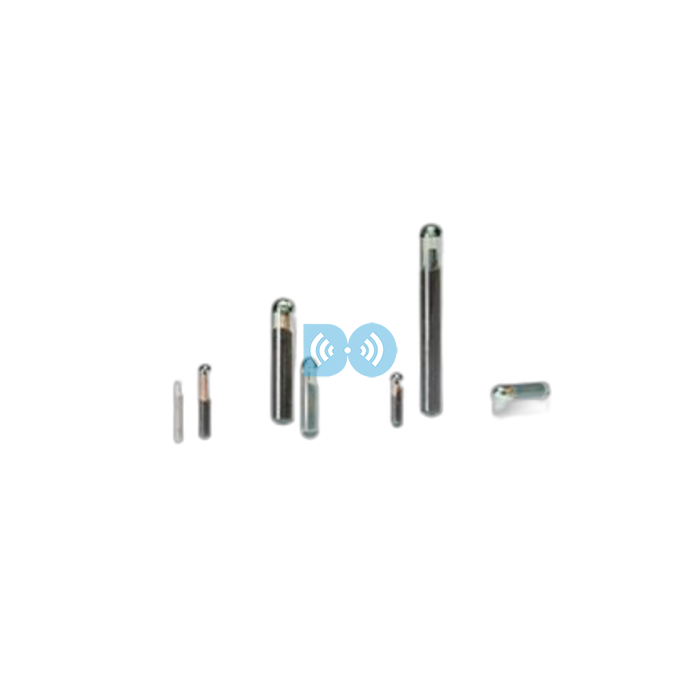
Parylene Coated Animal Microchip for High Retention Tracking
More >>
Texas Instruments RFID Tag Alternative for Animal Tracking
More >>
Biomark Compatible PIT Tag Manufacturer for Fish Telemetry
More >>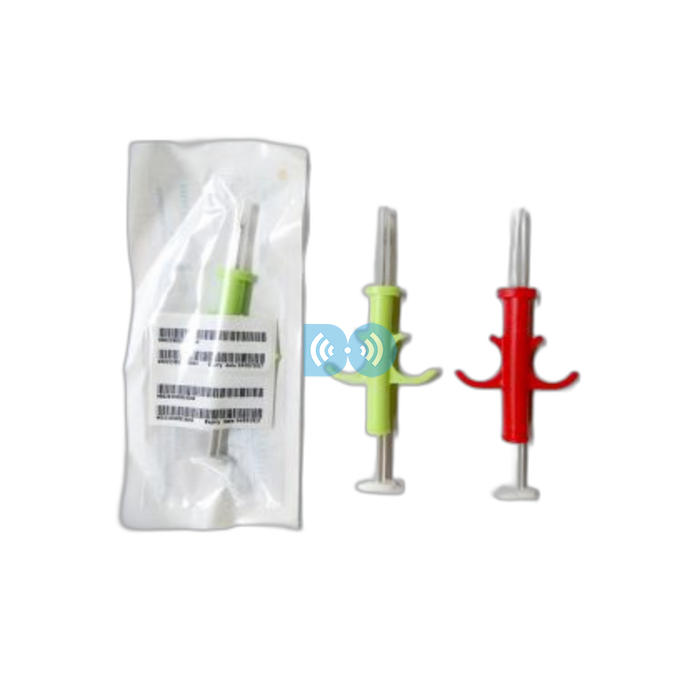
How to Prevent PIT Tag Migration and Loss in Fisheries Research Projects
More >>