
D.O RFID TAG company is a RFID card manufacturers & factory, professional RFID card manufacturers , NFC tags suppliers and RFID Wristband company in shenzhen china for 15 years — Source Quality Products and Enjoy Efficient Service.
PIT Tag vs Microchip for Animal Identification Systems
PIT tag vs microchip, animal RFID comparison, telemetry tag vs pet chip, RFID implant comparison
As an OEM/ODM manufacturer specializing in advanced RFID transponders, we frequently address the distinction between what is commonly referred to as a “PIT tag” and a “microchip” within professional animal identification and telemetry applications. While both utilize RFID technology for animal traceability, their optimal deployment and expected field performance differ significantly based on the intended use case, particularly when considering long-term environmental monitoring versus routine veterinary identification. This comparison outlines the technical nuances and application suitability for fisheries biologists, telemetry engineers, wildlife conservation agencies, and veterinary distributors evaluating RFID implant solutions.
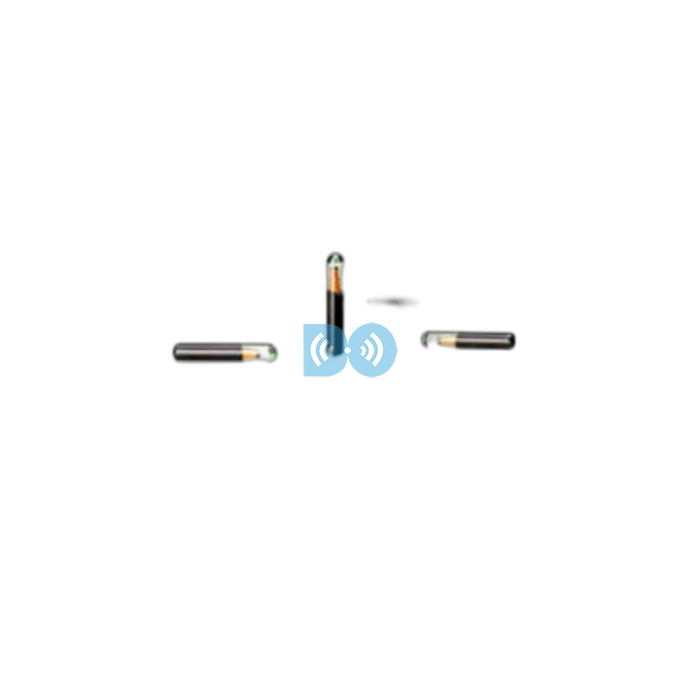
A Passive Integrated Transponder (PIT tag) and a standard pet microchip both function as RFID implants designed for unique animal identification. However, the term “PIT tag” in our industry often implies a transponder engineered for more rigorous, long-range detection, frequently within aquatic telemetry projects and demanding wildlife monitoring environments. These tags leverage specific technical characteristics to ensure reliable data acquisition across instream antenna systems or through varied terrains.
Our transponders utilize the robust EM4305 / HDX Technology operating at a 134.2 kHz frequency, fully compliant with ISO 11784 / ISO 11785 protocols. This standard ensures global compatibility with animal RFID readers. The core difference in practice typically lies in optimization for read range, durability, and integration into complex data collection networks, which are paramount for telemetry applications like fish passage monitoring and long-term wildlife studies.
In fisheries telemetry projects, PIT tags are crucial for tracking aquatic species across river systems, through fish ladders, and within hydropower environmental monitoring systems. Our glass transponders, housed in a biocompatible glass capsule with an IP68 waterproof rating, are designed for long-term implantation and superior tissue retention in aquatic environments. The 134.2 kHz frequency, combined with HDX technology, provides reliable read ranges essential for detecting tagged fish as they navigate through antenna arrays in challenging conditions. These deployments demand consistent, duplicate-free UID management to accurately assess migration patterns, population dynamics, and the efficacy of conservation efforts.
Wildlife conservation agencies and environmental engineering contractors rely on robust RFID implants for long-term identification and monitoring of various terrestrial and semi-aquatic species. Our PIT tags support comprehensive wildlife monitoring equipment, offering durability and stability essential for extended field performance. Whether embedded in amphibians, reptiles, or small mammals, the biocompatible material ensures minimal adverse reactions, while the sealed construction protects against environmental stressors from -20°C to 85°C, ensuring data integrity over years.
In veterinary technology and laboratory animal identification, the focus shifts to secure, reliable, and often smaller-form factor solutions for individual animal traceability. Our glass transponders serve as ICAR-approved RFID transponders for routine pet identification, livestock RFID systems, and precise laboratory specimen traceability. For laboratory procurement teams, we emphasize lightweight implantation, animal welfare compliance, and strict sequential ID management. The technology ensures rapid, accurate identification, which is critical for medical records, breeding programs, and research integrity.
As a factory-direct OEM/ODM supplier, we offer extensive customization to meet the precise requirements of your animal identification project. Our capabilities include:
Custom Encoded ID Systems: Support for specific numbering schemes and duplicate-free ID verification.
Application-Specific Packaging: Tailored sterile syringe packaging or bulk options, including OEM labeling and custom barcode matching.
Size and Configuration: A range of physical sizes to suit various species and implantation protocols.
Quality Assurance: All products are CE and RoHS certified, ensuring compliance with international standards.
Compatibility Testing: We provide support for integration into existing telemetry systems and reader platforms.
| Feature | Specification |
|---|---|
| Chip Type | EM4305 / HDX Technology |
| Frequency | 134.2 kHz |
| Protocol Standard | ISO 11784 / ISO 11785 |
| Physical Size | Various Sizes |
| Shell Material | Biocompatible Glass Capsule |
| Waterproof Rating | IP68 |
| Certifications | ICAR approved, CE, RoHS |
| Operating Temperature | -20°C to 85°C |
Evaluating the optimal RFID transponder for your fisheries telemetry project, wildlife monitoring equipment, or veterinary identification system requires a deep understanding of deployment environments and long-term performance objectives. Our factory-direct team possesses real-world expertise in aquatic telemetry and animal RFID identification, ready to assist with your specific requirements.
We welcome OEM inquiries, telemetry project consultations, and requests for bulk quotations. Minimum Order Quantity (MOQ) for our glass transponders is 500 pcs, with a standard lead time of 5-10 working days, depending on customization. Free testing stock samples are available upon request for compatibility validation and large-scale deployment evaluation. Partner with us to ensure your animal identification and monitoring systems achieve unparalleled reliability and accuracy.
If you want to ask anything just fill in the form below and send us. We will contact you within 12 hours.
PIT Tag vs Microchip for Animal Identification Systems
More >>
PIT Tag Fish Manufacturer for OEM Telemetry Solutions
More >>
PIT Tag Fish Price for Salmon and Trout Tracking
More >>
PIT Tags Cost and Wholesale Supply for Research Projects
More >>