
D.O RFID TAG company is a RFID card manufacturers & factory, professional RFID card manufacturers , NFC tags suppliers and RFID Wristband company in shenzhen china for 15 years — Source Quality Products and Enjoy Efficient Service.
Trout PIT tags are widely used in hatchery management, wild population monitoring, river migration studies, and long-term ecological research. Trout species such as rainbow trout, brown trout, brook trout, lake trout, and cutthroat trout all benefit from accurate, passive identification with PIT tags.
PIT tags for trout, trout PIT tag, juvenile trout PIT tag, adult trout PIT tag, FDX-B trout tag, HDX trout tag, wild trout PIT tagging, hatchery trout monitoring, trout migration tracking, trout river antenna detection, trout survival studies, trout movement tracking, trout PIT tag reader, trout tagging injector, trout conservation tracking, PIT tag trout project
Trout PIT tags are widely used in hatchery management, wild population monitoring, river migration studies, and long-term ecological research. Trout species such as rainbow trout, brown trout, brook trout, lake trout, and cutthroat trout all benefit from accurate, passive identification with PIT tags.
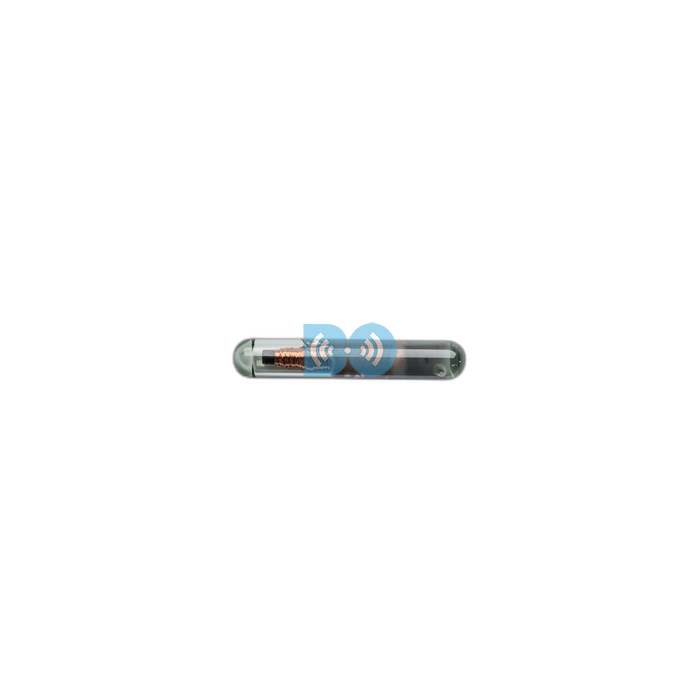
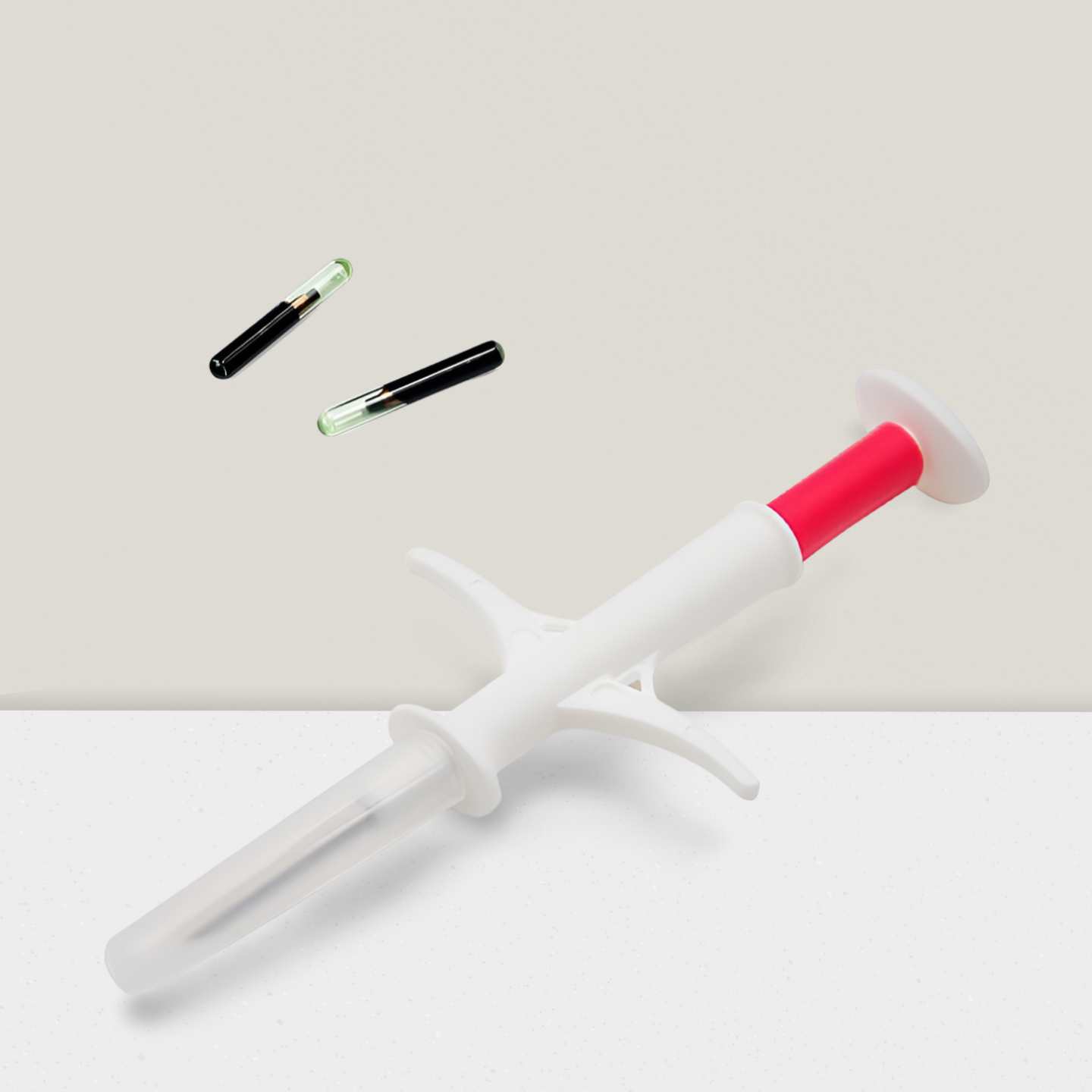
DO RFID TAG Manufacturer supplies a full range of FDX-B and HDX PIT tags suitable for both juvenile and adult trout. Our bioglass-encapsulated tags are ISO-compliant, sterilized, and optimized for durability, retention, and read accuracy in both hatchery tanks and complex river environments.
Trout exhibit diverse growth rates, habitat behaviors, and migration patterns. PIT tagging provides reliable, long-term, individual-level data that supports:
Wild trout population studies
Hatchery fingerprinting and performance evaluation
Movement patterns within rivers and tributaries
Survival analysis from juvenile to adult stages
Habitat preference and seasonal distribution
Growth tracking in aquaculture and restocking programs
Compared with external tags or fin clipping, PIT tags offer significant advantages:
Permanent, lifelong identification
Minimal stress implantation
High detection accuracy
Compatible with automated fixed antenna systems
Suitable for juvenile and adult monitoring
For early-life-stage trout, the most important consideration is tag size relative to body weight and swimming performance. Recommended sizes include:
1.25 × 7 mm (FDX-B)
1.4 × 8 mm (FDX-B)
1.5 × 8 mm (FDX-B)
2 × 6 mm (FDX-B)
These compact tags ensure:
Minimal tissue displacement
High retention and minimal stress
Safe implantation even in small trout
Adult trout species vary in size, but generally require larger tags for improved read range and field detection accuracy.
Recommended sizes:
2 × 10 mm (FDX-B)
2 × 12 mm (FDX-B / HDX)
3 × 13 mm (FDX-B / HDX)
3.85 × 23 mm (FDX-B / HDX)
3.85 × 32 mm (FDX-B / HDX)
4 × 34 mm (FDX-B / HDX)
Larger trout species such as lake trout and brown trout benefit from HDX tags paired with river antennas for long-range detection.
| Feature | FDX-B | HDX |
|---|---|---|
| Read Range | Medium | Long |
| Noise Resistance | Medium | Very High |
| Best Use | Hatcheries, juveniles | Rivers, wild trout studies |
| Cost | Lower | Higher |
| Recommended For | Growth studies, hatchery monitoring | Wild trout tracking, river antennas |
Key Notes:
FDX-B is widely used for juvenile trout and hatchery populations
HDX is preferred for outdoor, noisy environments such as fast-flowing rivers
Both chip formats are compatible with most UHF-free PIT tag readers.
PIT tags help hatcheries:
Track individual growth performance
Optimize feeding regimes
Evaluate survival rates post-release
Conduct selective breeding or genetic programs
Distinguish between wild and hatchery-origin trout
Researchers use PIT tags to:
Track seasonal movement
Understand habitat use and migration timing
Identify spawning patterns
Measure survival through river barriers
Fixed antennas installed in streams and tributaries can automatically detect tagged trout, providing high-resolution data.
HDX tags are especially effective for:
Narrow stream antenna arrays
River-level tracking systems
Fish corridor and culvert monitoring
Population connectivity studies
Automatic data collection improves longitudinal research efficiency.
For conservation biologists, PIT tags support:
Endangered trout species recovery
Stock evaluation
Wild vs stocked trout comparison
Monitoring juvenile recruitment
Example species:
Cutthroat trout
Brook trout
Bull trout
Native cold-water trout populations
| Parameter | Value |
|---|---|
| Chip Type | FDX-B or HDX |
| Trout-Optimized Sizes | 1.25×7, 1.4×8, 1.5×8, 2×6, 2×8, 2×10, 2×12, 3×13, 3.85×23, 3.85×32, 4×34 mm |
| Material | Bioglass encapsulated, sterilized |
| Encoding Options | Unique ID, custom encoding available |
| Durability | Lifetime of fish |
| Environmental Compatibility | Freshwater, cold-water conditions |
| Reader Compatibility | ISO 11784 / 11785 |
High retention through growth stages
Reliable ID for multi-year studies
Accurate detection in fast-flowing streams
Minimal stress on fish
Compatible with automated monitoring systems
Stable performance in cold water
These characteristics make PIT tags essential for both hatchery and wild trout studies.
We provide every size used globally for trout—from micro-sized juvenile tags to large HDX tags for river studies.
Strong, stable, and safe for all trout species.
Optional individually sterilized and preloaded tags available.
MOQ 100 pieces
Supply 100,000+ pieces per month
Fast dispatch for large-scale projects
We can encode, pre-pack, or supply in trays compatible with any injector system.
Available add-ons:
PIT tag readers
Antennas
PIT tag guns and sterile needles
Full system kits
Fast delivery to universities, government agencies, hatcheries, and conservation organizations.
Q1: What PIT tag size should I use for juvenile trout?
A1: 1.25–1.5 × 8 mm FDX-B.
Q2: What size is best for adult trout?
A2: 2 × 12 mm and above; HDX recommended for river detection.
Q3: Will PIT tags harm trout?
A3: No, when appropriate sizes are used.
Q4: Can trout detect or reject PIT tags?
A4: No, PIT tags are fully biocompatible.
Q5: Can these tags be used in high-current rivers?
A5: Yes, HDX tags perform well in noisy environments.
Q6: Do you support custom trout research projects?
A6: Yes, including custom encoding and bulk manufacturing.
Q7: Are needles and injectors included?
A7: Available upon request.
/pit-tags/
If you want to ask anything just fill in the form below and send us. We will contact you within 12 hours.
Avian Monitoring RFID Microchip for Bird Tracking
More >>
Herpetology Research PIT Tag for Reptiles and Amphibians
More >>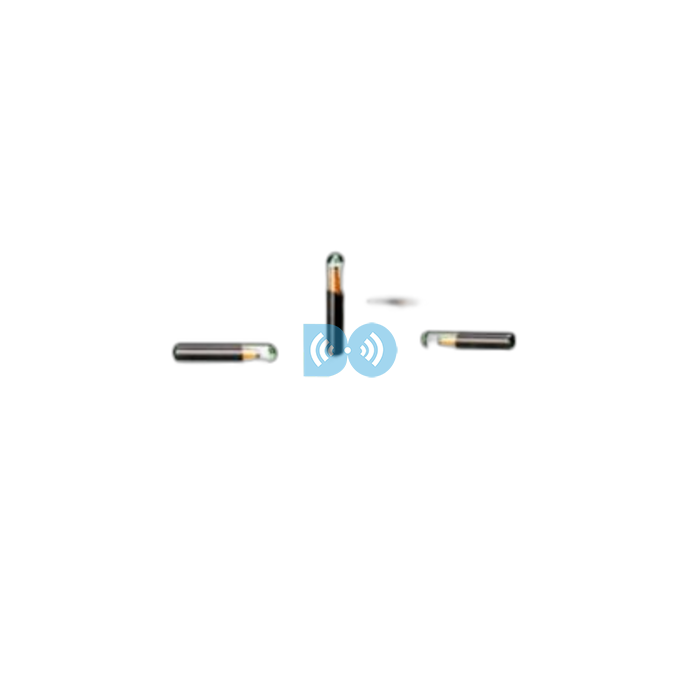
Laboratory Rodent Identification RFID Microchip
More >>