D.O RFID TAG company is a RFID card manufacturers & factory, professional RFID card manufacturers , NFC tags suppliers and RFID Wristband company in shenzhen china for 15 years — Source Quality Products and Enjoy Efficient Service.
Microchip reader compatibility is one of the most important topics for veterinarians, shelters, breeders, and pet ID suppliers.
A pet microchip can only be identified if the reader and chip use matching technology and frequency.
This guide explains how compatibility works, which standards matter, what scanners can read which chips, and how to avoid common mismatches.
Many countries use ISO-compliant microchips, while older systems still use 125 kHz chips.
If the reader cannot recognize the chip’s frequency or protocol, the pet cannot be identified.
This affects:
Lost pet recovery
Veterinary record management
Government registration
Pet travel (import/export)
Breeding and shelter operations
A compatible reader ensures every animal’s microchip ID can be detected and read correctly.
Pet microchips use different RFID technologies.
Understanding the differences is essential for choosing the right reader.
| Microchip Type | Frequency | Standard | Common Use |
|---|---|---|---|
| FDX-B | 134.2 kHz | ISO11784/11785 | Dogs, cats, small animals |
| HDX | 134.2 kHz | ISO11784/11785 | Livestock, large animals |
| FDX-A | 125 kHz | Non-ISO | Early-generation pet chips |
| EM4102/EM4305 | 125 kHz | Non-ISO | Legacy systems, low-cost tags |
| NFC | 13.56 MHz | Not for pets | Smartphone-readable, collar tags |
Only FDX-B 134.2 kHz is the global standard for pets.
Different microchips require different readers.
Reads:
ISO FDX-B microchips
ISO HDX microchips (in many models)
All 15-digit ISO11784/11785 chips
Used by:
Veterinarians
Shelters
Border inspection
Pet travel agencies
Microchip distributors
This is the most important scanner type for pet identification.
Reads:
FDX-A
EM4102
EM4305
Used in older systems or non-standard applications.
Cannot read ISO11784/11785 FDX-B chips.
Reads:
FDX-B (ISO)
HDX (often supported)
FDX-A
125 kHz low-frequency chips
Ideal for:
Distributors
Clinics with mixed chip history
Regions transitioning from 125 kHz to ISO standard
The simple answer is no.
Below is the compatibility breakdown:
| Chip Type | Can ISO Scanner Read It? | Can 125 kHz Scanner Read It? |
|---|---|---|
| FDX-B (ISO) | Yes | No |
| HDX (ISO) | Often Yes | No |
| FDX-A | No | Yes |
| EM4102/EM4305 | No | Yes |
| NFC | No | No (phones only) |
Only dual-frequency readers cover all common chip types.
A true ISO microchip reader must support:
ISO 11784
ISO 11785
Frequency: 134.2 kHz
FDX-B reading capability
Additional recommended features:
Ability to read HDX chips
Anti-interference design
Fast decoding
Broad scanning distance
LCD display and memory log (optional)
The scanning distance varies by:
Reader antenna size
Chip type
Chip orientation under the skin
Body thickness of the animal
Typical read range for veterinary handheld scanners:
Small pets: 3–10 cm
Medium dogs: 6–12 cm
Livestock: 8–20 cm (larger scanners)
FDX-B is optimized for stability in animal tissue and performs reliably in most scanning conditions.
Possible reasons:
Wrong scanner type
Incorrect scanning angle
Chip migrated
Chip orientation affecting signal
Solution:
Use a universal ISO reader and slowly scan both sides of the shoulders.
Cause:
Reader is not ISO11784/11785 compliant.
Solution:
Upgrade to an ISO microchip scanner.
Cause:
Not all ISO readers support HDX.
Solution:
Choose an ISO reader that specifically lists HDX compatibility.
Phones cannot read ISO pet microchips.
NFC tags use 13.56 MHz and are not used for animals.
Solution:
Educate customers (common FAQ on your site).
ISO11784/11785 FDX-B reader
HDX compatibility recommended
Fast, lightweight, reliable
Wide read range
Durable design
Memory storage for IDs
ISO reader with easy barcode logging
Must support all ISO 134.2 kHz chips
Stable reading for travel documentation
Dual-frequency 125 kHz + 134.2 kHz
Wide compatibility for multiple chip types
FDX-B 134.2 kHz is the global standard for pet identification.
ISO11784/11785 readers are required to read modern microchips.
125 kHz readers only read older or non-standard chips.
Dual-frequency readers offer maximum compatibility.
Choosing the right scanner ensures accurate, reliable ID for every animal.
Understanding microchip reader compatibility is essential for anyone involved in pet identification, veterinary services, animal management, or RFID product supply.
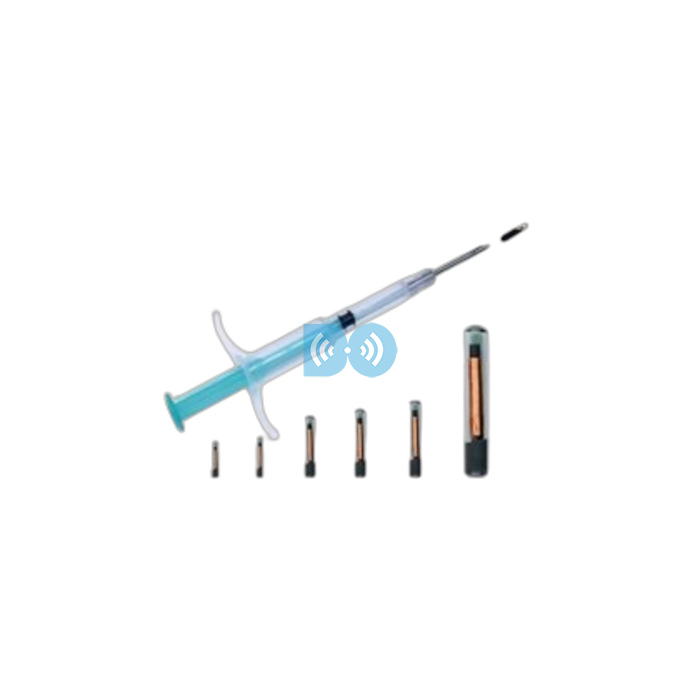
Avian Monitoring RFID Microchip for Bird Tracking
More >>
Herpetology Research PIT Tag for Reptiles and Amphibians
More >>
Laboratory Rodent Identification RFID Microchip
More >>
Durable NFC Button Tag with NTAG213 215 216. Ideal for access control, checkpoints, maintenance tracking, and authentication systems.
More >>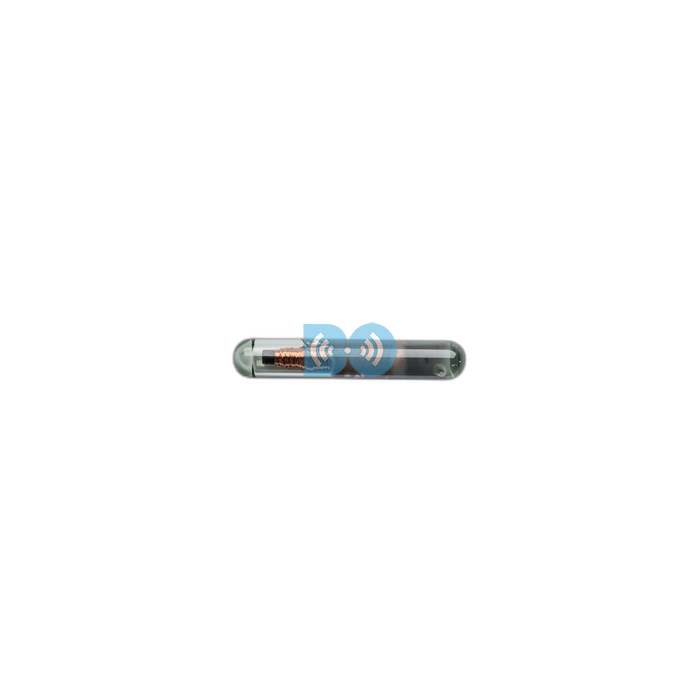
379.png)