
D.O RFID TAG company is a RFID card manufacturers & factory, professional RFID card manufacturers , NFC tags suppliers and RFID Wristband company in shenzhen china for 15 years — Source Quality Products and Enjoy Efficient Service.
In today's digital age, enterprise asset management faces numerous challenges, such as a large number of assets, wide distribution, and high mobility. How to achieve efficient and accurate asset tracking and management has become a crucial issue in the process of enterprise operation. RFID (Radio Frequency Identification) technology, as an advanced automatic identification technology, provides an innovative solution for enterprise asset tracking, which can significantly improve asset management efficiency and reduce operating costs. This article will delve into the principles, applications, advantages, and key considerations in the implementation of RFID asset tracking technology, helping enterprises better understand and apply this technology to achieve visual asset management and optimized allocation.
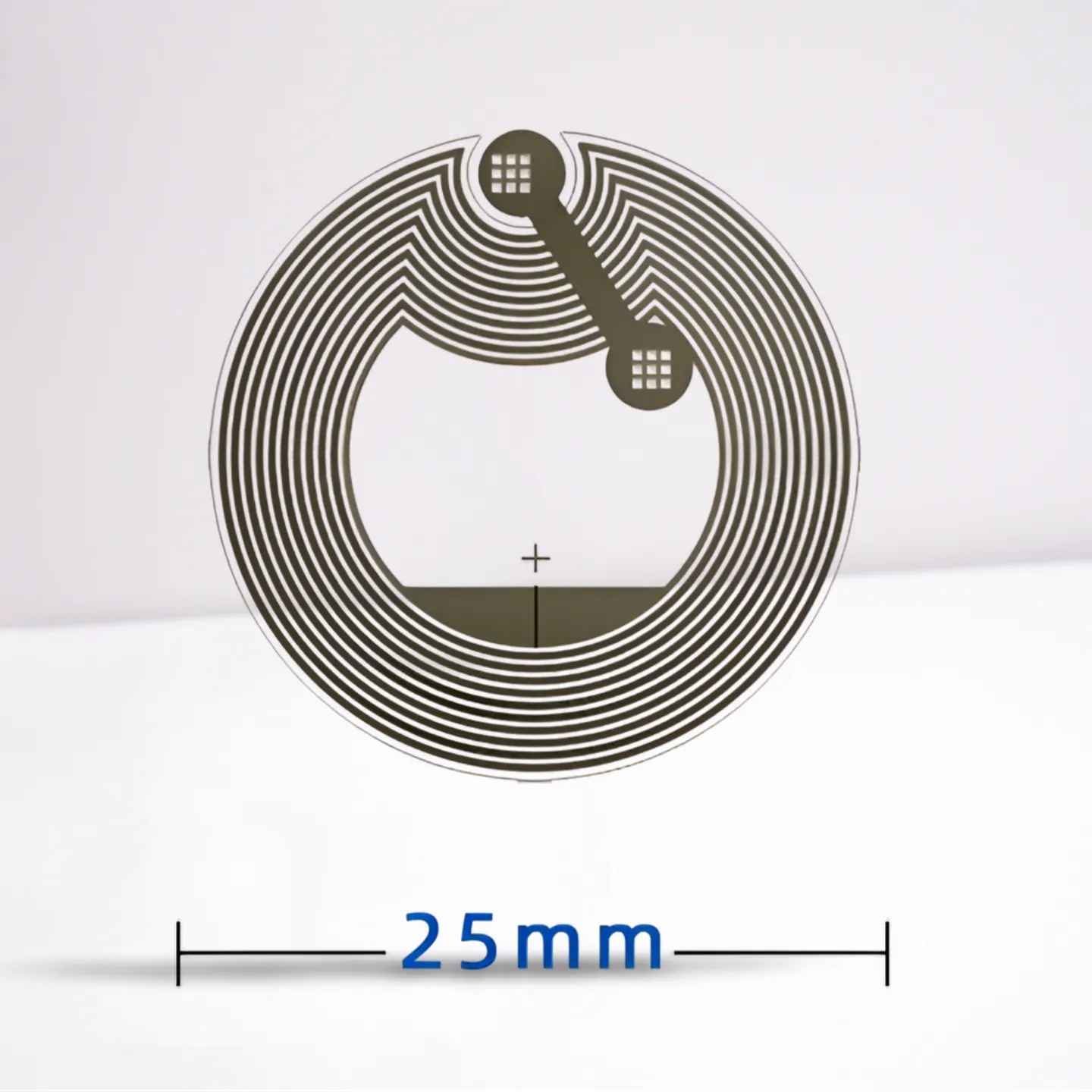
The RFID system mainly consists of three parts: RFID tags, RFID tag readers, and RFID reader antennas. The RFID tag is a small electronic device attached to the asset, with an inbuilt chip and antenna, used to store asset-related information and communicate with the reader via radio waves. The reader is responsible for sending and receiving radio signals, performing read and write operations on the tags. It can connect to a computer or other information systems to achieve data transmission and processing. The antenna is used to transfer the radio frequency signals between the tag and the reader, enhancing the signal strength to ensure the stability and reliability of communication.
RFID technology operates based on the principle of electromagnetic induction. When the tag enters the working area of the reader, the reader transmits a specific frequency of radio frequency signal through the antenna. The tag antenna receives the signal, activates the internal chip, and reflects the stored asset information back to the reader via radio frequency signal. The reader receives the signal returned by the tag, decodes and demodulates it to obtain detailed asset information, such as asset number, location, status, etc. Finally, the reader transmits this information to the backend management system for processing and storage, providing the enterprise with real-time and accurate asset data.
Passive Tags: Passive tags have no power source of their own, and their operating energy comes from the radio frequency signal transmitted by the reader. When the tag receives the signal from the reader, it generates electrical energy through electromagnetic induction to power the chip and thus enables data transmission. Passive tags have the advantages of low cost, small size, and long service life, and are suitable for applications that are cost-sensitive and have relatively low asset tracking frequencies, such as inventory management and asset management. However, their communication range is relatively short, generally within a few centimeters to several meters, and the data transmission rate is relatively slow.
Active Tags: Active tags have a built-in battery and can actively send signals to the reader. They have a longer communication distance, which can reach tens of meters or even hundreds of meters, and at the same time, the data transmission rate is also higher. Active tags are suitable for scenarios that require high real-time performance and large asset movement ranges, such as logistics and distribution, vehicle tracking, etc. However, due to the built-in battery, active tags have a higher cost, relatively larger volume, and limited battery life, requiring regular battery replacement.
Semi - active Tags: Semi - active tags combine the characteristics of passive tags and active tags. The built-in battery is only used to supply power to the tag chip and does not actively transmit signals. Instead, it only sends data after receiving the signal from the reader. The communication distance and data transmission rate of semi - active tags are between those of passive tags and active tags, and the battery life is relatively long. They are suitable for some scenarios that have certain requirements for real-time asset monitoring and tracking but also hope to reduce costs and maintenance workload, such as the management of valuable equipment, medical equipment, etc.
Cargo Transportation Tracking: In the logistics transportation process, RFID technology can track the location, transportation status (such as in transit, arrival, loading and unloading, etc.), and transportation environment (such as temperature, humidity, etc.) of the goods in real time. By installing active or semi - active RFID tags on the goods packaging and combining technologies such as GPS (Global Positioning System) and GPRS (General Packet Radio Service Technology), logistics enterprises can achieve visual monitoring of the goods throughout the process, timely grasp the transportation situation of the goods, improve transportation efficiency, reduce transportation costs, and at the same time better meet the real - time inquiry needs of customers for goods transportation information.
Warehouse Management and Inventory Counting: The application of RFID technology in warehouse management can greatly improve the accuracy and efficiency of inventory management. Warehouse managers can quickly scan the RFID tags on the goods through handheld readers or fixed readers installed at the entrances and exits of the warehouse and on the shelves to obtain detailed information about the goods, such as the name, quantity, and storage location of the goods, and realize rapid warehousing, outbound, and inventory counting operations. Compared with the traditional barcode technology, RFID technology does not require manual scanning of the goods one by one, greatly shortening the operation time, improving work efficiency, and reducing the occurrence of human errors. In addition, RFID technology can also achieve real - time inventory monitoring. When the inventory level is lower or higher than the set threshold, the system automatically issues warning information to remind the management personnel to replenish the inventory or adjust the inventory strategy in a timely manner.
Supply Chain Collaboration and Information Sharing: In supply chain management, RFID technology can achieve information collaboration and sharing among various links of the supply chain. By attaching unified standard RFID tags to products or packaging, upstream and downstream enterprises in the supply chain can obtain the relevant information of the products in real time, such as production information, logistics information, sales information, etc., and achieve seamless information docking. This helps to improve the transparency and collaborative efficiency of the supply chain, reduce the bullwhip effect caused by information asymmetry, optimize the overall operation process of the supply chain, reduce supply chain costs, and improve the competitiveness of the supply chain.
Medical Equipment Management and Tracking: In healthcare institutions, there are a large number of medical equipment with high value and wide distribution, and effective management and tracking of them are vital. RFID technology can realize the full lifecycle management of medical equipment, from equipment procurement, warehousing, use records, maintenance to scrapping processing, and track and record the relevant information of the equipment throughout the process. By installing RFID tags on medical equipment, hospital management personnel can know the location, use status, and maintenance plan of the equipment in real time, improving the utilization rate and management efficiency of the equipment, ensuring the normal operation of the medical equipment, and providing timely and accurate medical services for patients. At the same time, in emergency situations such as public health emergencies or patient transfer, the required equipment can be quickly found to improve the emergency response ability.
Drug and Consumable Management: RFID technology also has important application value in drug and consumable management. By attaching RFID tags to the packaging of drugs and consumables, the hospital pharmacy and warehouse can achieve real - time inventory management of drugs and consumables, accurately master the in and out time, batch, and validity period of drugs, and avoid drug waste due to expiration and shortages. In the drug distribution process, RFID technology can ensure the transportation safety and quality of drugs and prevent the drugs from being exchanged or damaged during transportation. In addition, in the clinical drug use process, RFID technology can achieve the whole process monitoring of drug use and ensure the safety of drug use and reduce the occurrence of medical errors.
Patient Identification and Medical Process Optimization: RFID technology can also be used for patient identification to improve the accuracy and safety of medical services. By having patients wear wristbands containing RFID tags, medical staff can quickly and accurately identify patient identities at various stages such as diagnosis, examination, and treatment, avoiding medical accidents caused by patient identity errors. At the same time, the RFID system can be integrated with the hospital information system to achieve real - time sharing of patient medical information, optimize the medical process, improve the efficiency of medical services, and reduce the waiting time for patients.
Vehicle Management and Scheduling: In the transportation industry, RFID technology can be used for vehicle management and scheduling. By installing RFID tags on vehicles, transportation enterprises can track the location, driving route, speed, fuel consumption, and other information of vehicles in real time to achieve fine vehicle management. According to the real - time status of the vehicle and transportation task requirements, enterprises can rationally schedule vehicles, optimize transportation routes, improve vehicle utilization rate, and reduce transportation costs. In addition, RFID technology can also be used for vehicle entry and exit management, annual inspection management, etc., to improve the efficiency and standardization of vehicle management.
Parking Lot Management and Charging: RFID technology is increasingly widely used in parking lot management. By installing RFID tags on vehicles and setting up readers at the entrances and exits of the parking lot, vehicles can enter and leave the parking lot without parking, and the readers automatically identify the vehicle information to achieve fast and non - stop charging. At the same time, the parking lot management system can record the entry and exit time, parking position, and other information of the vehicle in real time, facilitating the parking lot managers to manage parking spaces and conduct statistical analysis, and improving the operation efficiency and management level of the parking lot.
Traffic Flow Monitoring and Management: RFID technology can also be used for traffic flow monitoring and management. By setting up readers at key locations on the road and reading the RFID tag information of passing vehicles, the traffic management department can obtain real - time data such as traffic flow, vehicle speed, and vehicle type, providing data support for traffic planning, traffic signal control, and congestion mitigation. According to the traffic flow monitoring data, the traffic management department can timely adjust the traffic signal timing plan, optimize the road traffic flow, improve the road capacity, and alleviate traffic congestion.
RFID technology enables real - time tracking and monitoring of assets, allowing enterprises to know the location, status, and usage of assets anytime and anywhere, making asset information more transparent. With the improvement of asset visibility, enterprises can timely discover problems such as asset idleness, loss, or theft and take corresponding measures to solve them, avoiding asset waste and losses and improving asset utilization.
Precise Inventory Control: RFID technology can obtain inventory information in real - time and accurately. Enterprises can achieve precise inventory control according to actual sales and production needs, avoiding inventory backlogs or shortages. Inventory backlogs will occupy a large amount of enterprise funds, increase warehousing costs and inventory management costs, while shortages will affect the production and sales of enterprises and reduce customer satisfaction. Through precise inventory control, enterprises can reduce inventory holding costs and improve capital turnover rate.
Reducing Inventory Count Time and Costs: Traditional inventory counting methods usually require manual counting of goods one by one, which is time - consuming, labor - intensive, and error - prone. In contrast, using RFID technology for inventory counting only requires using a reader to scan the RFID tags on the goods within a certain range, which can quickly obtain the inventory quantity and detailed information, greatly shortening the inventory counting time and reducing the counting cost. At the same time, RFID technology can also achieve real - time inventory monitoring, timely discover inventory abnormalities, and improve the accuracy and efficiency of inventory management.
Accelerating Business Processes: In various links of enterprise production, logistics, sales, etc., RFID technology can achieve automatic data collection and rapid processing, reducing manual intervention and accelerating the flow of business processes. For example, in the logistics distribution process, RFID technology can achieve rapid sorting, loading and unloading, and transportation tracking of goods, shortening the time the goods are in transit and improving the efficiency of logistics distribution; in the retail industry, RFID technology can achieve self - checkout and rapid replenishment, improving customer shopping experience and the operational efficiency of retail enterprises.
Improving Service Quality: By mastering asset information and business process status in real time, enterprises can provide more timely and accurate services to customers. For example, in the logistics industry, customers can query the transportation location and status of the goods in real time, improving customer satisfaction with logistics services; in the healthcare industry, medical staff can quickly find the required medical equipment and drugs, providing more timely and effective medical services for patients and improving the quality of medical services.
The data collected by RFID technology is more accurate and real - time, avoiding possible errors in the process of manual recording and data entry. These accurate data provide strong support for enterprise decision - making. Enterprises can base on real, reliable data for market analysis, sales forecasting, production planning, and other decision - making activities, improving the scientific and accuracy of decision - making and reducing decision - making risks.
RFID technology can run through the entire lifecycle of assets, from asset procurement, warehousing, use, maintenance to scrapping processing, recording the relevant information of assets throughout the process. Through the management of the asset lifecycle, enterprises can better understand the usage status and value changes of assets, optimize asset allocation, extend the service life of assets, and improve the return on investment in assets. At the same time, when the assets have problems, it can quickly trace the historical information of the assets, facilitating failure analysis and problem solving.
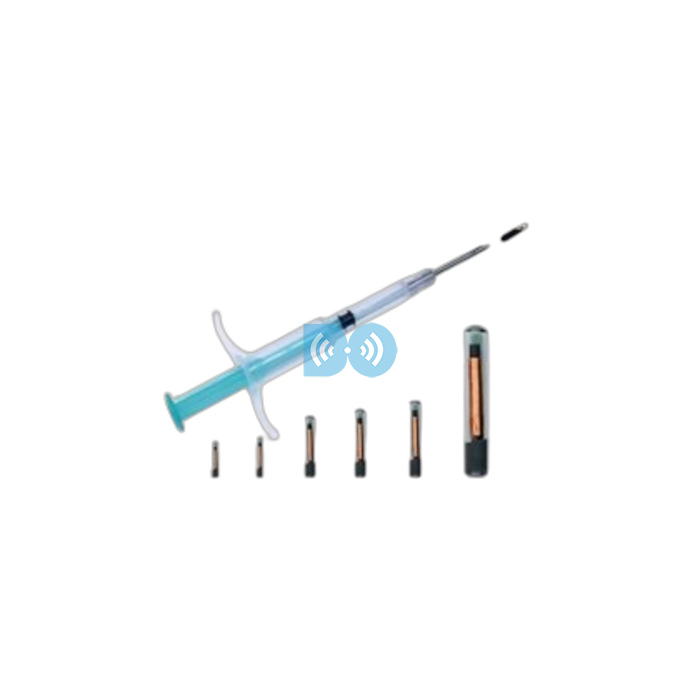
Avian Monitoring RFID Microchip for Bird Tracking
More >>
Herpetology Research PIT Tag for Reptiles and Amphibians
More >>
Laboratory Rodent Identification RFID Microchip
More >>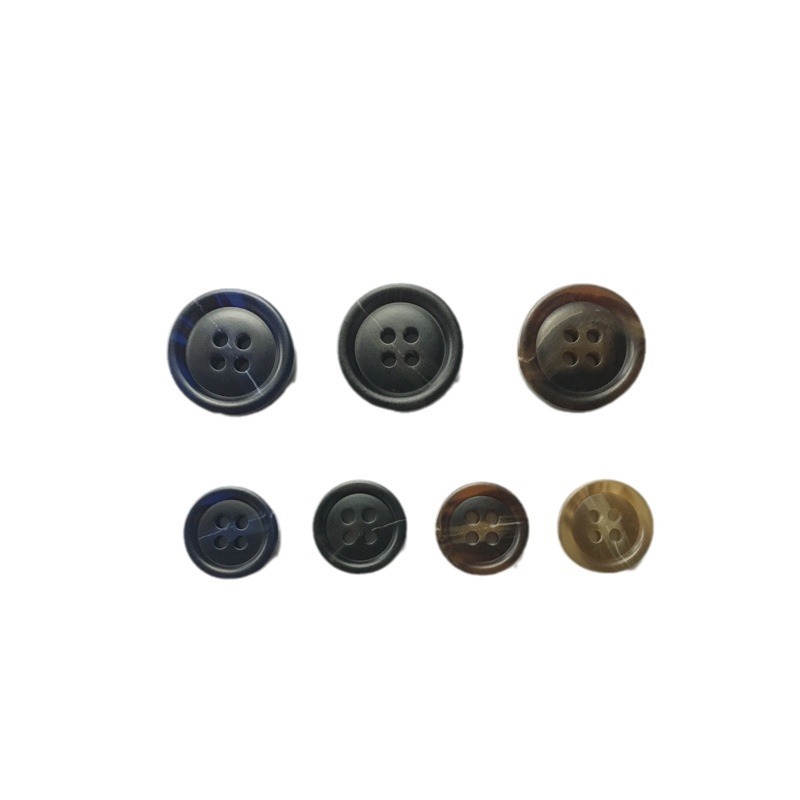
Durable NFC Button Tag with NTAG213 215 216. Ideal for access control, checkpoints, maintenance tracking, and authentication systems.
More >>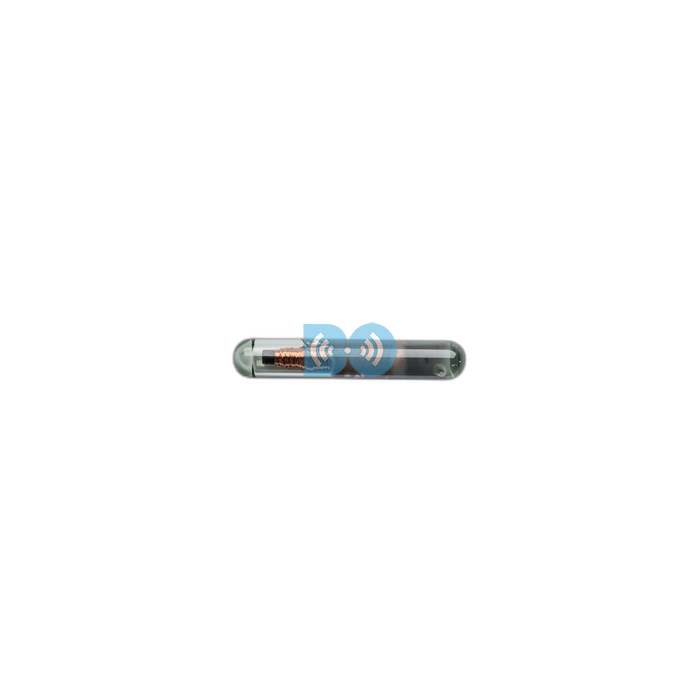
379.png)