D.O RFID TAG company is a RFID card manufacturers & factory, professional RFID card manufacturers , NFC tags suppliers and RFID Wristband company in shenzhen china for 15 years — Source Quality Products and Enjoy Efficient Service.
For hotels and businesses managing uniforms, textile tracking is a delicate balance between efficiency and user experience. Guests don’t want to see bulky tags on their hotel sheets or towels, and employees don’t want rigid labels irritating their skin through uniforms. Traditional tracking methods—whether manual counts or thick silicone tags—fail to meet this “invisible efficiency” need. This is where RFID textile laundry tags shine. Thin, flexible, and designed to blend seamlessly with fabrics, these tags solve the unique pain points of hotel linen and uniform management: preserving aesthetics, ensuring comfort, and maintaining reliable tracking through countless wash cycles.
If you’re new to RFID laundry solutions and want a holistic overview, start with our foundational guide, RFID Laundry Tag: The Complete Guide to Smart Textile Tracking in 2025. In this article, we’ll focus on why RFID textile laundry tags are the ideal fit for hotels and uniform programs, how to customize them for brand consistency, and how they stack up against other tag types in cost and performance.
Hotels and uniform - focused businesses have distinct requirements that set them apart from industrial laundries. Aesthetics, comfort, and fabric compatibility are just as important as durability—and RFID textile laundry tags check all these boxes. Let’s break down their key advantages for these two sectors.
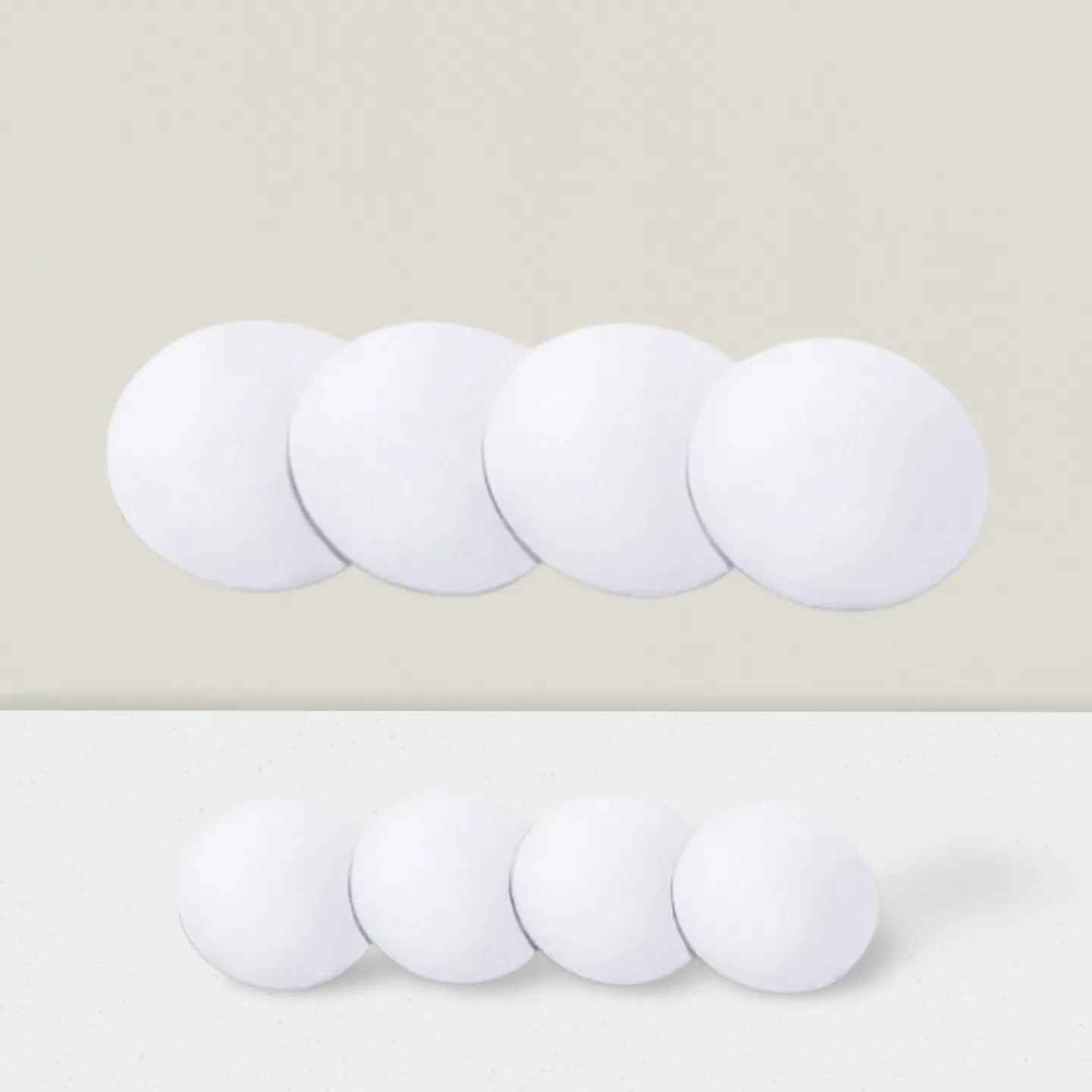
The most significant benefit of RFID textile laundry tags is their slim profile. Unlike rigid silicone tags that can be felt through lightweight fabrics, textile tags are typically 0.3–0.5mm thick—thin enough to blend with hotel linens, employee polos, or nurse scrubs.
For hotels, this means guests won’t notice tags on sheets, pillowcases, or bath towels—a small detail that enhances the premium experience. A luxury boutique hotel chain in Italy tested both silicone and textile tags on its linens; post - stay surveys showed that 82% of guests reported “no noticeable tags” with textile options, compared to 45% with silicone. For uniform programs, the comfort factor is even more critical. Employees wearing uniforms 8+ hours a day often complain about bulky tags causing chafing. A corporate office in the UK switched to RFID textile laundry tags for its 500 - person staff uniforms, and employee feedback on “uniform comfort” improved by 67% within three months.
Hotels and uniform managers often work with delicate fabrics—think 100% cotton sheets, linen napkins, or silk - blend corporate uniforms. Silicone tags can damage these materials: their rigidity can cause snags during washing, and heat sealing may melt or discolor thin fabrics. RFID textile laundry tags, however, are made from textile - friendly materials like polyester or cotton blends, which integrate with the base fabric rather than fighting against it.
A five - star hotel in Thailand, known for its high - thread - count cotton linens, faced this exact issue. Silicone tags caused pulls in 15% of its sheets after just 20 washes, leading to early replacements. After switching to textile tags, sheet damage dropped to 2%, extending the linen lifespan by 6 months and reducing replacement costs by ,000 annually. For uniform programs using lightweight fabrics like performance polos or nurse scrubs, textile tags sew into seams without adding bulk—ensuring the uniform retains its professional fit.
RFID textile laundry tags offer versatile installation options that prioritize discretion. Unlike silicone tags, which often require visible heat - sealed patches or snap - on fasteners, textile tags can be sewn directly into hems, collars, or side seams—places where they’re hidden from view.
For example, a hotel can sew textile tags into the hem of a towel or the corner of a pillowcase, where they’re never seen by guests. A restaurant chain with branded aprons and server uniforms can embed textile tags into the inside collar seam of shirts, ensuring the tag is invisible but still readable by RFID scanners. This flexibility makes textile tags the top choice for businesses where brand presentation and aesthetics are non - negotiable.
One of the biggest advantages of RFID textile laundry tags for hotels and uniform programs is their customizability. Unlike generic silicone tags, textile tags can be tailored to match brand identity and operational needs—from printed logos to encoded data. Below are the most valuable customization features and how they benefit hotels and businesses.
Hotels and businesses can print logos, slogans, or even care instructions directly on RFID textile laundry tags—turning a functional tool into a subtle branding asset. The printing process uses dye - sublimation or screen printing, which bonds with the tag’s textile surface to ensure longevity (even through 200+ washes).
For hotels, this means tags can feature the hotel’s logo in a matching color to the linen—e.g., a navy logo on white sheets for a coastal resort. A mid - range hotel chain in the U.S. added its logo to textile tags on bathrobes and found that guests were 30% less likely to accidentally take robes home, as the branded tag served as a gentle reminder of the hotel’s property. For uniform programs, branded tags can include the company’s name or employee ID field—making it easy to identify lost uniforms. A retail store chain printed employee names on textile tags of staff polos, reducing uniform mix - ups by 45% compared to unmarked tags.
RFID textile laundry tags can be pre - encoded with unique data that aligns with a business’s tracking workflow. For hotels, this might include:
For uniform programs, encoded data could include:
A hotel in Spain used encoded textile tags to track linen usage per room. By linking tags to room numbers, the hotel discovered that suites with ocean views had 20% higher towel usage than standard rooms—allowing housekeeping to adjust towel stock levels and reduce waste. For a logistics company with 1,000+ warehouse uniforms, encoded tags helped track how often each uniform was washed; the company found that warehouse staff uniforms needed replacement after 150 washes, while office uniforms lasted 250 washes—optimizing their uniform budget by 18%.
RFID textile laundry tags come in a range of sizes (from 15x20mm for small items like napkins to 30x40mm for larger items like robes) and can be dyed to match any fabric color. This ensures the tag is invisible or nearly invisible to the naked eye.
For example, a wedding venue that uses ivory tablecloths and napkins ordered textile tags dyed to match the ivory color—making the tags undetectable to guests. A hospital that uses light blue nurse scrubs chose textile tags in the same shade of blue, so the tags blend with the uniform rather than standing out. Size customization is equally important: a hotel can use small tags for cocktail napkins (to avoid bulk) and larger tags for comforters (to ensure readability).
For hotels and small - to - mid - sized uniform programs, cost is a key consideration. While RFID textile laundry tags offer unique benefits for aesthetics and comfort, how do they stack up against silicone tags in terms of price? Below is a breakdown of upfront costs, long - term savings, and total cost of ownership (TCO).
The per - unit cost of RFID textile laundry tags is typically lower than silicone tags, especially for smaller order quantities. Here’s a real - world price comparison based on 2025 market data:
| Order Quantity | RFID Textile Laundry Tag Price (per unit) | RFID Silicone Laundry Tag Price (per unit) | Price Difference |
|---|---|---|---|
| 1,000–5,000 | {cbq:ncontent}.25–{cbq:ncontent}.50 | {cbq:ncontent}.50–{cbq:ncontent}.80 | Textile tags cost 50% less |
| 5,001–10,000 | {cbq:ncontent}.20–{cbq:ncontent}.40 | {cbq:ncontent}.40–{cbq:ncontent}.70 | Textile tags cost 50% less |
| 10,001+ | {cbq:ncontent}.15–{cbq:ncontent}.30 | {cbq:ncontent}.30–{cbq:ncontent}.60 | Textile tags cost 50% less |
For a small hotel with 50 rooms (needing ~500 sheets, 1,000 towels, and 200 bathrobes), ordering 1,700 textile tags would cost 5–0 upfront, compared to 0–,360 for silicone tags—a savings of 5–0. For a business with 200 employees needing uniforms, 200 textile tags would cost –0, vs. 0–0 for silicone tags.
While silicone tags have a longer lifespan (500+ washes vs. 200–300 washes for textile tags), textile tags often deliver better long - term value for hotels and uniform programs—thanks to lower replacement costs and reduced labor time.
For example, a mid - sized hotel with 100 rooms uses 3,000 linen tags. Silicone tags would last 500 washes ( ~2.5 years for high - turnover hotels) and cost ,500–,400 to replace. Textile tags would need replacement after 250 washes ( ~1.25 years) but cost only 0–,500 per replacement. Over 2.5 years, the hotel would spend 0–,500 on textile tags vs. ,500–,400 on silicone tags—a 50% savings.
Textile tags also reduce labor costs. Their thin design makes them faster to sew into linens or uniforms: a hotel housekeeping team can attach 100 textile tags in 1 hour, compared to 1.5 hours for silicone tags (which require more careful handling to avoid damaging fabrics). For a hotel with 5,000 linen tags, this saves 25 hours of labor annually—worth ~0–,000 in labor costs.
When you factor in upfront costs, replacement costs, labor costs, and indirect savings (like reduced linen loss or improved guest/employee satisfaction), RFID textile laundry tags have a lower TCO for hotels and uniform programs.
A case study of a boutique hotel in Portugal illustrates this:
Over 3 years, the hotel spent ,400 on textile tags (including replacements) vs. ,200 on silicone tags—but saved ,400 in labor and ,600 in linen loss, resulting in a net savings of ,600 with textile tags.
To see the impact of RFID textile laundry tags in action, let’s look at “Coastal Hotels Group”—a mid - sized chain with 8 hotels across the U.S. (50–100 rooms each) that manages over 25,000 linens (sheets, towels, robes) and 1,200 employee uniforms.
Before adopting RFID textile laundry tags, Coastal Hotels faced two critical issues:
The chain initially tested silicone tags but found they were too bulky for linens (guests complained about feeling tags on sheets) and uncomfortable for uniforms (employees reported chafing).
Coastal Hotels switched to RFID textile laundry tags with two key customizations:
The chain integrated the tags with a simple RFID laundry management system:
After 12 months of using RFID textile laundry tags:
As Coastal Hotels’ Operations Director, Sarah Martinez, stated: “RFID textile laundry tags were the perfect fit for our brand. They’re invisible to guests, comfortable for employees, and have saved us thousands in costs. We’ll never go back to silicone tags or manual tracking.”
Not all RFID textile laundry tags are suitable for hotels and uniform programs. To ensure you select a tag that meets your aesthetic, comfort, and performance needs, follow these tips:
While textile tags don’t need to withstand industrial - grade temperatures, they still need to endure regular hotel or commercial laundry cycles (typically 40–60°C). Look for tags tested to AATCC Test Method 61 (the same standard used for industrial tags) with a minimum rating of 200 wash cycles. Avoid low - quality textile tags that fade or fray after 50–100 washes—they’ll end up costing more in replacements.
Hotels and uniform programs should select a chip type based on their scanning needs:
A small boutique hotel may opt for HF chips to save costs, while a large resort with 500 rooms would benefit from UHF chips for faster linen processing.
Before placing a large order, ask your supplier for 10–20 sample RFID textile laundry tags. Test them with your fabrics and laundry process to ensure:
A reputable supplier will offer free samples—if they don’t, it’s a red flag about their product quality.
If you’re ready to improve linen tracking, reduce costs, and enhance guest/employee satisfaction with RFID textile laundry tags, follow these steps:
RFID textile laundry tags aren’t just a tracking tool—they’re a way to preserve your brand’s aesthetics, keep guests and employees happy, and save money. Contact us today to get a custom quote for bulk RFID textile laundry tags and start optimizing your hotel or uniform program.
Avian Monitoring RFID Microchip for Bird Tracking
More >>
Herpetology Research PIT Tag for Reptiles and Amphibians
More >>
Laboratory Rodent Identification RFID Microchip
More >>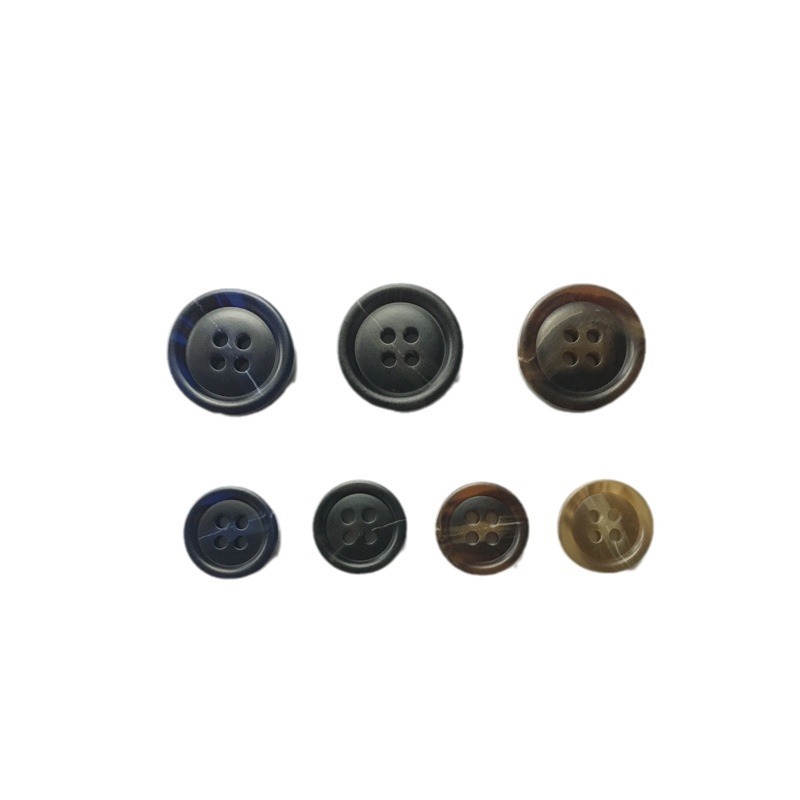
Durable NFC Button Tag with NTAG213 215 216. Ideal for access control, checkpoints, maintenance tracking, and authentication systems.
More >>
379.png)