D.O RFID TAG company is a RFID card manufacturers & factory, professional RFID card manufacturers , NFC tags suppliers and RFID Wristband company in shenzhen china for 15 years — Source Quality Products and Enjoy Efficient Service.
In the dynamic landscape of the clothing industry, which encompasses sectors like hotels, hospitals, and uniform providers, the need for efficient and reliable tracking solutions has never been more pressing. Manual inventory management is not only time-consuming but also error-prone, leading to significant losses. This is where washable RFID tags on clothes step in, revolutionizing the way we manage and monitor clothing items. This comprehensive guide will walk you through everything you need to know about these innovative tags in 2025.
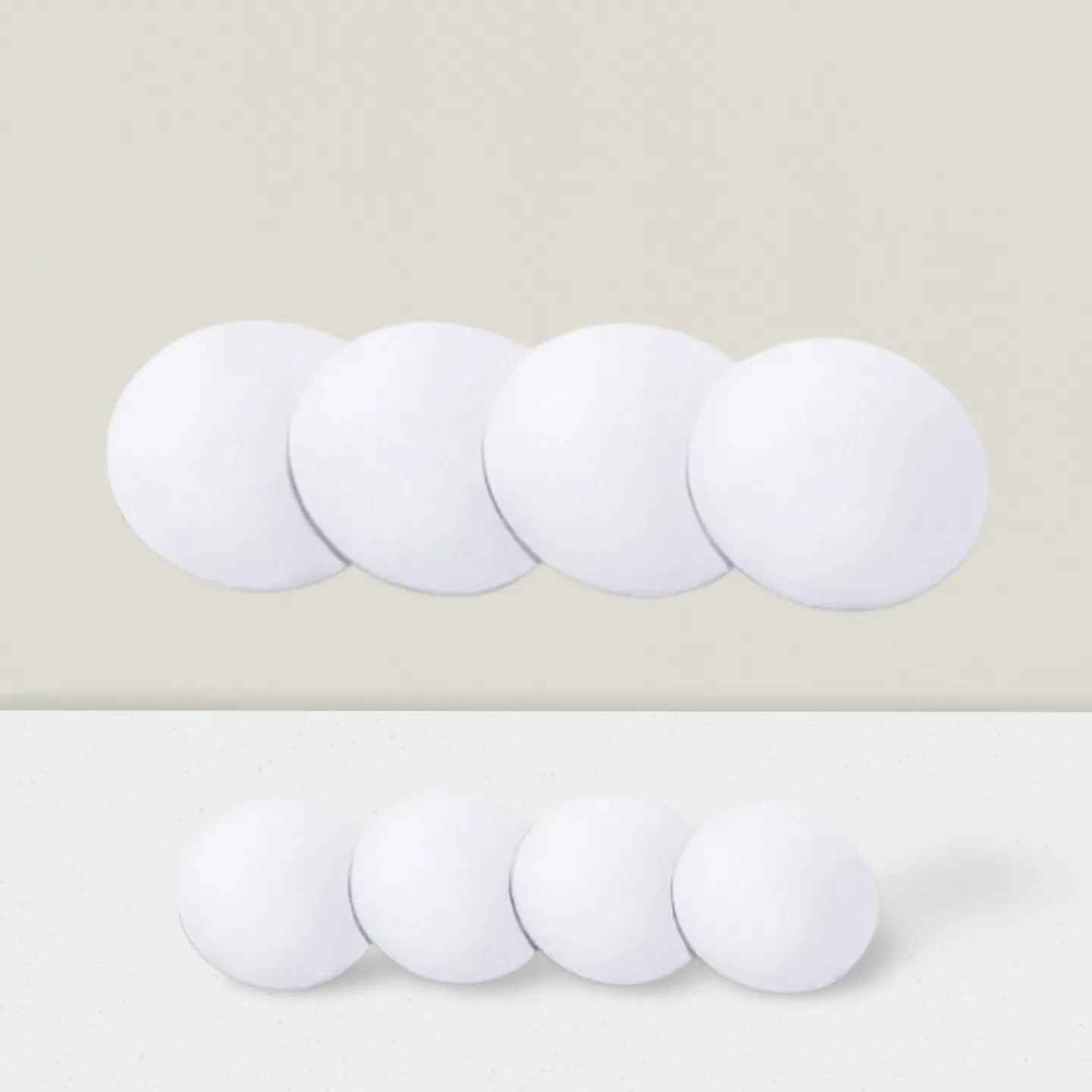
Washable RFID tags on clothes are specialized tracking devices that are designed to be sewn or attached to garments. They consist of a microchip and an antenna, all encased in a durable, waterproof material. This protective casing enables the tags to withstand the rigors of industrial washing, drying, and even exposure to harsh chemicals. For example, tags made from materials like PPS (Polyphenylene Sulfide) are highly resistant to water, shock, and moisture. These tags operate on radio frequency technology, allowing them to communicate with RFID readers without the need for direct line-of-sight contact. Key terms like “washable RFID clothing tags” and “waterproof RFID tags for laundry” are integral to understanding their nature.
In hotels, the management of large volumes of linen is a complex task. Traditional methods often result in high linen loss rates, sometimes as high as 25%. Washable RFID tags can reduce this loss significantly. They enable real - time tracking of each linen item, from the moment it leaves the laundry to its return to the hotel room. This not only cuts down on replacement costs but also ensures that there are always enough clean linens available for guests.
Hospitals face similar challenges, especially when it comes to managing patient gowns and surgical drapes. The use of RFID tags helps in maintaining strict hygiene standards by tracking the number of times an item has been washed and ensuring that it meets the required sterilization procedures.
For high - end sportswear brands, the ability to track inventory accurately is crucial. Washable RFID tags allow retailers to know exactly how many items are in stock, where they are located, and when they need to be restocked. This reduces the likelihood of overstocking or running out of popular items, leading to increased sales and customer satisfaction.
In the case of reusable workwear, RFID tags can track the lifespan of the garments, helping companies plan for replacements more effectively.
Compared to manual counting or using barcodes, washable RFID tags offer several advantages. They can be read in batches, which saves a substantial amount of time. For instance, while barcodes require individual scanning, an entire cart of clothes with RFID tags can be scanned in seconds, increasing efficiency by up to 80 times. They also provide a much higher level of accuracy, with inventory accuracy improving from around 95% with barcodes to over 99.9% with RFID.
These tags are engineered to withstand extreme conditions. They can endure temperature ranges from as low as - 40°C to as high as 200°C. This makes them suitable for use in industrial laundry equipment that operates at high temperatures.
Their resistance to chemicals used in detergents and fabric softeners ensures that they remain functional even after multiple washes.
High - quality washable RFID tags are designed to last for a significant number of wash cycles. Many tags on the market can endure 200 or more wash cycles, ensuring that they provide long - term value for businesses.
RFID tags operate on different frequencies, with UHF (Ultra - High Frequency) and HF (High Frequency) being the most common. UHF tags generally offer a longer reading distance, which can be up to several meters in some cases. This is useful for applications where quick inventory checks of large volumes of clothing are required, such as in a warehouse. HF tags, on the other hand, are more suitable for applications where a shorter, more precise reading distance is needed, like in a small retail store.
In commercial laundries, RFID tags streamline the entire laundry process. They enable automatic sorting of different types of textiles, reducing the time and effort required for manual sorting. In healthcare facilities, these tags play a vital role in ensuring the proper handling of patient - specific items. For example, they can help in tracking the movement of hospital gowns, ensuring that they are properly laundered and sterilized before being reused.
In factory settings, RFID - tagged workwear can be used to monitor the use and condition of the uniforms. This helps in scheduling maintenance and replacements. In the construction industry, where safety is of utmost importance, RFID tags can be used to ensure that workers are wearing the correct safety - compliant clothing.
Luxury brands often face issues with counterfeiting. Washable RFID tags can be used as a form of anti - counterfeiting measure, allowing consumers to verify the authenticity of their purchases. In the sportswear rental business, RFID tags can simplify the rental and return process, ensuring that all items are accounted for.
The cost of washable RFID clothing tags is influenced by several factors. The type of chip used is a significant determinant. Tags with more advanced chips, which offer better performance and features, tend to be more expensive. The method of encapsulation also affects the cost. Tags with high - quality, durable encapsulation materials will cost more but will also have a longer lifespan. Additionally, the quantity of tags ordered plays a crucial role. For example, when ordering in small quantities, the cost per tag can range from
0.20to
0.80. However, bulk order discounts are available, and as the order volume increases, the cost per tag can decrease significantly. Many suppliers offer incentives for large - scale purchases, such as reduced prices for orders of 1000 tags or more.
Waterproof and Wash Resistance Testing: A reliable supplier should be able to provide evidence of their tags’ waterproof and wash resistance. This can be in the form of test reports that show the tags have been subjected to a certain number of wash cycles at specific temperatures and with different detergents.
Number of Wash Cycles Certification: Look for suppliers who can guarantee a minimum number of wash cycles. For example, tags that are certified to withstand 200 or more wash cycles are a better choice for long - term use.
Chip Compatibility: Ensure that the tags are compatible with the RFID readers you already use or plan to use. The supplier should be able to provide information on the chip’s compatibility with different types of readers.
Some suppliers may offer more customization options, such as the ability to print company logos or unique serial numbers on the tags. Others may have more flexible minimum order quantities (MOQ). For example, if you are a small - scale business, you may prefer a supplier with a low MOQ. Additionally, factory - direct suppliers often offer more competitive pricing compared to middle - men distributors.
If you are considering purchasing washable RFID tags in bulk, it is essential to work with a reliable supplier. Many suppliers offer the option to customize the tags with your company logo, adding a professional touch to your clothing items. They also provide quick delivery times, ensuring that you receive your order in a timely manner. When you contact a supplier for a bulk order, they can provide you with a detailed quote based on your specific requirements, including the quantity of tags, the type of chip, and any customization options. Additionally, they can offer advice on the best - suited tags for your particular application.
Yes, washable RFID tags are designed to be highly waterproof. Tags made from materials like PPS or silicone are IP68 - rated, which means they can be fully submerged in water without affecting their functionality. They are also resistant to splashes and moisture, making them suitable for use in laundry environments.
High - quality washable RFID clothing tags can survive anywhere from 200 to 500 wash cycles, depending on the brand and the manufacturing quality. Tags from well - known manufacturers like GAO RFID and Datamars are often tested and certified to withstand a minimum of 200 industrial wash cycles, ensuring long - term durability.
Yes, most washable RFID tags are designed to be easily attached to clothes. They can be sewn into the hem, inside a fabric pouch, or heat - sealed under a patch. Tags with a fabric - like texture can be sewn using a regular sewing machine, while others may require specialized heat - sealing equipment for a more secure attachment.
Industries such as hospitality (hotels, resorts), healthcare (hospitals, clinics), uniform providers (for factories, construction companies), and the retail sector (especially for high - end and rental clothing) benefit significantly from washable RFID tags. These industries deal with large volumes of clothing items and require efficient tracking and inventory management to reduce costs and improve operations.
The Ultimate Guide to Washable RFID Tags on Clothes (2025)
How Many Washes Can a Washable RFID Tag Survive?
RFID vs. Barcode for Clothing Inventory: A Detailed Comparison
Top 5 Applications of Washable RFID Tags in 2025
Are RFID Tags in Clothing Safe? Privacy and Health Facts
Herpetology Research PIT Tag for Reptiles and Amphibians
More >>
Laboratory Rodent Identification RFID Microchip
More >>
Salmon and Trout Telemetry PIT Tag for River Monitoring
More >>
ICAR Registration RFID Tag for Livestock and Veterinary Use
More >>
Durable NFC Button Tag with NTAG213 215 216. Ideal for access control, checkpoints, maintenance tracking, and authentication systems.
More >>
379.png)