
D.O RFID TAG company is a RFID card manufacturers & factory, professional RFID card manufacturers , NFC tags suppliers and RFID Wristband company in shenzhen china for 15 years — Source Quality Products and Enjoy Efficient Service.
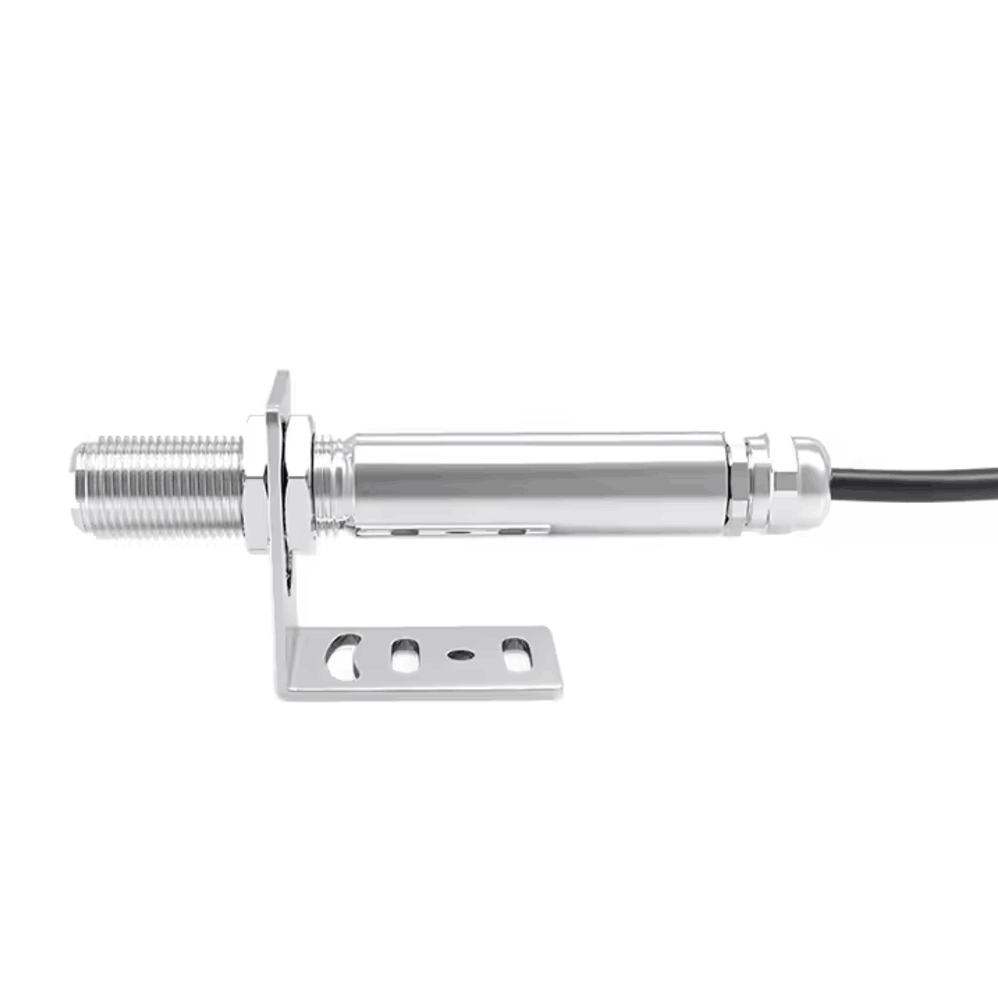
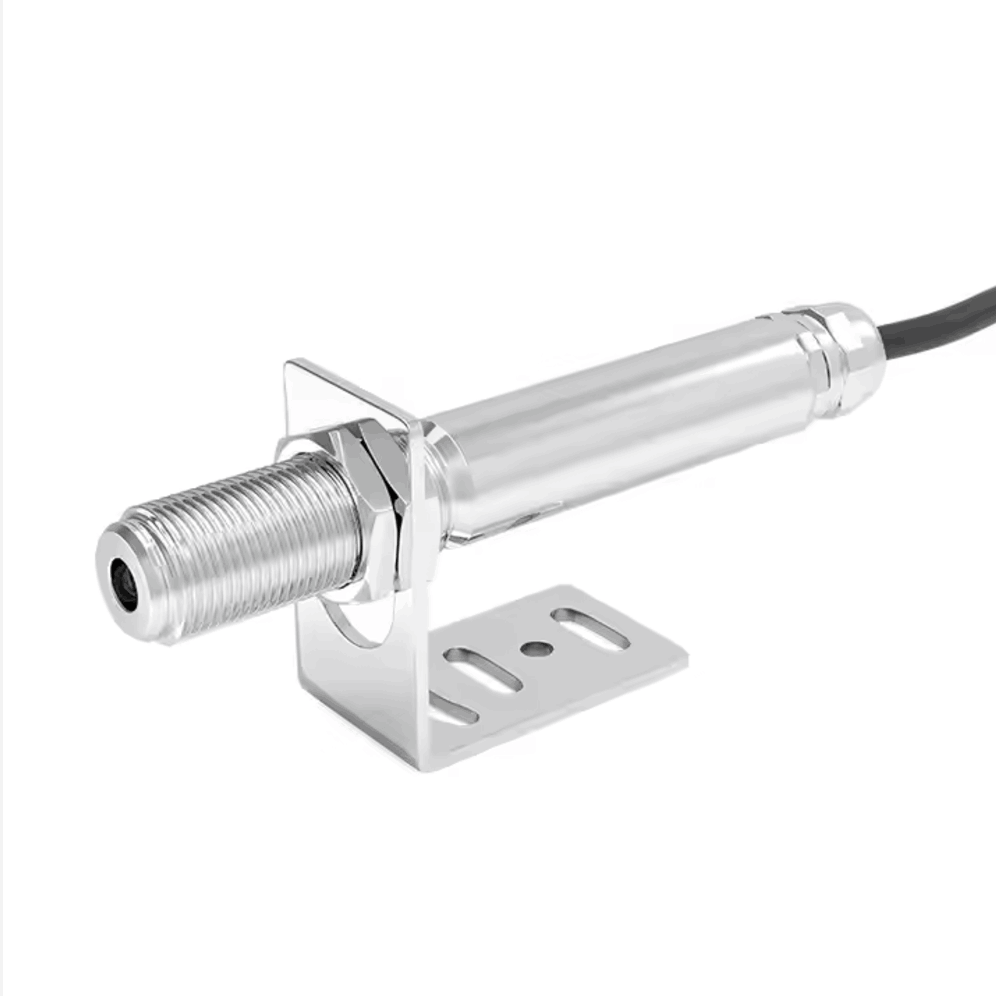
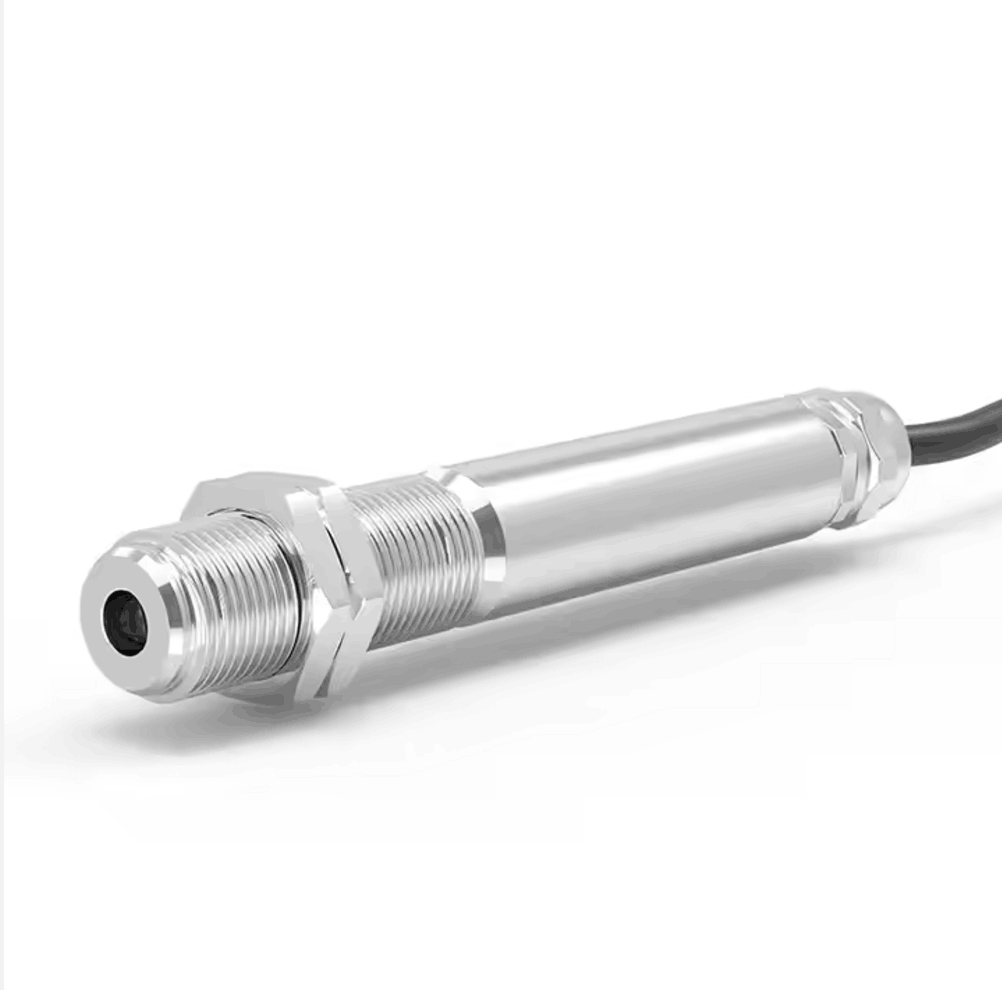
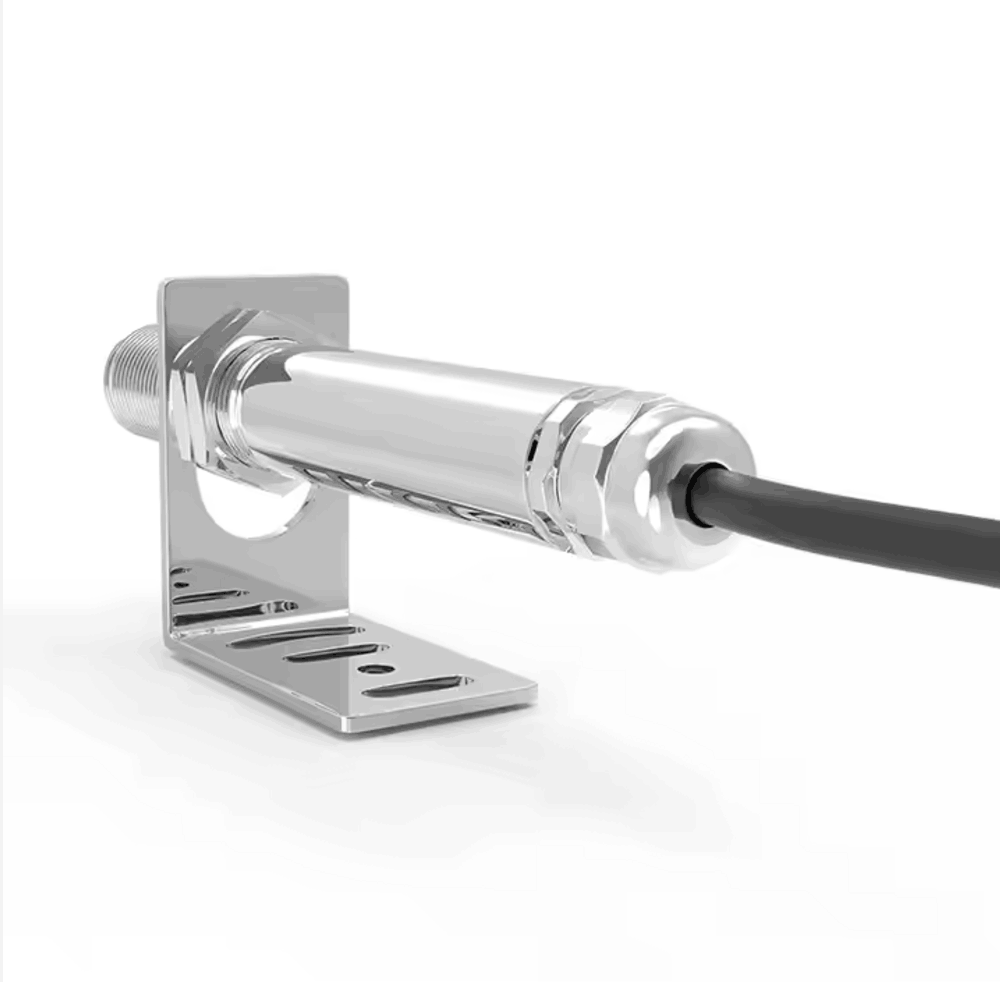
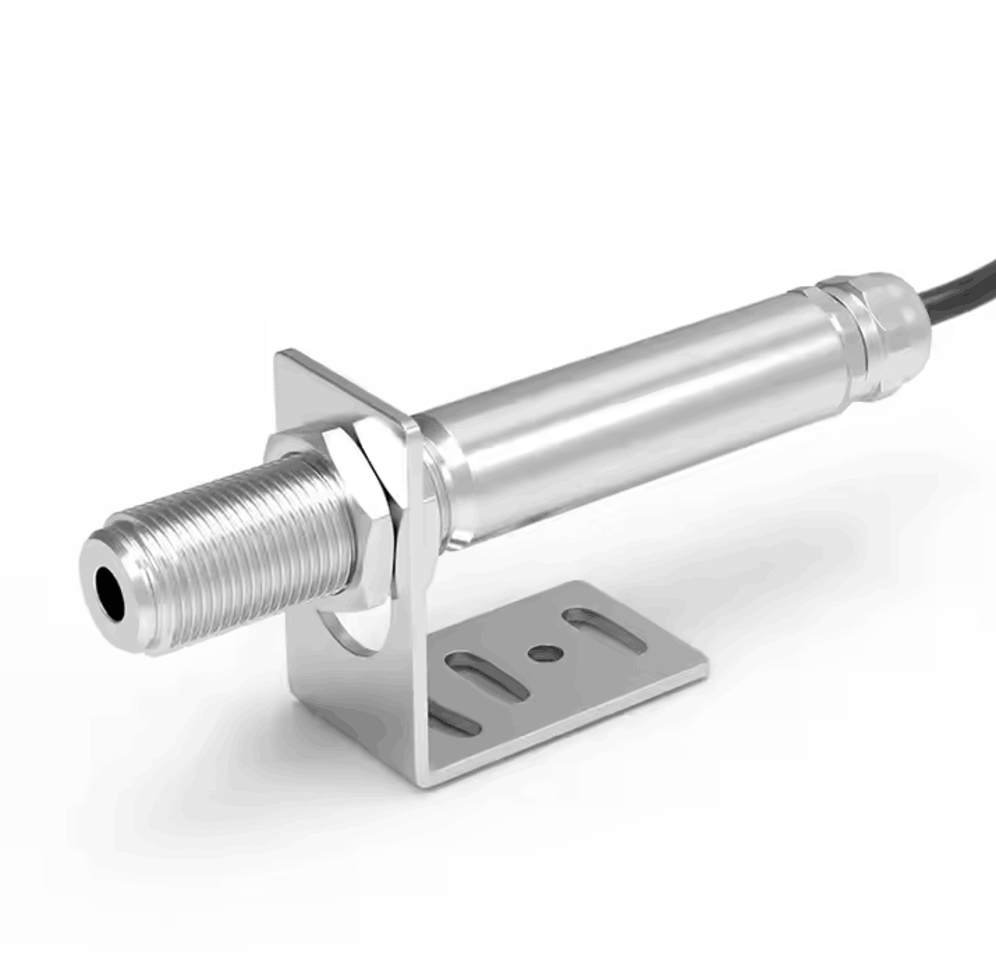
An infrared sensor for temperature is a powerful tool designed to measure the temperature of surfaces without any physical contact. This advanced technology plays a crucial role in industrial applications, offering precise, fast, and safe temperature readings for a wide variety of surfaces and materials. Whether you need to monitor machinery, electrical equipment, or high-temperature processes, an infrared sensor for temperature provides an efficient and reliable solution.
Infrared temperature sensors operate by detecting the infrared radiation emitted by an object. All objects with a temperature above absolute zero emit infrared radiation, and the amount of radiation is directly related to the object's temperature. The sensor captures this radiation and converts it into an electrical signal, which is then processed to provide an accurate temperature reading. This process enables temperature measurement without making contact with the surface, offering several advantages, such as improved safety and the ability to measure hard-to-reach areas.
How does an infrared temperature sensor work? The sensor detects infrared energy from the surface and correlates it to the surface temperature, thanks to the physical law known as Planck’s Law, which relates the emitted infrared radiation to the temperature of the object. The result is an accurate temperature measurement, whether the object is moving, is too hot to touch, or is in a hazardous environment.
Non-Contact Measurement
An infrared sensor for temperature provides a completely contact-free measurement, making it ideal for situations where touching the surface is dangerous, impractical, or impossible. It is especially useful in monitoring high-temperature surfaces, electrical components, and moving machinery.
Spot Size and Distance
The spot size is determined by the sensor's field of view (FOV), which, in turn, is affected by the distance from the target. Understanding the relationship between the distance to the object and the spot size is crucial when selecting the right infrared sensor for temperature measurements, especially when measuring very small or distant objects.
Spectral Response
Different surfaces emit infrared radiation at different wavelengths, so the spectral response of the sensor must be carefully considered. Most general-purpose infrared sensors have a spectral response in the range of 7 to 14 microns, which works for most non-reflective surfaces. However, reflective metal surfaces may require sensors with a shorter wavelength (around 2 microns) to achieve accurate readings.
Outputs for Data Integration
An infrared sensor for temperature can be equipped with a variety of output options, such as 4-20mA, 0-5/10V DC, thermocouples, USB, and RS485. These outputs allow the sensor to be easily integrated into larger systems, such as data acquisition systems, PLCs (Programmable Logic Controllers), or real-time monitoring setups.
Power Supply
Infrared sensors for temperature typically require a DC voltage supply. However, there are also self-powered infrared thermocouples that do not require external power, making them ideal for applications where external power is unavailable or undesirable.
Additional Features
Many modern infrared temperature sensors include advanced features such as built-in displays for real-time temperature monitoring, data logging capabilities to track temperature trends, and alarm systems that can alert operators when a temperature threshold is exceeded.
Infrared sensors for temperature are widely used in various industries due to their non-invasive, accurate, and fast measurements. Here are some common applications:
Industrial Equipment Monitoring: Ensuring the temperature of machinery and equipment stays within optimal ranges to prevent damage and extend the lifespan of equipment.
Electrical Monitoring: Identifying overheating components in electrical systems to prevent failures and reduce the risk of fire or electrical malfunctions.
HVAC Systems: Monitoring the temperature of heating, ventilation, and air conditioning systems to ensure efficient operation and energy savings.
Automotive and Aerospace: Used in engine temperature monitoring, exhaust systems, and aircraft engine parts for precise temperature control and maintenance.
Food Processing: Ensuring that food is processed at safe temperatures to comply with safety regulations and optimize quality.
Safety
Infrared sensors for temperature allow for temperature measurement without any physical contact with the surface. This is particularly useful in hazardous environments, such as high-voltage electrical systems, hot surfaces, or dangerous chemical processes, where contact-based temperature measurement could be risky.
Speed and Efficiency
These sensors offer fast response times, making them suitable for real-time temperature monitoring and quick adjustments to ensure equipment operates within safe temperature ranges. The non-contact nature of the measurement also ensures that the process is more efficient than traditional contact-based methods.
Accuracy and Reliability
With high precision and minimal error, infrared temperature sensors provide consistent and reliable measurements, essential for industrial applications where even slight temperature fluctuations can lead to equipment failure or reduced performance.
Versatility
An infrared sensor for temperature can be used in a wide variety of environments and industries, offering a flexible solution for all your temperature monitoring needs. From manufacturing plants to energy systems, these sensors can be tailored to meet the specific requirements of any application.
In conclusion, an infrared sensor for temperature is a highly effective tool for non-contact temperature measurement across a wide range of applications. By detecting infrared radiation emitted by objects and converting it into precise temperature readings, these sensors offer an efficient, safe, and accurate way to monitor temperature in industrial, electrical, and mechanical systems. Whether you are monitoring machinery, electrical components, or high-temperature processes, an infrared temperature sensor is a valuable addition to your monitoring toolkit.
Understanding how does an infrared temperature sensor work and considering features such as spectral response, spot size, output options, and power supply can help you choose the best sensor for your needs. The combination of safety, speed, accuracy, and versatility makes infrared sensors for temperature an indispensable technology for modern industries.
If you want to ask anything just fill in the form below and send us. We will contact you within 12 hours.