
D.O RFID TAG company is a RFID card manufacturers & factory, professional RFID card manufacturers , NFC tags suppliers and RFID Wristband company in shenzhen china for 15 years — Source Quality Products and Enjoy Efficient Service.
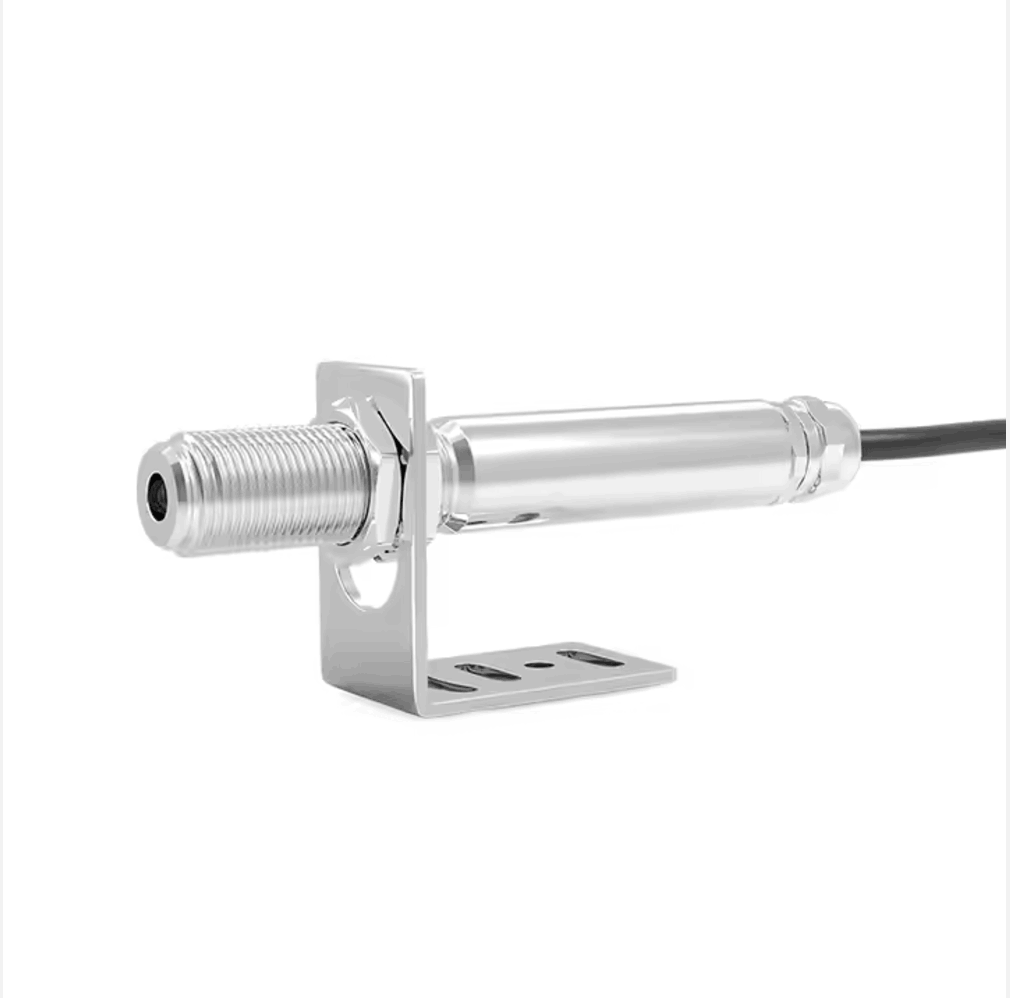
Infrared temperature sensors are essential tools used to measure the temperature of objects without making direct contact. These sensors use infrared radiation, a natural form of energy emitted by all objects, to provide accurate and non-intrusive temperature readings. Whether you're monitoring industrial machinery, electrical components, or even food processing, infrared temperature sensors offer fast, reliable, and safe temperature measurement solutions across a wide range of industries.
Understanding how infrared temperature sensor works is key to appreciating its value in various applications. Infrared temperature sensors operate based on a simple yet powerful principle: every object emits infrared radiation in proportion to its temperature. The sensor detects this infrared radiation and converts it into an electrical signal, which is then processed to calculate the surface temperature of the object.
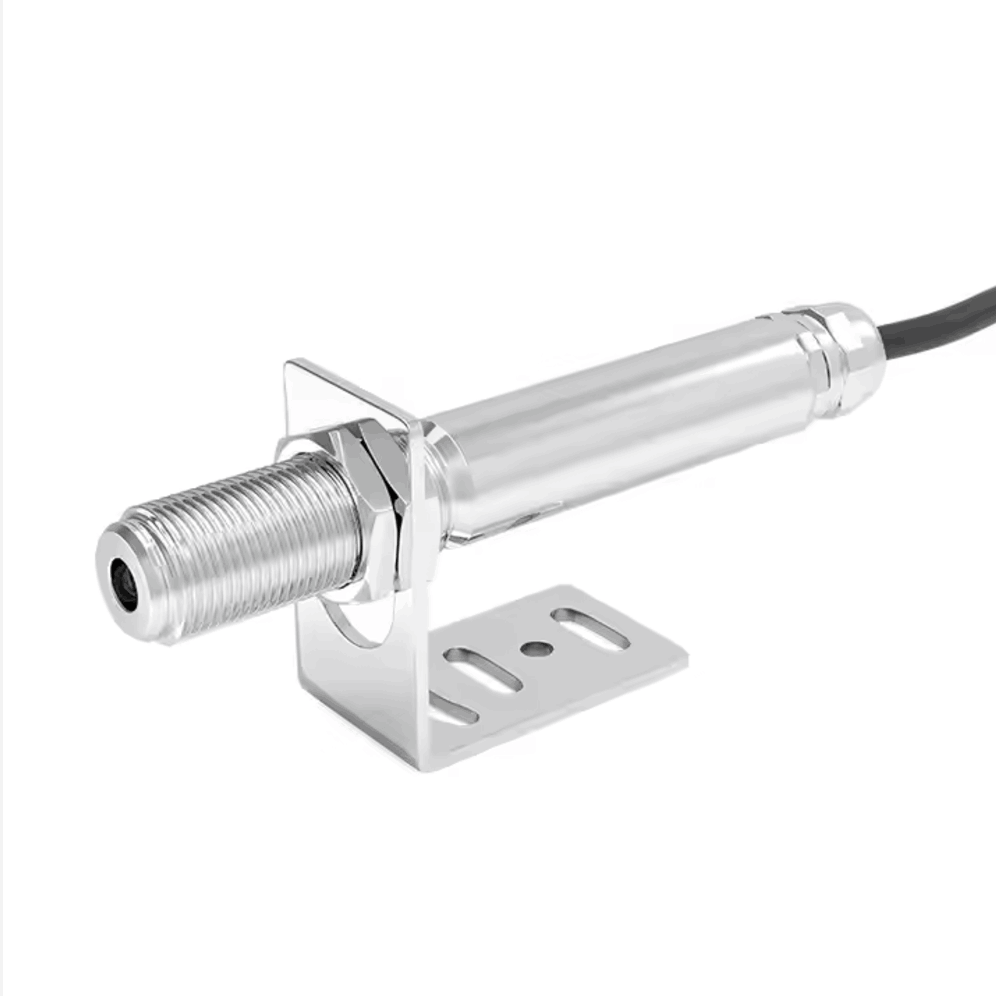
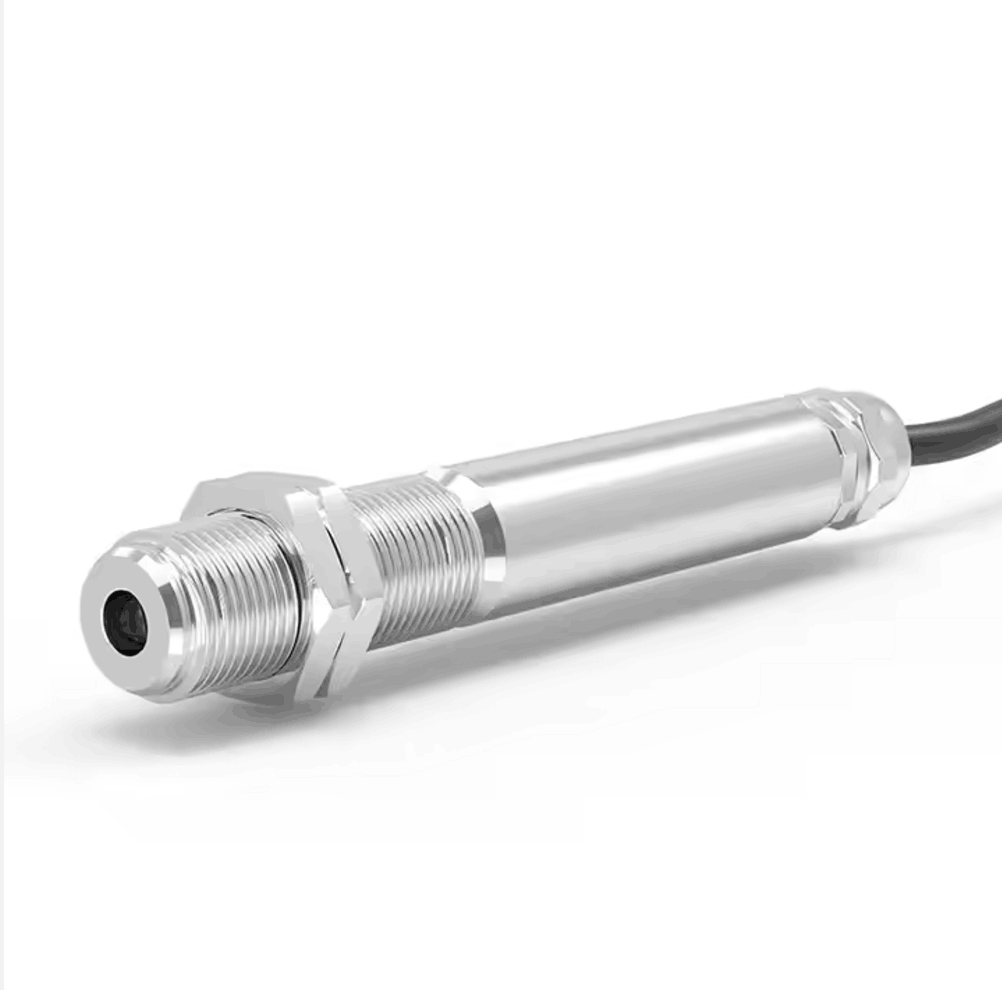
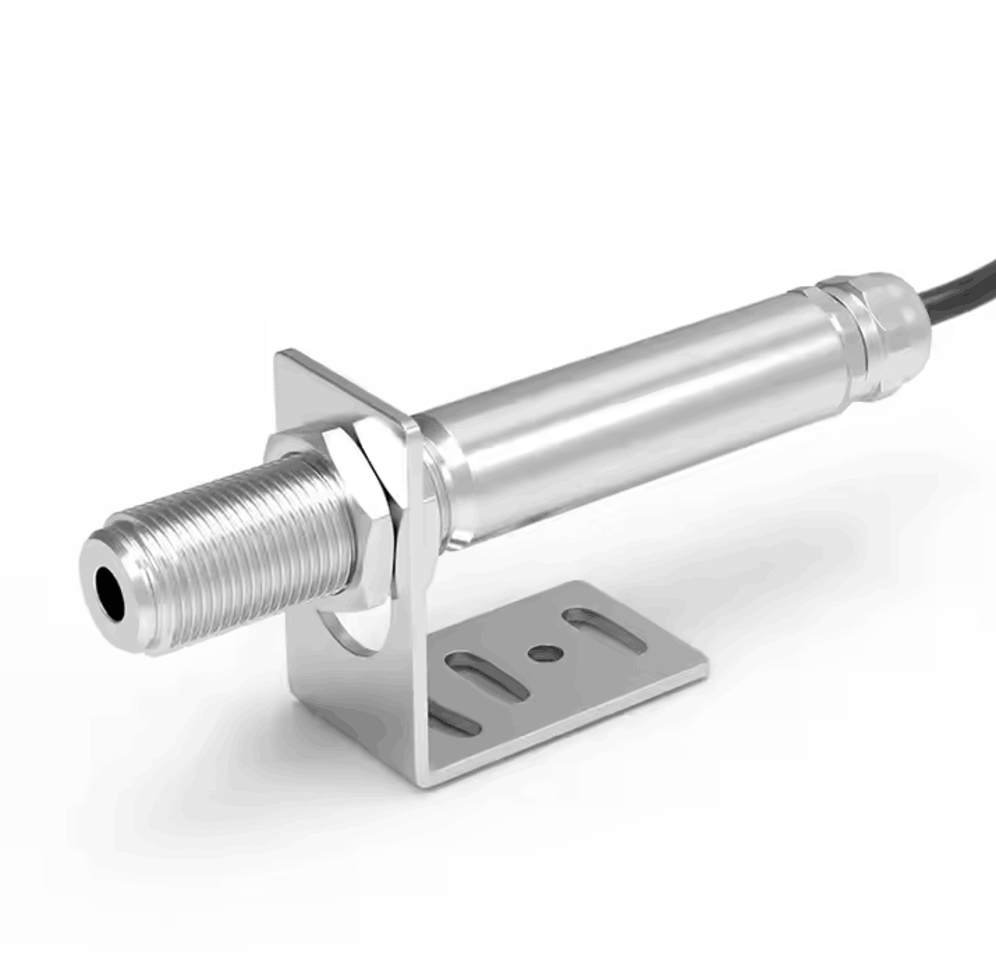
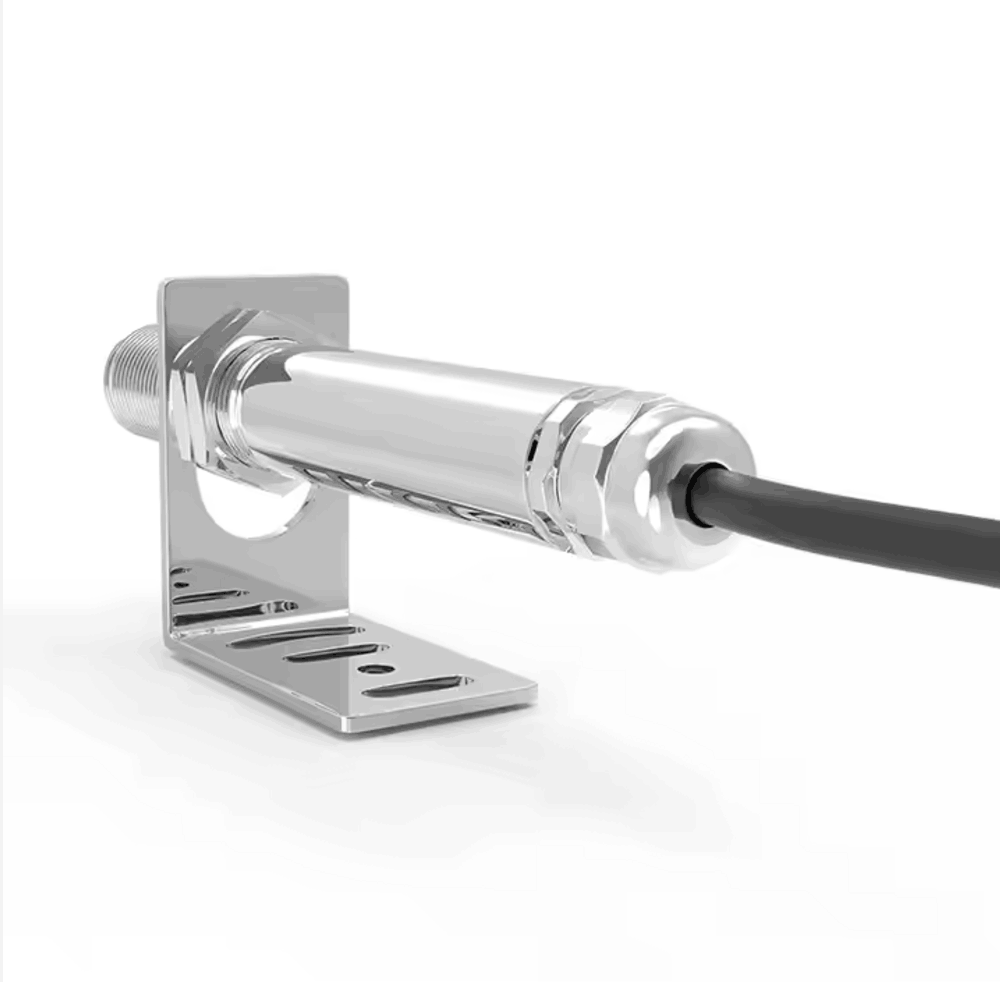
An infrared temperature sensor typically consists of a lens or optical system to focus the infrared energy onto a detector. The detector then measures the intensity of the infrared radiation and calculates the corresponding temperature. Since this process doesn't require direct contact with the object being measured, infrared sensors provide a non-invasive way to monitor temperature, making them perfect for applications where contact-based temperature sensors may not be suitable.
Non-Contact Measurement
One of the main advantages of infrared temperature sensors is that they measure temperature without any physical contact with the object. This non-contact feature makes these sensors ideal for measuring temperatures in hard-to-reach areas, hazardous environments, or surfaces that are too hot to touch.
Fast and Accurate Readings
Infrared temperature sensors are known for their rapid response times. These sensors can deliver real-time temperature data almost instantly, ensuring that any sudden temperature changes are detected and addressed quickly. The high accuracy of infrared temperature sensors makes them perfect for critical temperature monitoring where precision is essential.
Wide Temperature Range
Infrared temperature sensors can measure a wide range of temperatures, from very low to extremely high. This makes them versatile tools for various applications, such as monitoring industrial processes, electrical equipment, and even environmental conditions.
Spot Size and Distance
The spot size of an infrared temperature sensor refers to the area that the sensor measures. This size depends on the sensor’s optical system and the distance between the sensor and the object being measured. Knowing the relationship between distance and spot size is crucial for choosing the right infrared sensor, especially for applications that require precise measurements of small objects or distant surfaces.
Adjustable Spectral Response
Different infrared temperature sensors come with adjustable spectral response options. While most sensors work within the 7-14 micron range, which is ideal for non-reflective surfaces, some models are designed to measure reflective metals or specialized materials that require a shorter spectral response.
Multiple Output Options
Infrared temperature sensors offer various output options, such as analog (4-20mA, 0-5V), digital (USB, RS485), or even thermocouple outputs. These outputs allow for seamless integration with other systems, such as PLCs (Programmable Logic Controllers), data loggers, or monitoring software.
Infrared temperature sensors are used in a wide range of industries and applications, including:
Manufacturing: Monitoring the temperature of machinery, production lines, and materials to ensure optimal performance and avoid overheating.
Electrical Systems: Identifying potential hotspots in electrical circuits, transformers, and panels to prevent overheating, failure, or fire hazards.
HVAC Systems: Measuring air, pipe, and surface temperatures in heating, ventilation, and air conditioning systems to improve efficiency and optimize performance.
Automotive: Monitoring engine, exhaust, and brake component temperatures to ensure vehicle safety and performance.
Food Processing: Ensuring that food is processed and stored at the right temperatures to meet health and safety standards.
Energy and Power: Checking the temperature of turbines, boilers, and power lines in energy plants to ensure safe and efficient operation.
Safety
Infrared temperature sensors are ideal for measuring the temperature of objects that are too hot to touch, hazardous to approach, or in difficult-to-reach locations. Their non-contact nature ensures that operators can safely monitor temperatures without coming into direct contact with dangerous or high-temperature surfaces.
Efficiency and Speed
Infrared sensors provide real-time data with minimal delay. This speed is crucial in industrial applications where temperature fluctuations need to be detected instantly to prevent potential damage or failure. By enabling quick response times, these sensors improve overall efficiency and reduce downtime.
Accuracy and Reliability
Infrared temperature sensors are known for their precise and consistent measurements. They provide reliable data that can be used to maintain optimal operating conditions, prevent overheating, and ensure the longevity of equipment.
Versatility and Flexibility
Infrared temperature sensors can be used in a variety of applications across different industries. Whether you're monitoring the temperature of food, machinery, or electrical equipment, these sensors offer the flexibility to meet a wide range of temperature monitoring needs.
Cost-Effective Solution
With no need for physical contact or probes, infrared temperature sensors reduce the risk of damage to sensitive surfaces and eliminate maintenance costs associated with traditional contact-based temperature sensors. Their ability to quickly measure temperature without causing disruption also makes them a cost-effective option in the long run.
In conclusion, infrared temperature sensors are powerful, efficient, and versatile tools that provide accurate non-contact temperature measurements for a wide range of applications. By using infrared radiation to calculate the surface temperature of an object, these sensors offer numerous advantages, such as safety, speed, accuracy, and reliability. Whether you're monitoring industrial processes, electrical systems, or environmental conditions, infrared temperature sensors provide an indispensable solution for modern temperature measurement.
Understanding how infrared temperature sensor works is crucial in selecting the right sensor for your specific needs. With features like fast response times, adjustable spectral response, and easy integration with other systems, these sensors ensure that you can monitor temperatures effectively and efficiently across a wide array of applications.
If you want to ask anything just fill in the form below and send us. We will contact you within 12 hours.