
D.O RFID TAG company is a RFID card manufacturers & factory, professional RFID card manufacturers , NFC tags suppliers and RFID Wristband company in shenzhen china for 15 years — Source Quality Products and Enjoy Efficient Service.
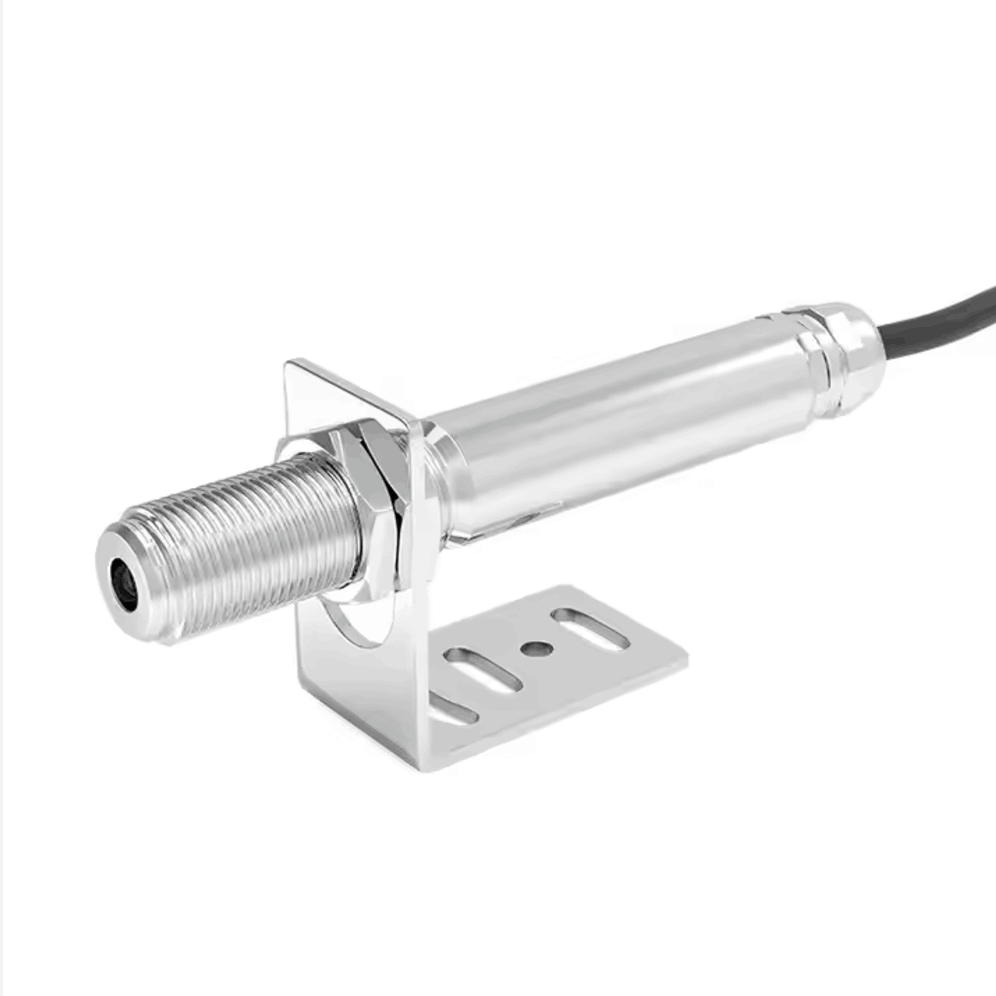
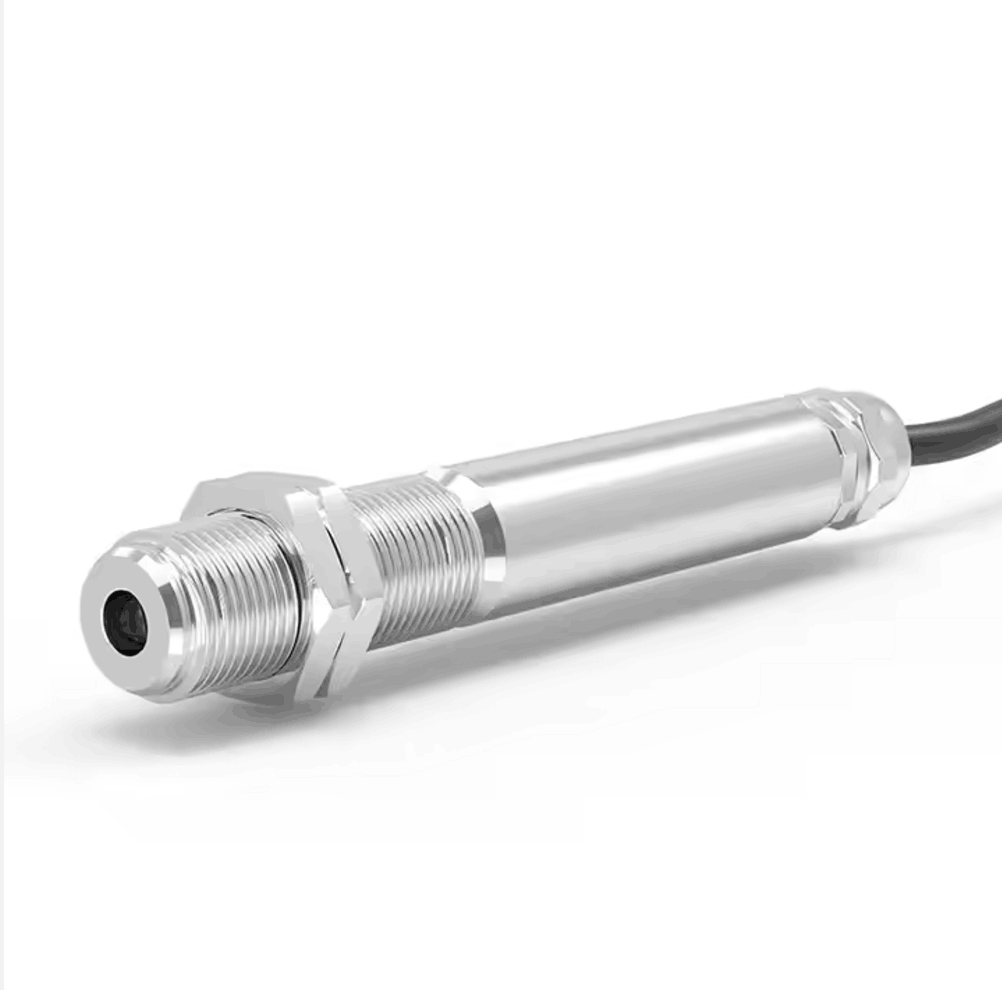
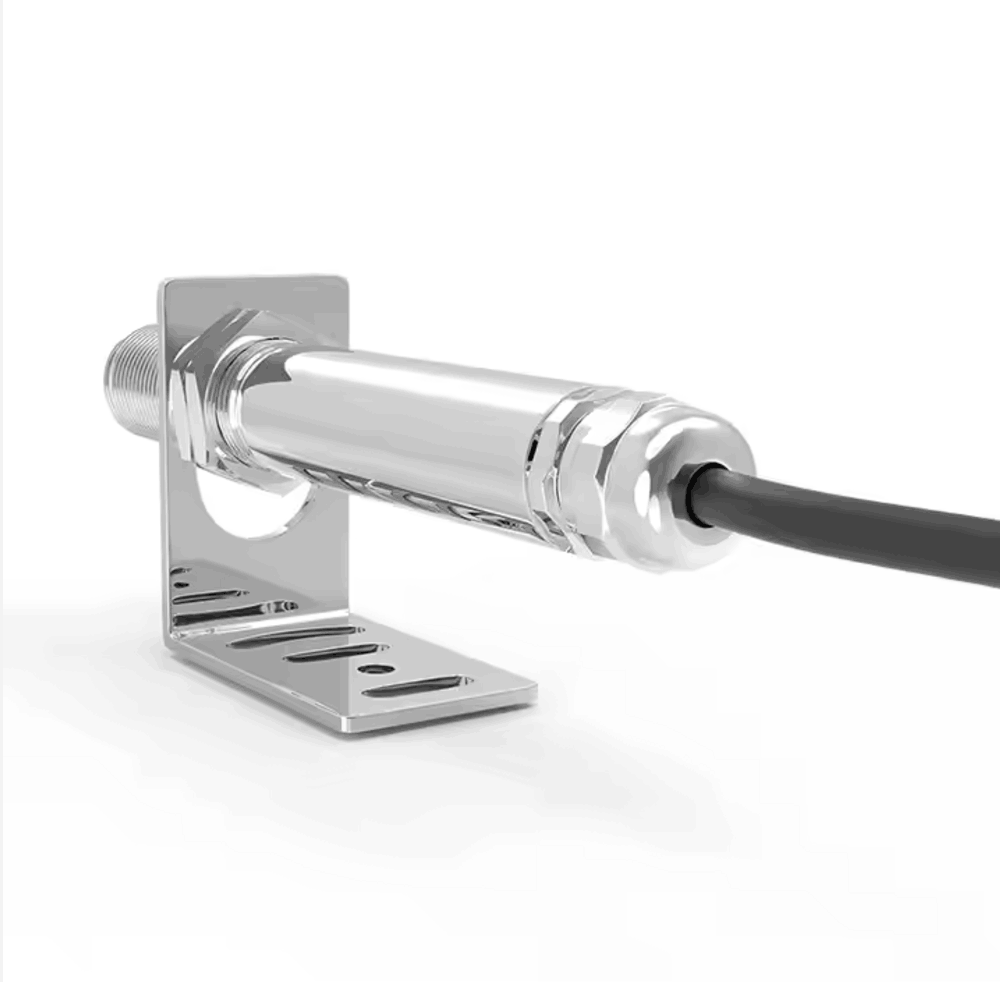
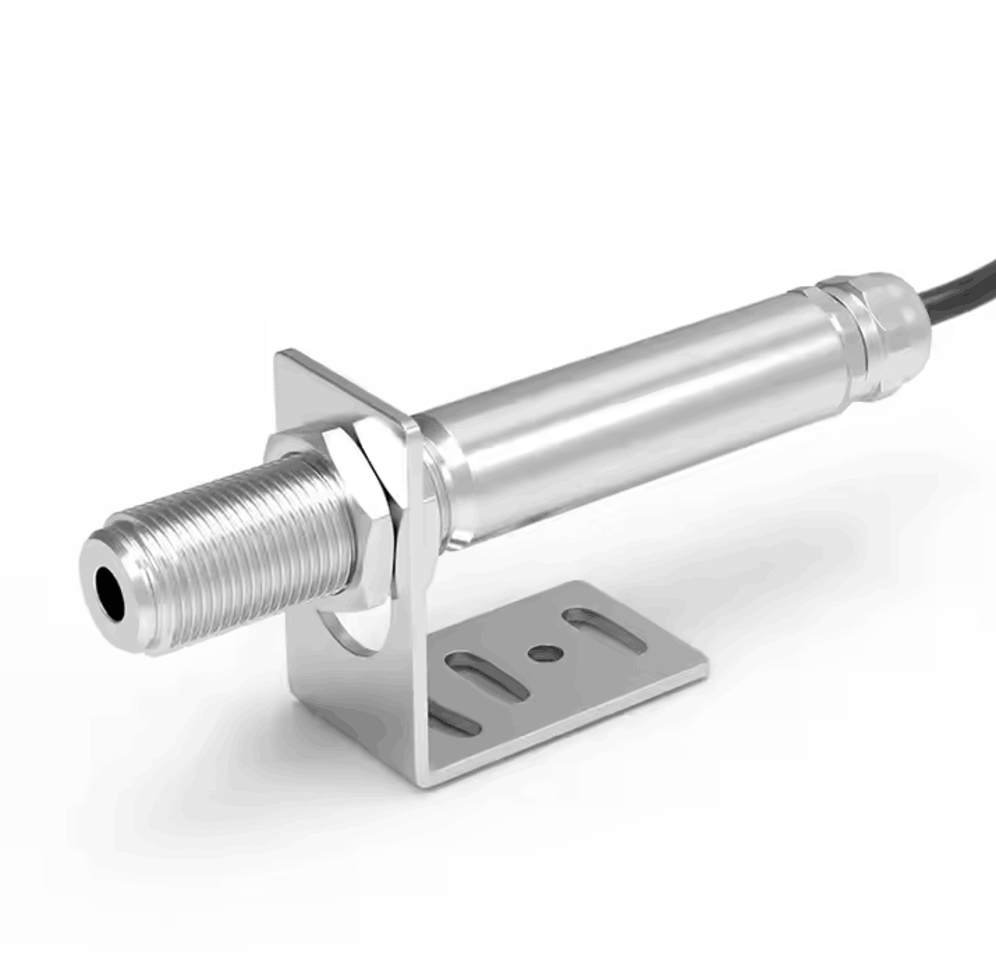
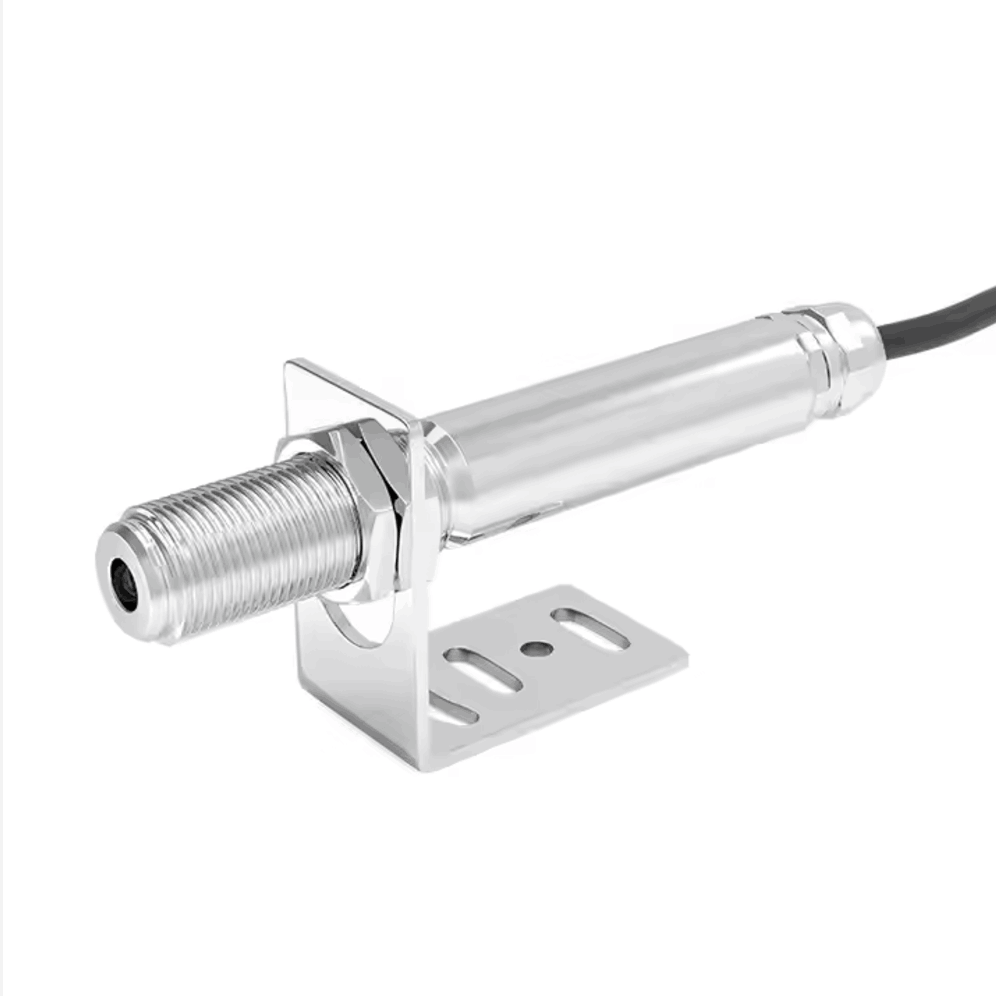
A temperature sensor infrared is a powerful tool used to measure the temperature of an object or surface without the need for physical contact. By detecting infrared radiation emitted by an object, these sensors provide accurate and reliable temperature readings, making them essential for a wide range of applications in industries such as manufacturing, HVAC, automotive, and even healthcare. The ability to measure temperature remotely offers significant advantages in terms of safety, efficiency, and convenience.
Understanding how infrared temperature sensors work is essential for maximizing their potential. Infrared temperature sensors detect infrared radiation, a type of electromagnetic radiation that all objects emit depending on their temperature. The hotter the object, the more infrared radiation it emits. This radiation is focused by the sensor’s optical system onto a detector, which then calculates the object’s surface temperature based on the intensity of the emitted radiation.
The process behind how a temperature sensor infrared works is based on the principles of thermodynamics. Each object, regardless of whether it’s a solid, liquid, or gas, emits infrared radiation when it has a temperature above absolute zero. The infrared temperature sensor analyzes this radiation and translates it into an electrical signal, which is then processed to give a precise temperature reading.
Since these sensors are non-contact, they can measure temperature from a distance, which is ideal for applications where direct contact would be harmful, inconvenient, or impossible. This makes them invaluable in environments that involve high heat, moving objects, or hazardous materials.
Non-Contact Measurement
The main advantage of using a temperature sensor infrared is that it measures temperature without the need to touch the object. This non-contact feature makes these sensors ideal for monitoring hot surfaces, hazardous environments, or objects that are difficult to reach. The ability to measure temperature remotely helps improve safety, prevent accidents, and reduce the risk of contamination or damage.
Fast Response Time
Infrared temperature sensors provide instant temperature readings, often within milliseconds. This speed allows for real-time monitoring and quick responses to temperature fluctuations, which is essential for processes that rely on strict temperature control, such as industrial automation or quality assurance in manufacturing.
Wide Temperature Range
Temperature sensor infrared models come with a broad range of temperature measurement capabilities, from very low temperatures in cryogenic environments to extremely high temperatures encountered in industrial applications. This flexibility makes them versatile tools for a variety of industries, from food safety to metal processing.
High Accuracy and Precision
Infrared temperature sensors offer high levels of accuracy, which is crucial in many industrial and scientific applications. By precisely measuring infrared radiation, these sensors can detect even the smallest temperature variations, ensuring optimal performance and preventing overheating or equipment failure.
Adjustable Spot Size
The spot size, or the area that the sensor measures, can vary depending on the sensor’s field of view and the distance from the object being measured. Some temperature sensor infrared models allow users to adjust the spot size, giving them the flexibility to measure both large and small objects with high precision.
Multiple Output Options
Many temperature sensor infrared devices come with a variety of output options, including analog (4-20mA, 0-5V) or digital outputs (USB, RS485). This makes it easy to integrate these sensors into existing systems, allowing for seamless data collection, logging, and analysis in real-time.
The versatility of temperature sensor infrared technology makes it a key component in many industries:
Manufacturing and Industrial Automation
In industrial settings, temperature sensor infrared devices are widely used to monitor the temperature of machines, electrical components, and production lines. This helps prevent overheating, maintain equipment performance, and ensure product quality. Infrared sensors can also be used to detect hot spots in equipment, which may indicate the need for maintenance or repairs.
Electrical Systems and Power Plants
Temperature sensor infrared technology is commonly used in electrical systems to monitor transformers, circuit breakers, and other critical components. By detecting temperature fluctuations, these sensors can identify overheating issues that could lead to equipment failure, fires, or downtime.
HVAC Systems
Infrared temperature sensors are integral in heating, ventilation, and air conditioning (HVAC) systems, where they are used to measure air temperature, surface temperatures of ducts, or the temperature of pipes and machinery. This data helps optimize system efficiency and ensures that HVAC equipment operates within safe temperature ranges.
Food Industry
Temperature sensor infrared technology is widely used in the food industry to monitor the temperature of food products during processing, cooking, and storage. These sensors help ensure that food is heated or cooled to the correct temperature, which is crucial for both food safety and quality control.
Healthcare and Medical Devices
In medical applications, temperature sensor infrared technology is used in non-contact thermometers, allowing healthcare providers to quickly and safely take a person’s temperature without physical contact. This is especially important for monitoring patients in sterile environments or when taking the temperature of large groups of people, such as during public health screenings.
Automotive
In the automotive industry, infrared temperature sensors are used to monitor engine temperatures, exhaust systems, and brake components. This ensures that the vehicle operates safely and efficiently while preventing overheating that could lead to system failures.
Safety
One of the main reasons to choose a temperature sensor infrared is its ability to measure temperature without the need for physical contact. This helps keep workers safe in high-risk environments, such as monitoring machinery or electrical systems that may be too dangerous to touch.
Efficiency
Infrared temperature sensors are designed for quick, real-time measurements, which significantly enhances efficiency in industrial, automotive, and healthcare settings. Fast data collection and analysis allow for timely interventions when temperature issues arise, minimizing downtime and preventing costly equipment failures.
Versatility
Temperature sensor infrared devices can be used in a wide range of applications, from non-contact thermometers for healthcare to industrial monitoring systems for electrical and mechanical components. Their broad temperature range and adjustable spot size make them adaptable to various needs.
Cost-Effective
By reducing the need for physical probes, infrared temperature sensors lower maintenance and operational costs. Their long lifespan and ability to measure temperature without physical wear and tear make them a cost-effective solution in the long run.
Precision
Infrared temperature sensors provide highly accurate and consistent measurements, which is crucial in applications that require tight temperature control, such as manufacturing, food processing, and healthcare.
In conclusion, temperature sensor infrared technology offers a reliable, efficient, and safe solution for non-contact temperature measurement. Whether you're monitoring machinery, electrical components, food products, or patient temperatures, infrared sensors provide fast and accurate readings without the need for physical contact. By understanding how infrared temperature sensors work, you can choose the right sensor for your needs and ensure optimal performance in your application. With their precision, versatility, and safety benefits, temperature sensor infrared devices are essential tools for industries across the globe.
If you want to ask anything just fill in the form below and send us. We will contact you within 12 hours.