
D.O RFID TAG company is a RFID card manufacturers & factory, professional RFID card manufacturers , NFC tags suppliers and RFID Wristband company in shenzhen china for 15 years — Source Quality Products and Enjoy Efficient Service.
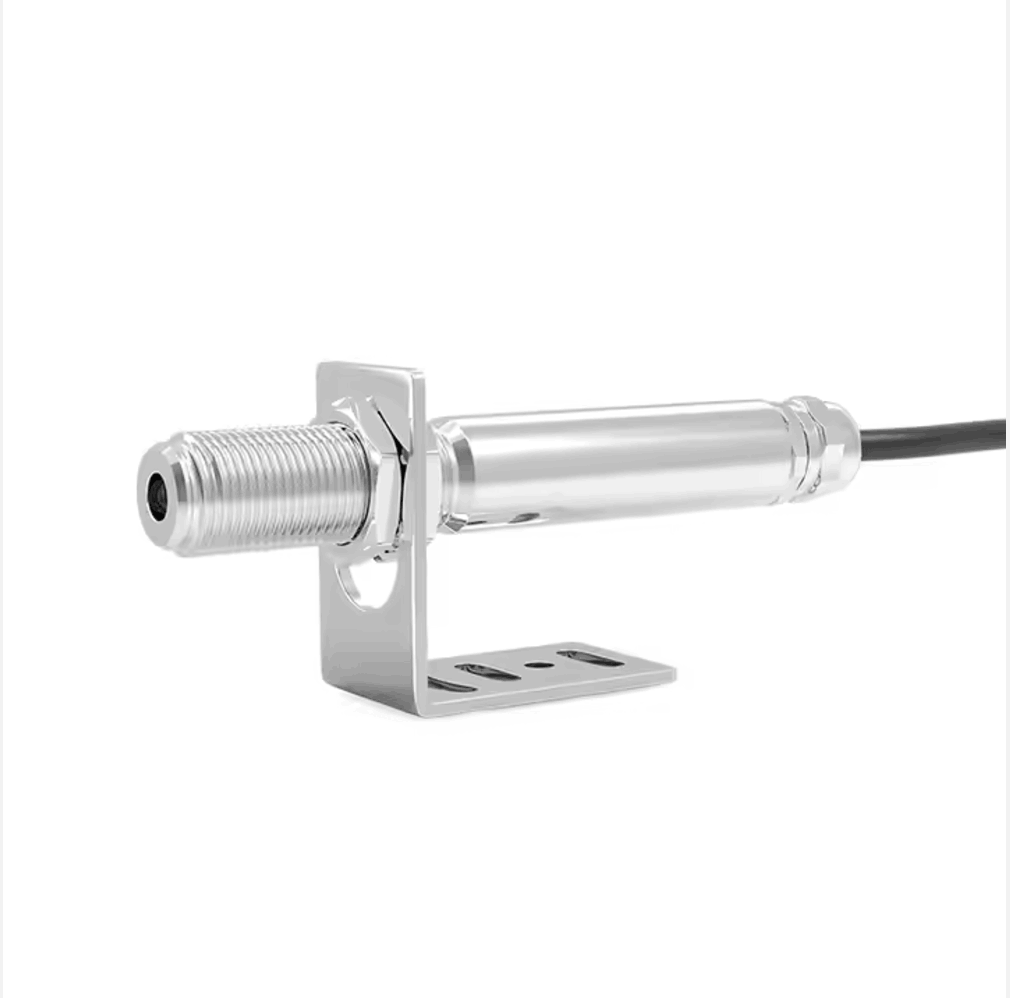
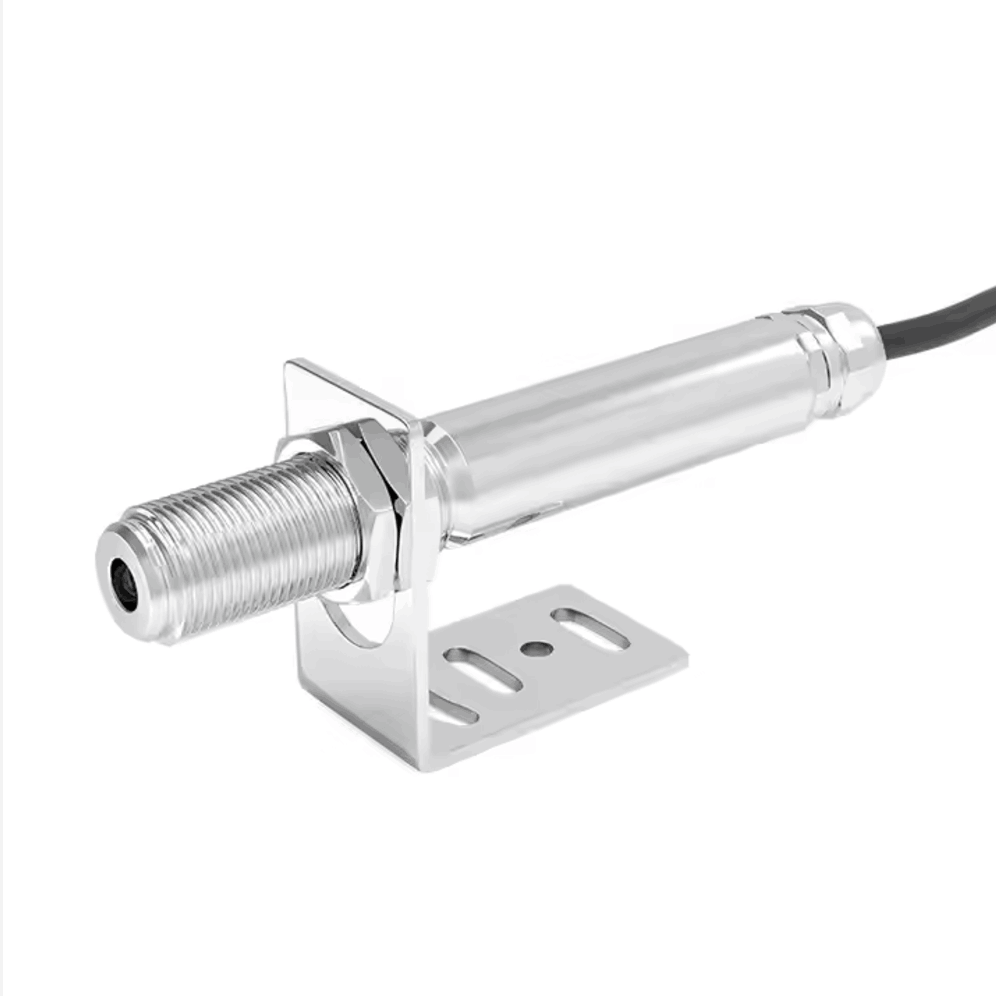
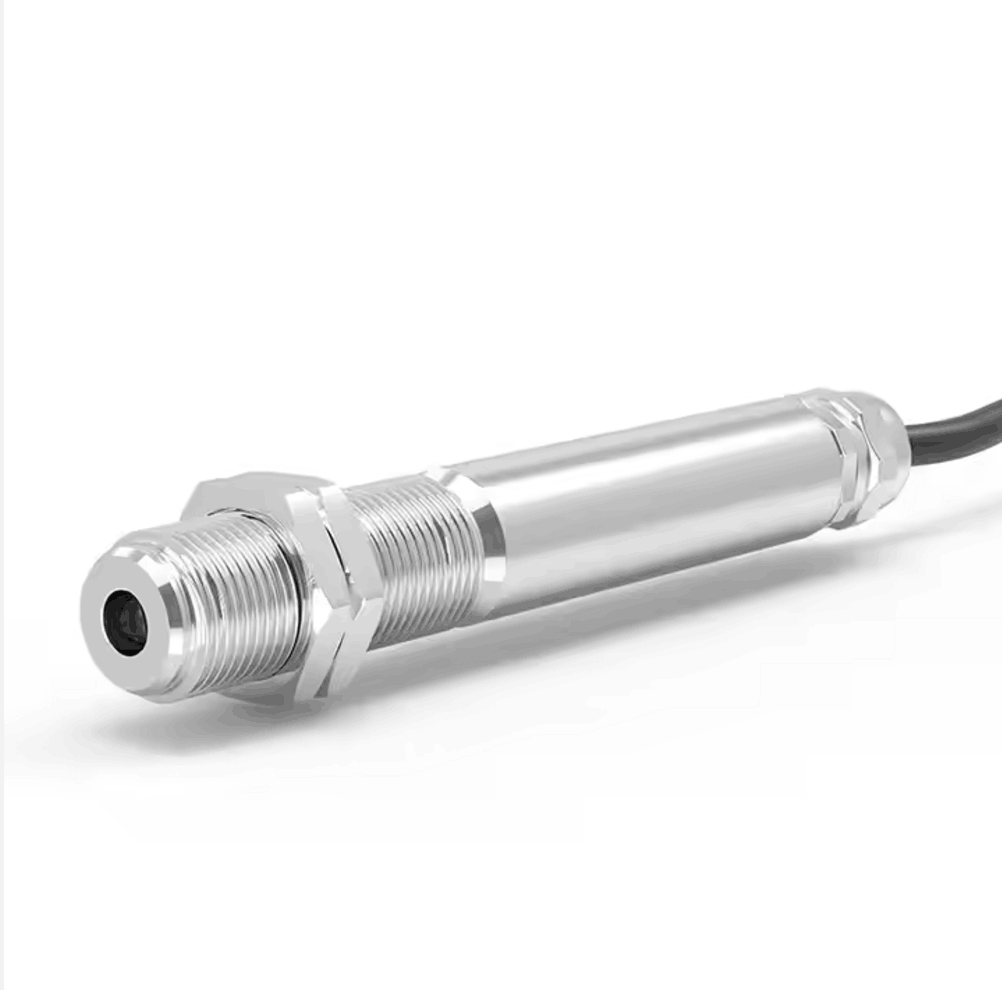
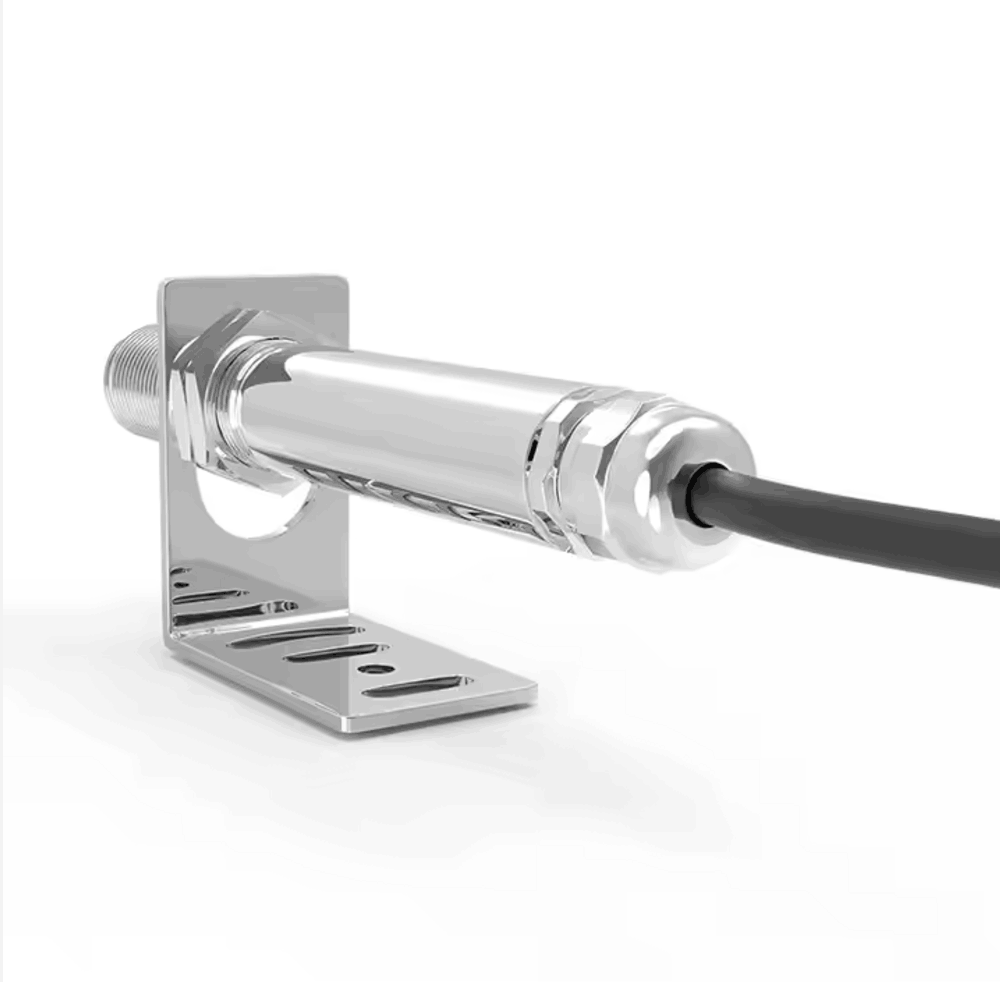
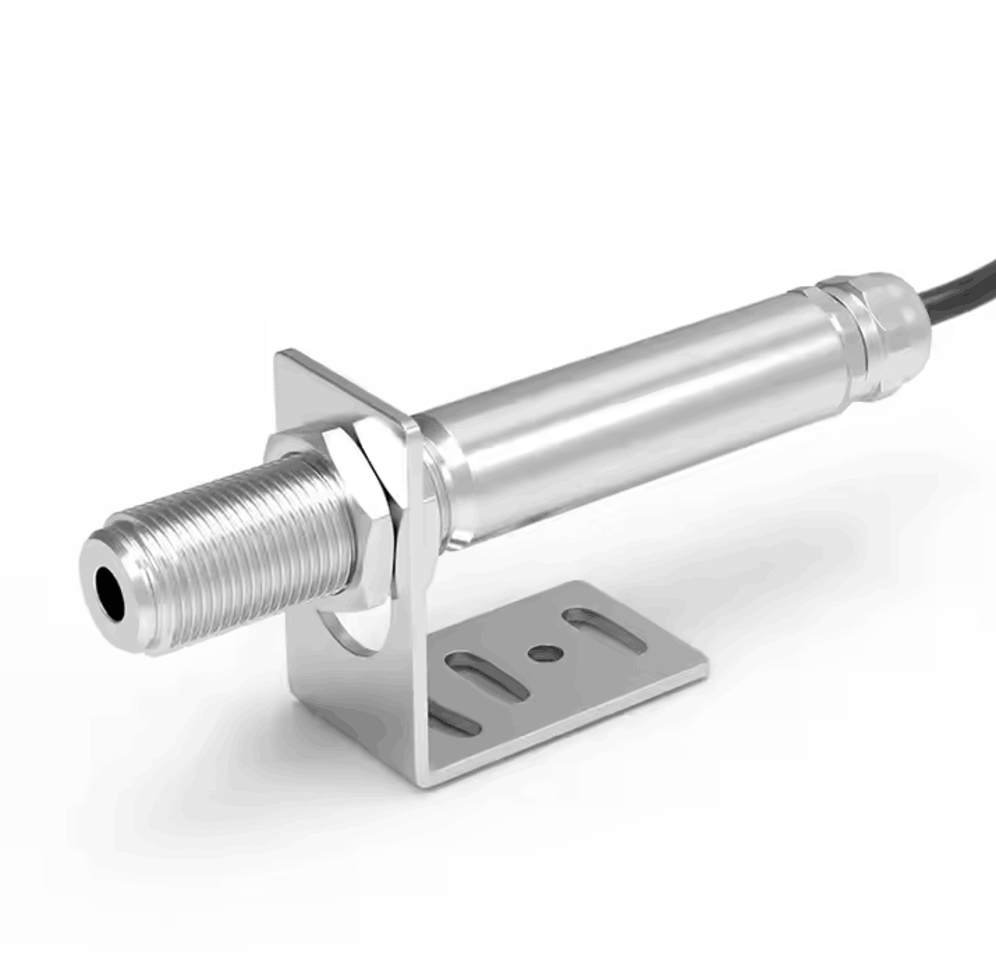
An infrared temperature sensor is an essential tool for measuring surface temperatures without the need for direct contact. These advanced sensors are widely used in industrial settings, offering precise, reliable, and non-invasive temperature measurements for a variety of applications. Whether you are monitoring machinery, electrical equipment, or manufacturing processes, infrared temperature sensors provide a safe and effective solution for temperature measurement.
Infrared temperature sensors function by detecting the infrared radiation emitted from an object. All objects, regardless of their temperature, emit infrared radiation. The sensor then captures this radiation and converts it into an electrical signal, which is correlated to the temperature of the object's surface. This process eliminates the need for physical contact, allowing for continuous and non-intrusive monitoring.
One key aspect of infrared temperature sensors is their ability to measure temperatures from a distance. The distance from the object and the field of view (FOV) of the sensor play a significant role in determining the size of the measurement area, also known as the spot size. The wider the FOV, the larger the area the sensor can measure.
Spot Size and Distance
The spot size refers to the area of the surface that the sensor is measuring. It is influenced by both the sensor’s FOV and the distance between the sensor and the object. Understanding these parameters is essential when selecting the right infrared temperature sensor for your application.
Spectral Response
Different infrared temperature sensors have different spectral response ranges. Most general-purpose sensors operate within the ~7 to 14-micron range, which works well for most surfaces. However, reflective metal surfaces often require a sensor with a shorter spectral response, around ~2 microns, to obtain accurate readings.
Outputs for Data Integration
Infrared temperature sensors offer a variety of output options, such as 4-20mA, 0-5/10V DC, thermocouples, USB, and RS485. These outputs make it easier to integrate the sensors with data collection systems, PLCs (Programmable Logic Controllers), and monitoring systems, ensuring real-time temperature tracking and analysis.
Power Supply
Infrared temperature sensors are typically powered by DC voltages. However, there is also a category of self-powered infrared thermocouples, which do not require an external power source. These self-powered models are ideal for applications where power availability is limited or where continuous operation is critical.
Advanced Features for Industrial Applications
Many modern infrared temperature sensors come equipped with additional features to enhance their functionality. These include integral displays for real-time monitoring, data logging for tracking temperature trends over time, and alarm systems that notify users when temperature thresholds are exceeded.
Non-Contact Measurement: Infrared sensors provide a non-intrusive way to measure temperatures, which is particularly valuable when dealing with hazardous materials, moving parts, or high-temperature surfaces that may be unsafe to touch.
Fast Response Time: Many infrared temperature sensors offer rapid response times, allowing for quick temperature readings, which is crucial for monitoring critical systems and preventing potential failures.
Precision and Accuracy: These sensors deliver highly accurate measurements, making them an excellent choice for applications where precision is vital, such as in industrial equipment monitoring or process control.
Versatility: Infrared temperature sensors are used in a broad range of industries, including manufacturing, electrical, automotive, HVAC, and food processing. Their versatility in terms of measurement range, size, and output options ensures they meet the needs of diverse applications.
Infrared temperature sensors are used in various industries, including:
Manufacturing: Monitoring the temperature of machinery, electrical components, and production processes to ensure optimal performance.
Electrical Equipment: Detecting overheating in circuits and components to prevent electrical failures.
HVAC Systems: Measuring air and surface temperatures to optimize heating, ventilation, and air conditioning systems.
Automotive: Monitoring engine and exhaust temperatures for better performance and safety.
In conclusion, an infrared temperature sensor is an indispensable tool for industrial temperature monitoring. By measuring infrared radiation emitted from objects, these sensors provide a non-contact, precise, and reliable method for assessing surface temperatures. Whether you need to monitor machinery, electrical systems, or industrial processes, an infrared temperature sensor is an excellent choice for accurate and efficient temperature measurement.
Understanding how infrared temperature sensors work and their key features will help you make an informed decision when selecting the right sensor for your specific needs. Consider factors such as spectral response, spot size, output options, and power requirements to ensure you choose the best infrared temperature sensor for your application.
If you want to ask anything just fill in the form below and send us. We will contact you within 12 hours.