D.O RFID TAG company is a RFID card manufacturers & factory, professional RFID card manufacturers , NFC tags suppliers and RFID Wristband company in shenzhen china for 15 years — Source Quality Products and Enjoy Efficient Service.
As washable RFID tags become more widely used in clothing and textiles, concerns about their safety, both in terms of health and privacy, have been raised. It is essential to address these concerns with accurate information and scientific facts to help users make informed decisions. This article explores the safety of RFID tags in clothing, focusing on health and privacy aspects.
RFID tags operate using radio frequency (RF) energy, which is a form of non - ionizing radiation. Unlike ionizing radiation (such as X - rays), non - ionizing radiation does not have enough energy to damage DNA or cause cancer. The RF energy emitted by RFID tags is very low, much lower than that of other common devices like cell phones and Wi - Fi routers.
Scientific Evidence: Numerous studies have been conducted on the health effects of low - level RF radiation. The World Health Organization (WHO) has stated that there is no conclusive evidence that exposure to low - level RF radiation causes adverse health effects. The RF energy from RFID tags is well below the safety limits set by regulatory bodies such as the Federal Communications Commission (FCC) in the United States and the International Commission on Non - Ionizing Radiation Protection (ICNIRP) globally.
Washable RFID tags are made from materials that are safe for contact with the skin. Common materials include PPS (Polyphenylene Sulfide), silicone, and fabric - like materials, which are all non - toxic and hypoallergenic. These materials are tested to ensure that they do not cause skin irritation or other allergic reactions.
Regulatory Compliance: RFID tag manufacturers must comply with strict safety standards for materials used in products that come into contact with the skin. For example, in the European Union, these materials must meet the requirements of REACH (Registration, Evaluation, Authorization, and Restriction of Chemicals), which ensures that they are safe for human health and the environment.
RFID tags used in clothing typically store only a unique identifier (a serial number) that is used for inventory tracking. They do not store personal information such as names, addresses, or credit card details. The unique identifier is linked to a database that contains information about the item, such as its type, size, and location, but this database is secured and only accessible to authorized personnel.
The communication between RFID tags and readers is encrypted in many cases, preventing unauthorized access to the data. This ensures that the unique identifier cannot be intercepted and used to track individuals without their knowledge.
Anti - Skimming Measures: Some RFID tags are equipped with anti - skimming technology, which prevents them from being read by unauthorized readers. This adds an extra layer of security to protect privacy.
Control Over RFID Tags
Consumers have control over the RFID tags in their clothing. If they have concerns about privacy, they can choose to remove the tags (if possible) or deactivate them. However, it is important to note that deactivating the tag may affect the functionality of the item, such as inventory tracking in a retail setting.
In conclusion, washable RFID tags in clothing are safe for both health and privacy. The RF energy they emit is at a very low level and does not pose a risk to human health, as supported by scientific evidence and regulatory standards. The materials used in the tags are non - toxic and hypoallergenic, ensuring safe contact with the skin. In terms of privacy, RFID tags store only unique identifiers for inventory tracking, not personal information, and data transmission is often encrypted to prevent unauthorized access. With proper security measures in place, the use of washable RFID tags in clothing offers numerous benefits without compromising safety or privacy.
The Ultimate Guide to Washable RFID Tags on Clothes (2025)
How Many Washes Can a Washable RFID Tag Survive?
RFID vs. Barcode for Clothing Inventory: A Detailed Comparison
Top 5 Applications of Washable RFID Tags in 2025
Are RFID Tags in Clothing Safe? Privacy and Health Facts
Avian Monitoring RFID Microchip for Bird Tracking
More >>
Herpetology Research PIT Tag for Reptiles and Amphibians
More >>
Laboratory Rodent Identification RFID Microchip
More >>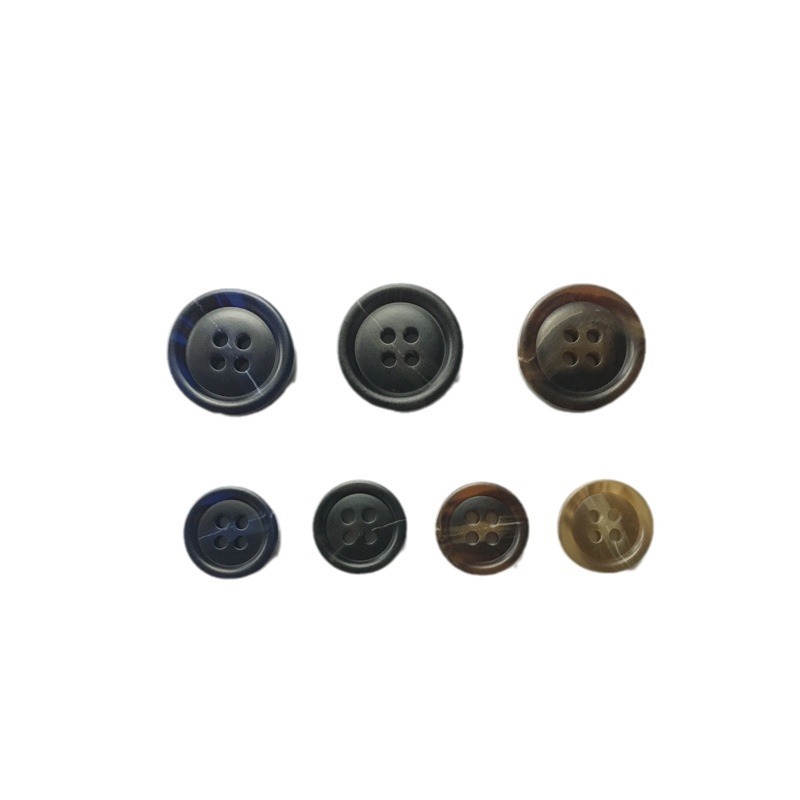
Durable NFC Button Tag with NTAG213 215 216. Ideal for access control, checkpoints, maintenance tracking, and authentication systems.
More >>
379.png)