D.O RFID TAG company is a RFID card manufacturers & factory, professional RFID card manufacturers , NFC tags suppliers and RFID Wristband company in shenzhen china for 15 years — Source Quality Products and Enjoy Efficient Service.
Washable RFID tags have emerged as a game - changing technology in various industries, offering efficient and reliable tracking solutions for clothing and textile items. As we move into 2025, their applications continue to expand, providing innovative ways to streamline operations, reduce costs, and improve customer satisfaction. This article highlights the top 5 applications of washable RFID tags in 2025.
Hotels deal with a massive volume of linens, including bed sheets, towels, and tablecloths, on a daily basis. Managing these items efficiently is crucial for maintaining guest satisfaction and reducing operational costs. Washable RFID tags have revolutionized hotel linen management in 2025.
Pain Point: Traditional linen management often results in high loss rates (up to 25% annually) and inefficiencies in tracking. Hotels struggle to keep track of which linens are clean, dirty, or in need of replacement.
Solution: By attaching washable RFID tags to each linen item, hotels can track their entire lifecycle. RFID readers installed at various points, such as laundry facilities, storage rooms, and guest rooms, provide real - time data on the location and status of each linen. This enables automatic sorting of clean and dirty linens, reduces loss by up to 70%, and ensures that guests always have access to fresh, clean linens.
Success Story: A luxury resort chain implemented washable RFID tags for its linen inventory in 2024. Within six months, the linen loss rate dropped from 22% to 6%, saving the chain over 0,000 in replacement costs. The time spent on inventory management was also reduced by 60%, allowing staff to focus on providing better guest services.
In healthcare facilities, the proper management of medical textiles, such as patient gowns, surgical drapes, and bed linens, is essential for maintaining hygiene and preventing the spread of infections. Washable RFID tags play a vital role in this area in 2025.
Pain Point: Ensuring that medical textiles are properly laundered, sterilized, and tracked is a major challenge. There is a risk of using unsterilized items, which can lead to patient infections. Additionally, tracking the movement of textiles between departments can be time - consuming and error - prone.
Solution: Washable RFID tags are attached to each medical textile item. The tags store information such as the number of wash cycles, sterilization dates, and the department it belongs to. RFID readers at laundry facilities, storage areas, and patient rooms allow staff to quickly check the status of each item. This ensures that only properly sterilized textiles are used, reducing the risk of infections. It also simplifies the tracking of textiles, making it easier to manage inventory and prevent losses.
Success Story: A large hospital in a major city adopted washable RFID tags for its medical textiles in 2023. The hospital reported a 40% reduction in the number of infections related to medical textiles. The time spent on inventory checks decreased by 75%, and the loss of medical textiles was reduced by 65%.
Large enterprises with a large workforce, such as manufacturing plants, construction companies, and logistics firms, face challenges in managing their employees' uniforms. Washable RFID tags offer an effective solution for uniform management in 2025.
Pain Point: Keeping track of uniforms, ensuring that employees have the right sizes, and monitoring the condition of the uniforms can be a logistical nightmare. Uniforms are often lost, misplaced, or damaged, leading to increased costs and inefficiencies.
Solution: Each uniform is fitted with a washable RFID tag that contains information about the employee, size, and issue date. RFID readers at the company's entrance, laundry facilities, and storage rooms track the movement of the uniforms. This allows the company to know exactly which employee has which uniform, when it needs to be replaced, and if it has been laundered properly.
Success Story: A manufacturing company with over 5,000 employees implemented washable RFID tags for its uniforms in 2024. The company saw a 50% reduction in uniform loss, and the time spent on uniform management decreased by 80%. Employees also reported higher satisfaction as they received the correct size uniforms more quickly.
The retail industry, especially the high - end apparel segment, can benefit greatly from washable RFID tags in 2025. These tags provide accurate inventory tracking and help in combating counterfeiting.
Pain Point: High - end apparel retailers struggle with inventory accuracy, especially during peak shopping seasons. Counterfeiting is also a major issue, as fake products can damage the brand's reputation and result in lost sales.
Solution: Washable RFID tags are sewn into high - end garments, allowing retailers to track each item from the warehouse to the store shelf. RFID readers at the store entrances and exits provide real - time inventory updates, ensuring that the stock levels are accurate. The tags also contain unique identifiers that can be verified by consumers using a smartphone app, helping to authenticate the product and combat counterfeiting.
Success Story: A luxury fashion brand introduced washable RFID tags in its 2024 collection. The brand reported a 99.5% inventory accuracy rate, compared to 92% before using RFID. The number of counterfeit products sold under the brand's name decreased by 80%, and customer trust in the brand increased significantly.
The sports equipment and apparel rental industry is growing rapidly, and washable RFID tags are making rental operations more efficient in 2025.
Pain Point: Managing the rental and return of sports equipment and apparel can be complex, especially during peak seasons. It is easy to lose track of items, leading to disputes with customers and financial losses.
Solution: Each rental item, such as ski suits, wetsuits, and sports jerseys, is equipped with a washable RFID tag. When a customer rents an item, the tag is scanned to record the rental details. Upon return, the tag is scanned again to update the inventory. This simplifies the rental process, reduces the risk of lost items, and allows rental companies to track the usage and condition of each item.
Success Story: A sports equipment rental company that operates in a popular ski resort implemented washable RFID tags in 2024. The company's rental processing time decreased by 50%, and the number of lost items dropped by 70%. Customer satisfaction also improved, as the rental and return process became more streamlined.
The Ultimate Guide to Washable RFID Tags on Clothes (2025)
How Many Washes Can a Washable RFID Tag Survive?
RFID vs. Barcode for Clothing Inventory: A Detailed Comparison
Top 5 Applications of Washable RFID Tags in 2025
Are RFID Tags in Clothing Safe? Privacy and Health Facts
Avian Monitoring RFID Microchip for Bird Tracking
More >>
Herpetology Research PIT Tag for Reptiles and Amphibians
More >>
Laboratory Rodent Identification RFID Microchip
More >>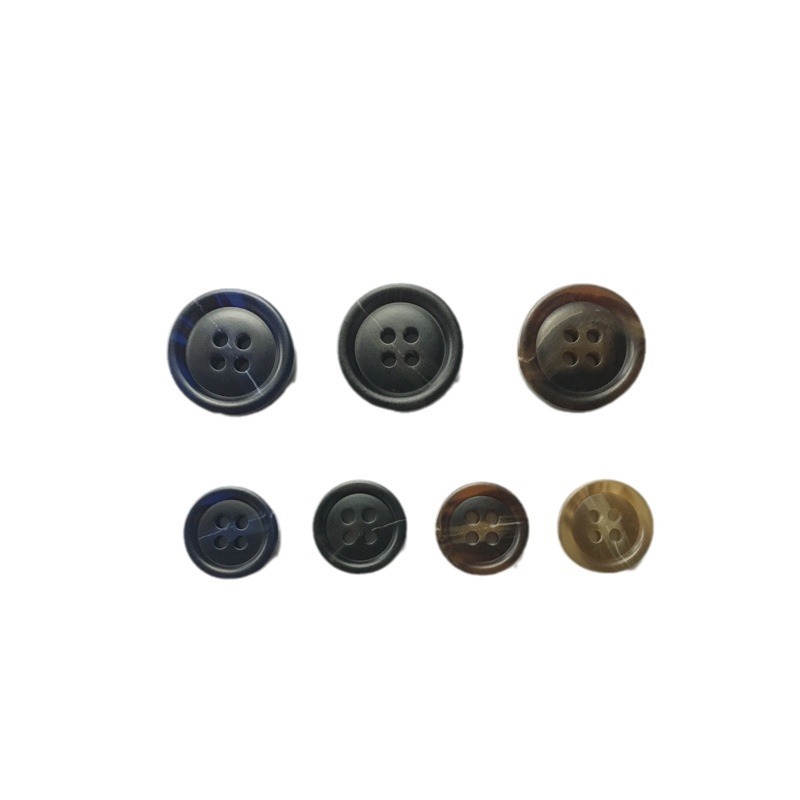
Durable NFC Button Tag with NTAG213 215 216. Ideal for access control, checkpoints, maintenance tracking, and authentication systems.
More >>
379.png)